电动汽车充电行业职位
Rejobs Editorial Team 撰写 · 最后更新于 3月 16, 2026
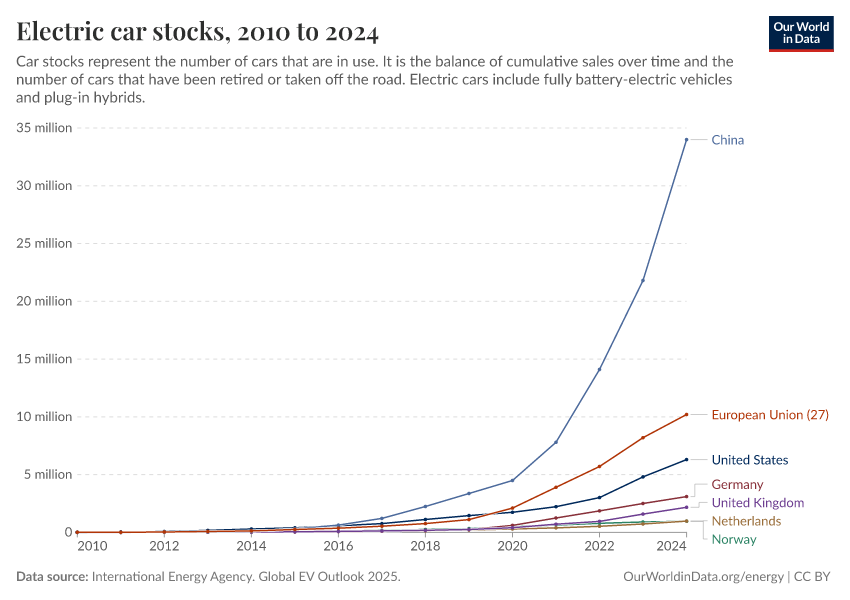
Europe's EV charging infrastructure sector employs 80,000 people across 3,500 companies and is projected to reach 162,000 by 2030 and 222,000 by 2035, creating roughly 15,000 new positions each year. An independent study by P3, commissioned by industry alliance ChargeUp Europe, estimates the sector will add EUR 92 billion to the European economy over the next decade. Globally, more than 5 million public chargers are now installed - yet every credible forecast says this is far short of what is needed. The gap between the electric vehicles already on the road and the infrastructure to charge them is the defining feature of this job market: a buildout at industrial scale, racing to keep pace with transportation electrification that is now irreversible.

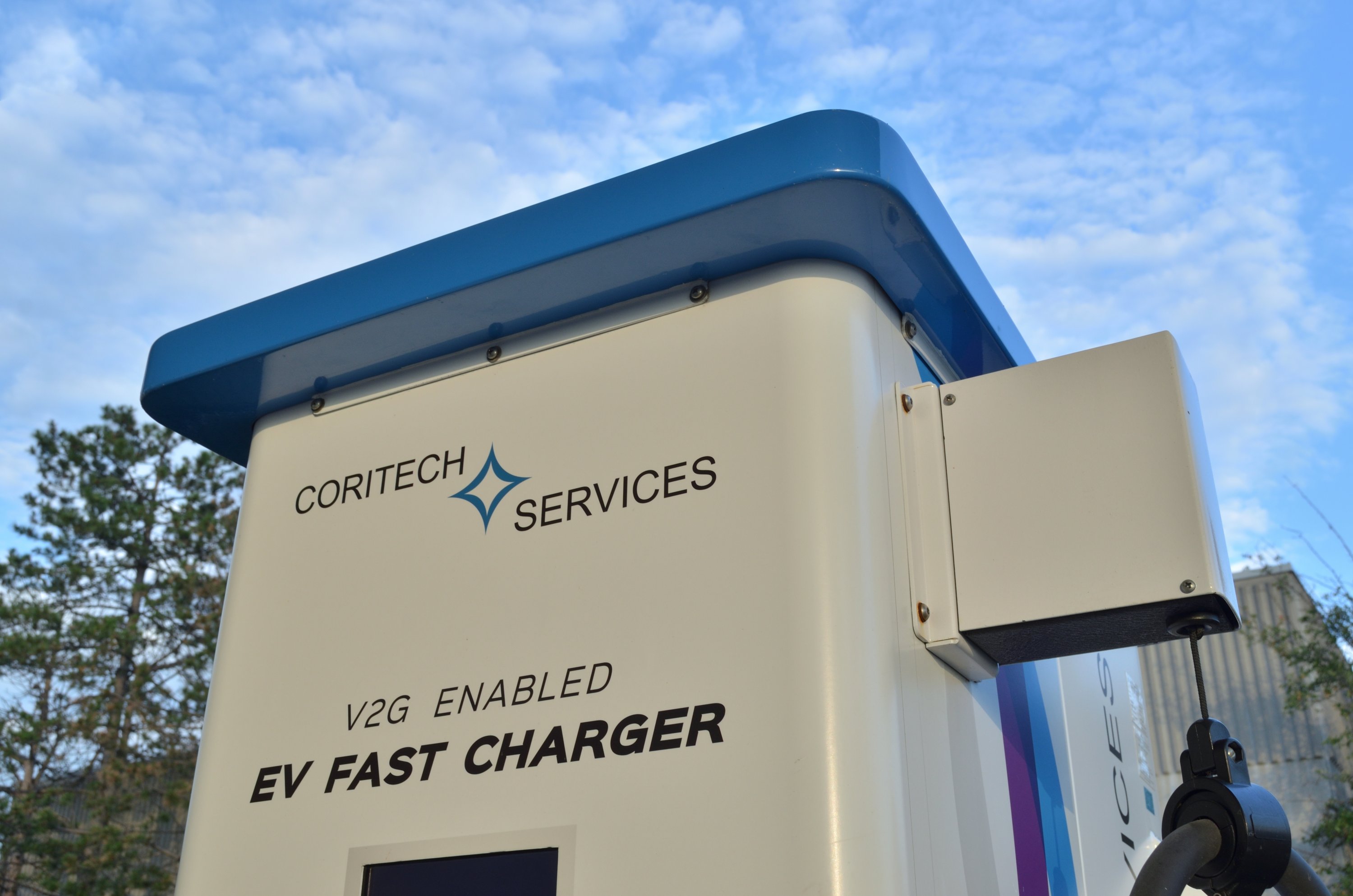
An electric vehicle charging at a DC fast-charging station. Source: Michael Fousert / Unsplash
The infrastructure gap - and what it means for careers
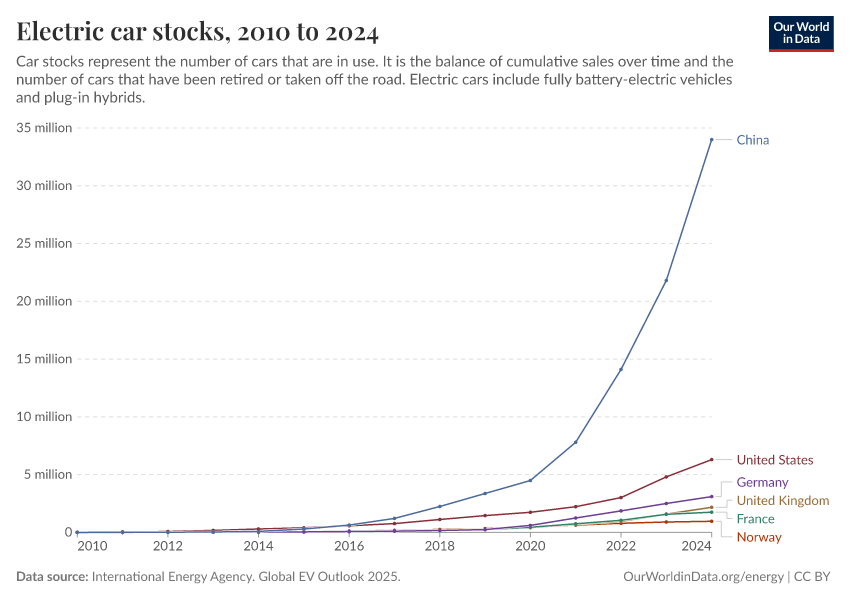
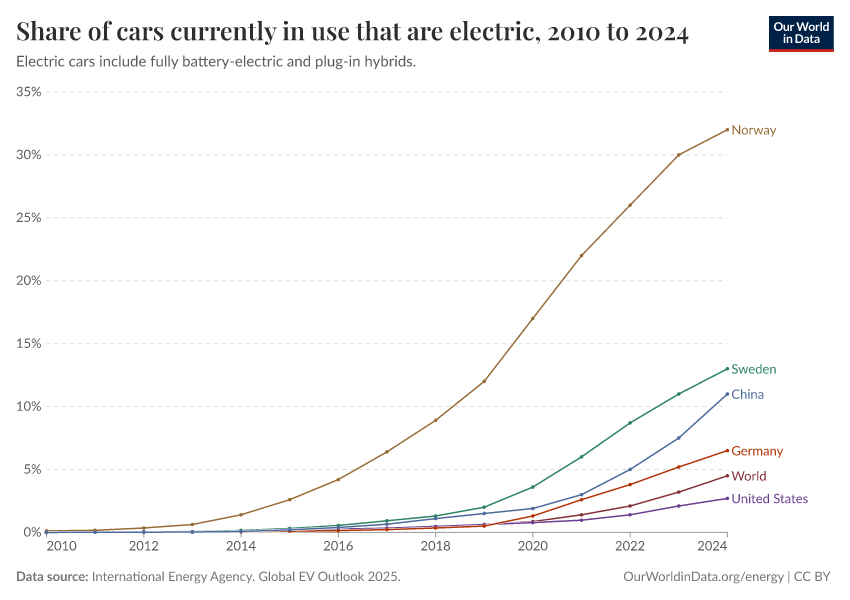
The numbers frame the opportunity. There are 58 million electric cars on roads worldwide, and one in four new cars sold globally in 2025 will be electric. In Europe, battery-electric vehicles reached 19% of new car registrations in 2025 - Norway at 96%, the Netherlands at 40%, Germany bouncing back to 20%. The EU's Alternative Fuels Infrastructure Regulation (AFIR), binding since April 2024, mandates fast charging stations every 60 km along core TEN-T highways, with minimum power requirements escalating through 2030.

Share of new cars sold that are electric. Norway leads at over 90%, followed by the Netherlands, Sweden, and China. Explore the interactive version. Source: Our World in Data / CC BY 4.0
But charger deployment lags vehicle adoption. Europe currently has roughly 1 million public charge points and needs to more than double that by 2030. Grid connection timelines in Europe average two years - compared to three months in China. Each public fast charger represents an investment of EUR 30,000–50,000 with a 40-year operational lifespan. What this means for job seekers: the demand for people who can plan, permit, install, connect, maintain, and optimise charging infrastructure is structural and long-term, not cyclical.
AC, DC, and ultra-fast - three workplaces, three skill sets
EV charging is not one type of work. The technology determines the workplace, the qualifications, and the career path.
AC charging (up to 22 kW) is the workhorse. These are the wall-mounted units in homes, workplaces, car parks, and on-street lamppost chargers. Installation is straightforward electrical engineering - a qualified electrician with an EV-specific credential can fit one in a few hours. The work looks like domestic or light commercial electrical installation: site survey, load assessment, cable routing, earthing arrangements, and commissioning. The volume is enormous: the Netherlands alone has over 180,000 public charge points, the majority AC. For electricians, this is the fastest entry point into the sector.
DC fast charging (50–150 kW) is where the complexity steps up. These chargers require dedicated three-phase supply, often a transformer upgrade, and sit within larger electrical infrastructure. Installation involves civil works (foundations, cable trenches), medium-voltage connections, and commissioning of power electronics systems. Maintaining DC chargers requires competence in both electrical and software diagnostics - these are networked devices running firmware, connected via cellular IoT to central management platforms.
Ultra-fast charging (150–400+ kW) is infrastructure engineering. Sites require high-voltage grid connections, battery buffer storage in some cases, and complex electrical design. EnBW's planned fast-charging park at Kamener Kreuz interchange in Germany or Tesla's Supercharger hubs with Megapack battery storage are closer to substation construction than to installing a wall box. These projects employ civil engineers, high-voltage specialists, and project managers overseeing multi-million-euro builds. The grid integration challenge - connecting megawatt-scale loads to distribution networks that were not designed for them - is where charging overlaps with smart grid and energy storage sectors.
Careers across the charging value chain
Planning and site development
Before a charger exists, someone has to find the location, secure the rights, and get the power. Site acquisition managers evaluate potential locations against commercial criteria - footfall, grid capacity, proximity to highways, planning constraints - then negotiate leases with landowners. Grid connection engineers manage applications to distribution network operators, specify electrical capacity requirements, and coordinate last-mile infrastructure upgrades. Planning and permitting specialists navigate local authority approvals, environmental assessments, and the varied regulatory landscapes across European markets.
These are the roles that turn a charging strategy into a physical network, and they require a combination of commercial awareness and technical literacy. In 2025, the sector shifted from growth-mode hiring to delivery-focused recruitment, with Country Managers and project delivery professionals among the most sought-after hires.
Installation and commissioning
The largest single employment category. An ICCT study projects over 78,000 of the 160,000 EV charging jobs in the US by 2032 will be in electrical installation, maintenance, and repair. The work ranges from residential wall box installation (one electrician, half a day) to multi-charger hub construction (civil works, trenching, transformer installation, and commissioning over weeks).
EV charging installation technicians perform site surveys, install mounting hardware, run cabling, configure chargers, and commission the system - testing ground fault protection, verifying communication with the backend platform, and handing over to the operator. Commissioning engineers bring larger DC and ultra-fast sites online, testing protection relays, verifying power output curves, and ensuring compliance with grid connection agreements.

Technicians installing a DC fast charger at an outdoor site. Source: Elite Power Group / Pexels
Field service and maintenance
Once chargers are live, they need to work. Field service engineers travel to charger locations across a region, troubleshooting faults that range from software glitches and network engineering issues to failed contactors, damaged cables, and screen replacements. The toolkit includes multimeters, power analysers, EV charging test sets, and cellular signal equipment - because a charger that loses its data connection cannot authenticate users or process payments. Over 50% of energy companies report critical hiring bottlenecks for applied technical roles, and EV charging technicians are among the hardest to find.
Network operations
Charging networks are monitored and managed remotely from centralised operations centres. NOC engineers track charger uptime, diagnose faults, push firmware updates, and escalate hardware issues to field teams. Dispatch and energy management specialists optimise charging schedules to minimise grid impact and electricity costs - particularly important for depot charging, where dozens of vehicles charge overnight and power demand must be shaped to avoid peak tariffs. This work sits at the intersection of power systems and software operations.
Software and platform development
EV charging is a technology sector as much as an energy one. Every public charger communicates with a Central System Management Software (CSMS) via OCPP - the Open Charge Point Protocol, comparable to how cell phones communicate with cell networks. OCPP 2.1, released in 2025, added support for bidirectional power transfer (vehicle-to-grid) and distributed energy resource control.
Backend software engineers build the microservices for billing, analytics, firmware-over-the-air updates, and roaming - the inter-network charging that lets a Fastned customer charge at an Ionity station. Data engineers work on energy optimisation algorithms, real-time monitoring dashboards, and predictive maintenance models. Cybersecurity specialists handle TLS encryption, payment security (PCI-DSS compliance), and protection against attack vectors unique to connected infrastructure.
Hardware engineering
Power electronics engineers design the core of DC chargers: AC-to-DC conversion stages, power factor correction circuits, and thermal management systems. This is a persistently hard-to-fill specialisation. As chargers move toward 400 kW and bidirectional capability, the engineering complexity increases substantially. Embedded firmware engineers program the charger's onboard controllers, handling everything from user interface logic to safety interlocks and communication protocols. Hardware R&D roles sit primarily with manufacturers - Alpitronic, Kempower, ABB E-mobility, Delta Electronics - and command premium salaries.
Fleet electrification
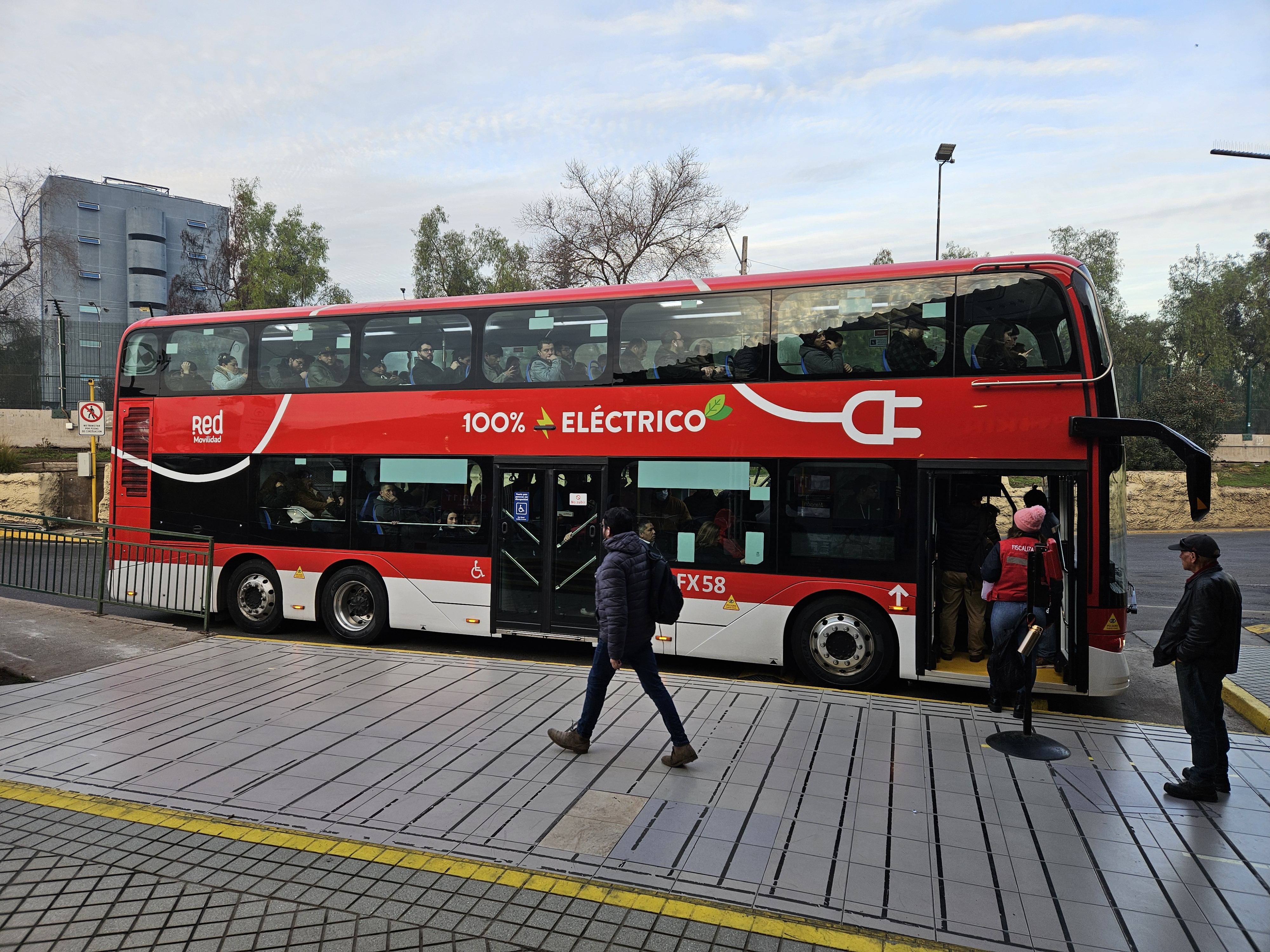
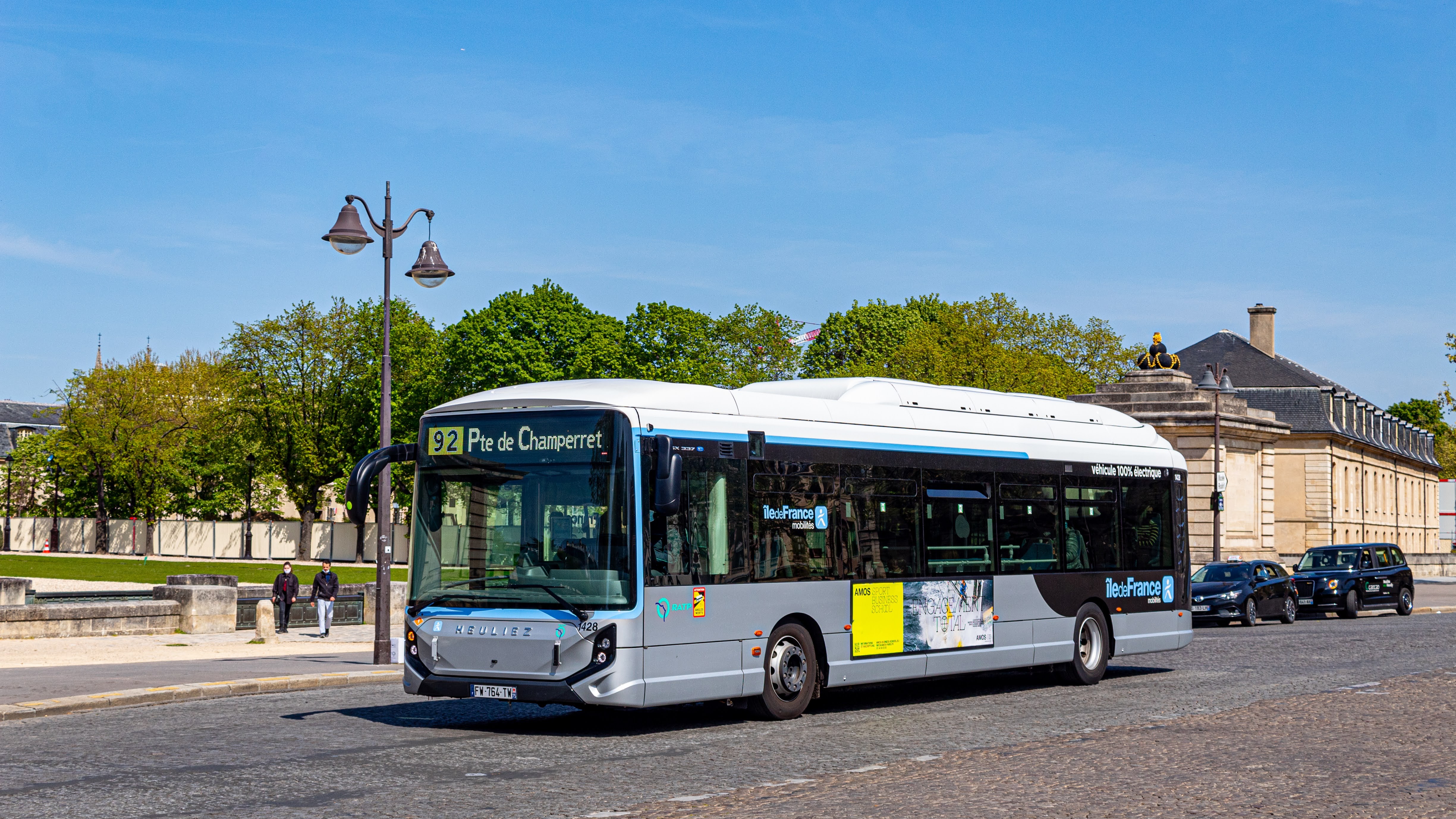
Commercial fleet management is a distinct sub-sector. Fleet electrification managers plan the transition of bus, truck, and van fleets from diesel to electric, sizing depot charging infrastructure, modelling energy demand, and negotiating grid connections for high-power installations. Charge management engineers build and maintain smart charging systems that distribute available power across dozens of vehicles based on departure schedules, battery state-of-charge, and electricity tariffs. Companies like Zenobe, Geotab, and The Mobility House specialise in this space.
Salary overview
| Role | Germany (EUR) | UK (GBP) | Netherlands (EUR) |
|---|---|---|---|
| EV charging installation technician | 39,000–68,000 | 30,000–45,000 | 50,000–82,000 |
| Electrical design engineer | 53,000–84,000 | 31,000–55,000 | 52,000–81,000 |
| Power electronics engineer | 55,000–84,000 | 36,000–68,000 | - |
| Software engineer (charging platforms) | 74,000–112,000 | 70,000–110,000 | 73,000–110,000 |
| Network operations manager | 60,000–100,000 | 41,000–74,000 | 65,000–95,000 |
| Project manager (EV charging) | 58,000–98,000 | 55,000–88,000 | - |
Annual gross salaries. Software engineer figures reflect mid-level to senior (Ravio P3/M3 levels). Installation technician ranges include entry to experienced. EV-specific roles may command a 10–25% premium over general electrical engineering equivalents due to niche expertise. Approximate conversion: 1 GBP ~ 1.17 EUR. Sources: Glassdoor, SalaryExpert, Ravio, PayScale (2025).
UK renewables professionals averaged GBP 82,808 in 2025 - a 13.2% year-on-year increase - and renewable energy salaries now sit 40% above the global market rate.
Working conditions
EV charging work splits into two worlds: the field and the screen.
Field roles are physical, mobile, and weather-exposed. Installation technicians and service engineers drive to sites daily, working outdoors in all conditions. The work involves lifting components up to 18 kg, cable routing in confined spaces, and extended periods on feet. DC and ultra-fast charger installations are construction sites - hard hats, safety boots, and high-visibility clothing. High-voltage DC systems (400–1,000V) demand strict safety protocols: Lockout/Tagout procedures, arc flash protection, and Job Hazard Analysis before each task. Charger installations at petrol station forecourts require CompEx Ex07–Ex08 certification for working in explosive atmosphere zones. Field service roles involve after-hours emergency calls - a broken charger at a motorway service station cannot wait until Monday.
Office and remote roles are knowledge-intensive. Software engineers, data analysts, and NOC staff work standard hours in most cases, though network operations runs 24/7 on shift rotations. Platform development roles at companies like Monta, ev.energy, and Octopus Electroverse are often fully remote, with distributed teams spanning multiple countries. Commercial roles - site acquisition, business development, partnerships - involve significant travel for site visits, landlord meetings, and planning consultations.
Diversity remains a challenge. Women represent approximately 25% of the energy workforce and a smaller fraction of the field installation roles where EV charging is growing fastest. Only about 3% of automotive technicians are currently proficient in EV maintenance, and fewer than 10% are qualified for high-voltage work - a bottleneck that disproportionately affects transition pathways for workers from adjacent industries. Initiatives like ChargeUp Europe's Women in eMobility and ChargerHelp!'s all-women EV charging technician courses are addressing the gap, but progress is slow.

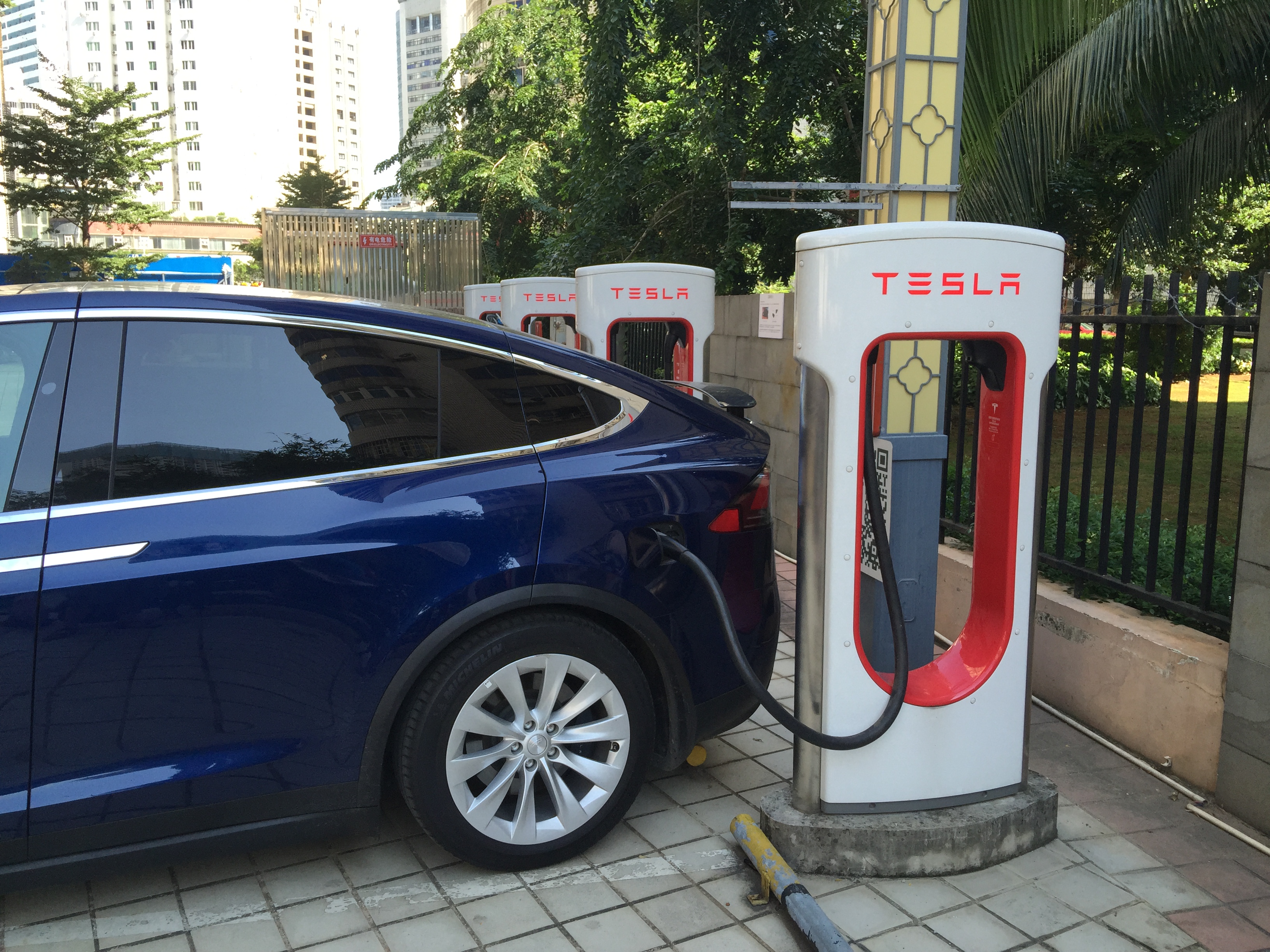
Tesla Supercharger and Fastned fast-charging stations at Alpincenter Wittenburg, Germany. Source: Migebert / CC BY-SA 3.0
Getting in: transitions and qualifications
The most common entry point is from the electrical trades. In the UK, a qualified electrician can add EV-specific certification - City & Guilds 2921 or equivalent - in a two-day course covering charging modes, connectors, site surveys, load assessment, and earthing arrangements. Prerequisites: Level 3 electrotechnical qualification, 18th Edition Wiring Regulations (BS 7671), and Competent Person Scheme membership (NICEIC, NAPIT, or ELECSA). For government-funded work, OZEV authorised installer status is required. In the US, the EVITP certification ($275, approximately 20 hours) is legally required for NEVI-funded installations.
From telecoms and network engineering: OCPP - the protocol that manages charger-to-cloud communication - is directly comparable to telecoms network management. Network monitoring, fault management, 4G/5G connectivity, and systems integration skills transfer almost directly to NOC and smart charging roles.
From software engineering: Backend developers, cloud engineers, and DevOps professionals find immediate applicability in CSMS development, OCPP implementation, API integration, and data analytics for charging networks. Python, Kubernetes, microservices architecture, and real-time systems experience are directly relevant.
From oil and gas: Commissioning engineers, HSE professionals, and project managers bring transferable skills in high-voltage systems, large-scale project delivery, and safety management. The shift to EV charging is less about retraining and more about domain-specific knowledge.
From automotive trades: Mechanics and vehicle technicians understand diagnostics and electrical systems, but the gap to high-voltage EV work is significant. Targeted training bridging 12V vehicle systems to 400V+ charging infrastructure is needed, and programmes remain underdeveloped.
Key employers
Charge point operators
- Ionity - Germany, ~5,000 charging points across 24 European countries; JV of BMW, Ford, Hyundai, Mercedes-Benz, and VW Group with BlackRock; co-founded ChargeLeague with Fastned, Electra, and Atlante
- Fastned - Netherlands, 406 stations across 9 countries with distinctive solar-roofed design; targeting 1,000 stations by 2030; Euronext-listed
- Allego - Netherlands, 34,000+ charge points across 16 European countries; over 1,000 HPC stations; NYSE-listed (acquired by Meridiam)
- bp pulse - UK, 8,000+ charge points; EUR 1 billion JV with Iberdrola for 11,700 HPC stations across Spain and Portugal by 2030
- EnBW - Germany, 8,000+ fast-charging points; Germany's largest HPC network; building Europe's largest fast-charging park at Kamener Kreuz
- Tesla Supercharger - US, ~1,500 stations in Europe (75,000+ connectors globally); network open to non-Tesla vehicles; preparing Megacharger rollout
- TotalEnergies - France, ~80,000 charge points across Europe; strong urban on-street AC presence via Dutch and Belgian acquisitions
- Mer - Norway, 35,000+ charging points across the Nordics and UK; owned by Statkraft, Europe's largest renewable energy producer
Hardware manufacturers
- ABB E-mobility - Switzerland, 840,000+ chargers delivered across 85+ countries; 13 years in DC fast charging; ~1,100 employees in the EV division
- Alpitronic - Italy, maker of the Hypercharger, Europe's most widely deployed HPC charger; ~1,100 employees; family-owned
- Kempower - Finland, modular "satellite" charging architecture; ~830 employees; pioneering megawatt charging for heavy-duty vehicle electrification; Nasdaq Helsinki-listed
- Wallbox - Spain, pioneer in bidirectional (V2X) home charging with Quasar product; NYSE-listed; ~1,100 employees
- Delta Electronics - Taiwan, ultra-fast chargers up to 500 kW; Frost & Sullivan 2025 Europe Company of the Year for integrated energy solutions; 68,000 employees globally
- Schneider Electric - France, EVlink AC and DC chargers integrated into building and workplace electrical systems; ~160,000 employees globally
Software and platforms
- Monta - Denmark, managing 165,000+ commercial charging points; 231 employees across 47 nationalities; expanded to US in 2024
- Hubject - Germany, operates the world's largest eRoaming network connecting 1 million+ charging points across 70+ countries; founded by BMW, Bosch, Daimler, EnBW, innogy, and Siemens
- Octopus Electroverse - UK, reached 1 million connected public chargers globally in 2025; innovative "Plunge Pricing" discounts when renewable energy is abundant
- ev.energy - UK, smart charging algorithm optimising for lowest cost and lowest carbon; fully remote team across 12 countries; 101–250 employees
- The Mobility House - Germany, pioneer in vehicle-to-grid technology; ChargePilot platform manages 2,700+ fleet charging facilities; V2G partnership with Mercedes-Benz launched 2025
Fleet electrification
- Zenobe - UK, largest owner and operator of EV buses in the UK (~25% market share); 300+ employees with 70% year-on-year growth; supports 2,000+ electric vehicles across 120 depots
- Geotab - Canada, world leader in connected vehicle telematics; EV fleet assessment and charging optimisation across 300+ EV models; 3,000+ employees
- ChargePoint - US, world's largest charging network by managed ports; acquired has-to-be (Austria) and ViriCiti (Amsterdam) for European software capability; ~1,500 employees
Utilities with dedicated charging divisions
- Vattenfall InCharge - Sweden, manages ~75,000 charge points (1,000 MW capacity) across Sweden, Germany, and the Netherlands; 100% fossil-free energy; achieved Plug & Charge readiness in 2025
- Iberdrola - Spain, 10,000+ public charge points; EUR 1 billion JV with bp pulse for Iberian expansion; deploying 500 smart chargers at Airbus facilities
- Enel X Way - Italy, 118,000+ charge points across Europe; consolidated focus on European market after withdrawing from US in 2024
- E.ON Drive - Germany, 50,000+ installed charge points across 14 European countries; end-to-end service including employee home wallbox programmes
Adjacent sectors
EV charging infrastructure sits at the junction of energy, transportation, and technology. Grid integration specialists move fluidly between charging and smart grid roles. Power electronics engineers share fundamentals with energy storage and hydrogen fuel cell design. Fleet electrification overlaps with depot-scale battery storage, and V2G technology - where vehicles feed energy back to the grid - is blurring the line between charging infrastructure and distributed power systems. As e-mobility expands to include electric trucks, buses, construction equipment, and marine vessels, the charging infrastructure workforce will expand with it. The professionals who build this network now will have spent a decade solving problems that every market in the world will face next.