
Renewable energy jobs · Civil Engineering
-

-
-
 Flexible Full time Today
 -
-
 On-site Full time Today
 -

-

-
 Hybrid Internship Today
 -
Hybrid Internship Today
-
 On-site Full time Today
 -
 Remote Full time Today
 -
 On-site Full time Today
 -
 Edinburgh, Scotland, United Kingdom + 1 locationHybrid Full time Today
 -

Civil Engineering Jobs in Renewable Energy
Civil engineers in renewable energy design, build, and maintain the physical structures that anchor generation assets to the ground - turbine foundations, dam spillways, access roads, substation platforms, and the earthworks beneath solar arrays. The global renewable energy workforce reached 16.2 million in 2023, with construction and civil works accounting for the largest share of labour during the build-out phase of most projects.
What civil engineers actually do on renewable sites
The work varies dramatically by technology. On a wind farm, civil engineers design reinforced concrete gravity foundations or piled foundations that must withstand decades of cyclic loading from turbine rotor thrust. They plan crane hardstandings capable of supporting 1,000-tonne crawler cranes, grade access tracks across difficult terrain, and manage drainage systems that prevent erosion on exposed hillsides. On hydropower projects, the scope expands to dam engineering, tunnel boring for penstocks, and slope stability analysis around reservoirs. Geothermal energy sites present their own challenges - well pad construction in geologically active zones where ground conditions change within metres.
For utility-scale solar, civil engineering may seem straightforward, but large sites require grading across hundreds of hectares, pile-driving thousands of steel posts, and designing stormwater management systems that satisfy environmental permits. Substation civil works - concrete foundations, cable trenching, fencing, and fire walls - are common across all technologies.
Who hires and where
Employers range from large utilities and developers to specialist engineering consultancies. Iberdrola Renewables, SSE Renewables, and Enel recruit civil engineers for projects spanning onshore wind, offshore wind, and solar across Europe and beyond. Consultancies such as Cundall and Ulteig offer roles where engineers work across multiple technologies and clients simultaneously. Infrastructure contractors like Seaway7 focus on offshore cable routes and marine civil works.
Geographically, Berlin, Hamburg, Aberdeen, Glasgow, Montreal, and Dublin concentrate the most civil engineering openings in renewables. The UK alone plans to nearly double its onshore wind capacity from 16 GW to 27-29 GW by 2030, a programme the government estimates will generate around 45,000 new jobs in manufacturing, installation, and related services.
In-demand roles and skills
The most common titles are Civil Engineer, Senior Civil Engineer, Civil Project Engineer, and Civil Construction Supervisor. Hydraulic Engineer and Civil Quality Engineer appear frequently in hydro and large infrastructure contexts. Graduate Civil Engineer positions offer entry points for those transitioning from conventional construction into renewables.
What distinguishes renewable energy civil engineering from conventional infrastructure is the interface with other disciplines. A wind farm civil engineer must coordinate with electrical engineers on cable routing, with geotechnical specialists on foundation design, and with environmental consultants on habitat mitigation. Proficiency in CAD and geospatial analysis tools is increasingly expected alongside traditional structural calculation skills.
Where the field is heading
The EU installed a record 78 GW of new wind and solar capacity in 2024 and plans to build 22 GW of wind farms annually through 2030. Each gigawatt of offshore wind requires roughly 1,500-2,000 construction workers at peak, with civil engineers overseeing foundation installation, scour protection, and onshore substation works. Meanwhile, 68% of renewable energy employers cite talent shortages as their biggest constraint on growth. For civil engineers willing to work on-site in remote or offshore locations, that shortage translates directly into strong demand and negotiating power on compensation.
Last updated on Apr 4, 2026 | Report an issue
Get job alerts
Get alerts for Civil Engineering jobs
Join Talent Pool
Let clean energy employers find you
Featured jobs





Renewable energy blog posts
-

Renewable Energy Forecast for 2030
By 2030, renewables are poised to supply nearly half of global electricity, with solar and wind leading this explosive expansion. In this data-driven piece, we explore job creation forecasts, supply chain bottlenecks, and policy hurdles. -

Fastest Growing Renewable Energy Sector: Data and Trends
In 2023, solar photovoltaics surged by 32.59%, officially making it the fastest-growing renewable energy source worldwide. Yet offshore wind, which soared by 57.87% in 2021, remains a formidable competitor in total electricity output due to its high capacity factor. This concise overview highlights how policy incentives, cost reductions, and manufacturing advances are propelling solar to the forefront of the global energy transition. -
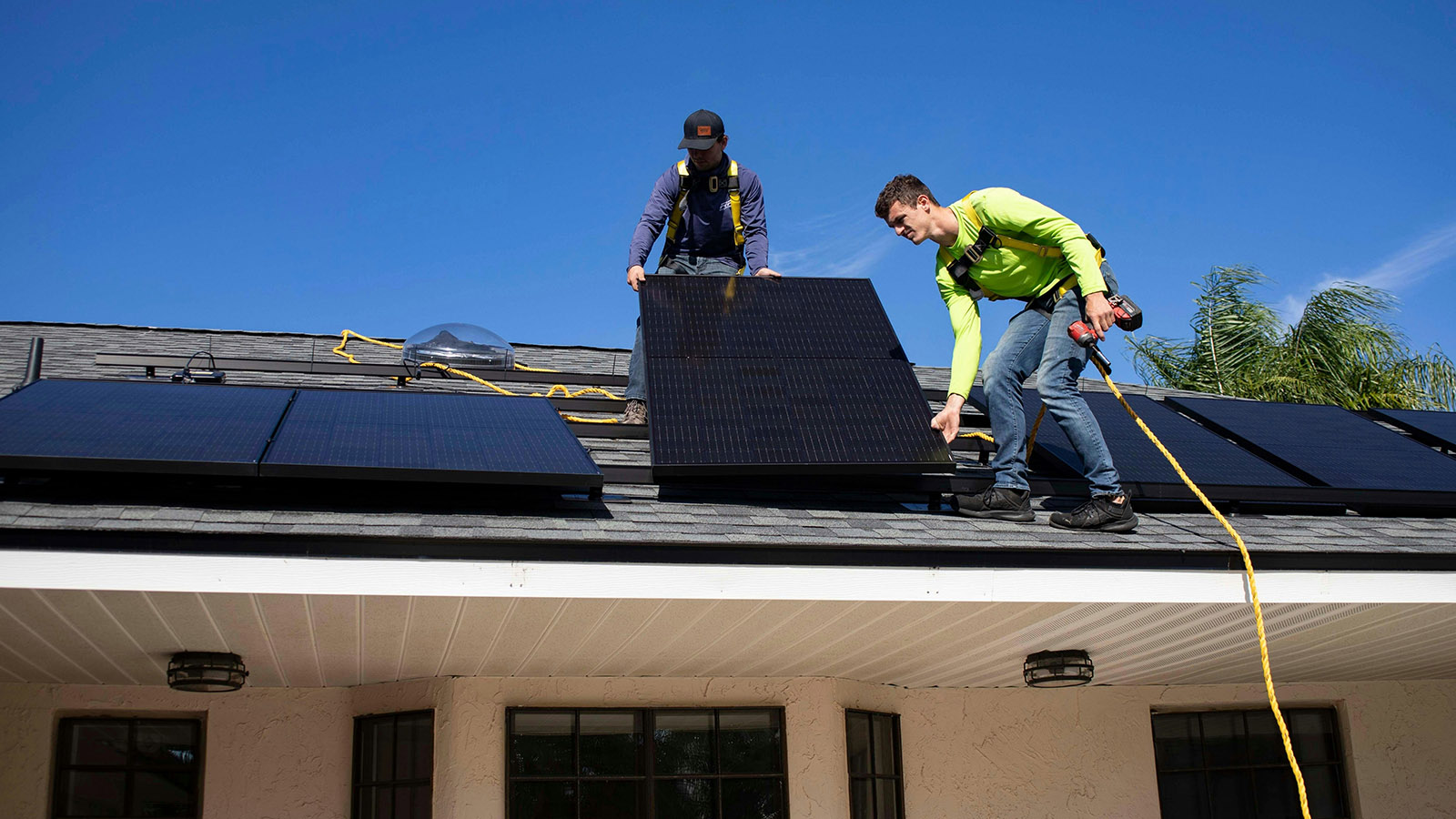
Career Opportunities in Solar Energy
The solar energy sector is experiencing unprecedented growth, with over 7.1 million jobs in solar PV alone as of 2023. For professionals considering a career shift into renewable energy, solar offers pathways across R&D, manufacturing, project development, and operations.
