

Česká distribuční síť odmítla v roce 2024 víc než čtvrtinu žádostí o připojení nového zdroje - a 91 % požadovaného výkonu. Hrdlo není ve výrobě, ale v rozvodnách, transformátorech a vedení. Právě tady stojí kariéra v chytrých sítích: na investičním dluhu, který ČEPS a tři distributoři začínají splácet částkami nad sto miliard korun do roku 2035. Skupina ČEPS investovala v roce 2024 do dlouhodobého hmotného majetku rekordních 8,9 miliardy Kč, o polovinu více než rok předtím, a Desetiletý plán rozvoje 2025-2034 počítá s dalšími 80 miliardami. ČEZ Distribuce přidává v roce 2026 dalších 18,5 miliardy do obnovy, automatizace a digitalizace. Pro inženýry, dispečery, vývojáře platforem a specialisty na bezpečnost OT je to nejdelší cyklus stabilní poptávky, jaký český energetický sektor za poslední dekádu nabízí.
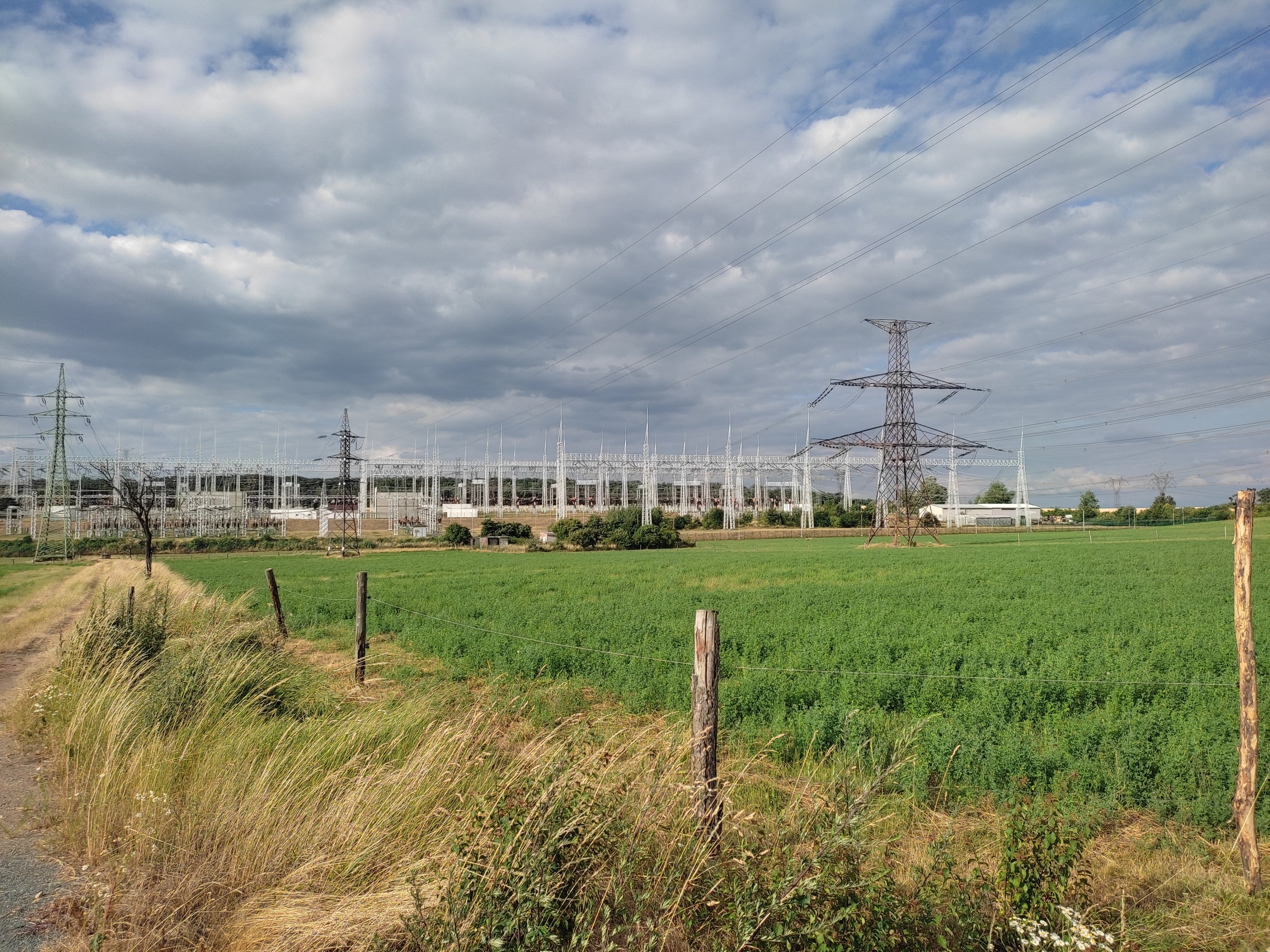
Proč síť odmítá nové zdroje
Síť nebyla navržena na to, co po ní dnes chce trh. Jednosměrný tok z velkých uhelných zdrojů ke koncovým spotřebitelům, na kterém stojí topologie z 70. a 80. let, se obrátil. Tisíce střešních fotovoltaik posílají elektřinu zpět, tepelná čerpadla a nabíječky elektromobilů zvyšují špičkový odběr a baterie čekají v desítkách gigawattů žádostí na připojení. Distribuční transformovny, které šedesát let stačily, tenhle obousměrný provoz neutáhnou.
V distribučním území EG.D padlo mezi březnem 2025 a březnem 2026 přes 6 700 žádostí - třetina ze všech podaných; z požadovaných 53 GW se tam nepustilo 89 % výkonu. ČEZ Distribuce eviduje ve Středočeském kraji několik transformoven, které nemají žádnou volnou kapacitu: Český Brod, Kutná Hora, Nymburk, Slaný, Strančice, Třeboradice a Vrané. Za prvních dvanáct dní po otevření okna pro samostatná bateriová úložiště přišlo 1 069 žádostí o připojení BESS s celkovým výkonem 7,5 GW - čtyři pětiny výkonu všech hnědouhelných elektráren v zemi. ČEZ proto od června 2024 nabízí takzvané negarantované připojení, kdy provozovatel musí akceptovat omezení výkonu při riziku přetížení sítě bez nároku na náhradu.
Kvůli stejnému hrdlu ale česká energetika ohlásila nejrozsáhlejší investice za poslední dvě dekády. Každá jejich položka znamená pracovní příležitosti: pro projektanty rozvoden, dispečery, specialisty na ochrany, datové analytiky a vývojáře systémů pro pokročilé řízení distribuce.
Investice ČEPS do přenosové soustavy
ČEPS spravuje přibližně 5 900 kilometrů vedení velmi vysokého napětí a 44 rozvoden. Skupina ČEPS měla ke konci roku 2023 1 655 zaměstnanců včetně plynárenských dcer. Rekordní investice z roku 2024 ve výši 8,9 miliardy korun proudí především do zdvojování stávajících tras, výstavby nových rozvoden s transformátory a obnovy linek ze 70. let. Úvěr EIB ve výši 9,3 miliardy korun financuje modernizaci a rozšíření soustavy 400 kV o více než 500 kilometrů do roku 2030.
ČEPS přitom postupně vyřazuje zastaralou síť 220 kV a nahrazuje ji soustavou 400 kV. Pro inženýry přenosových a distribučních soustav to znamená dvě dekády projektů, kde jeden tým plánuje novou trasu, druhý ji uvádí do provozu a třetí demontuje to, co dosluhuje. ČEPS nabírá projektové inženýry, specialisty na ochranné a řídicí systémy, dispečery a lidi z IT pro digitalizaci SCADA a systémů monitorování stavu sítě.
Chytré elektroměry v Česku
Národní akční plán pro chytré sítě počítá s minimálně 2 miliony chytrých elektroměrů do roku 2030. Tři distributoři, kteří ho mají naplnit, jsou každý v jiné fázi.
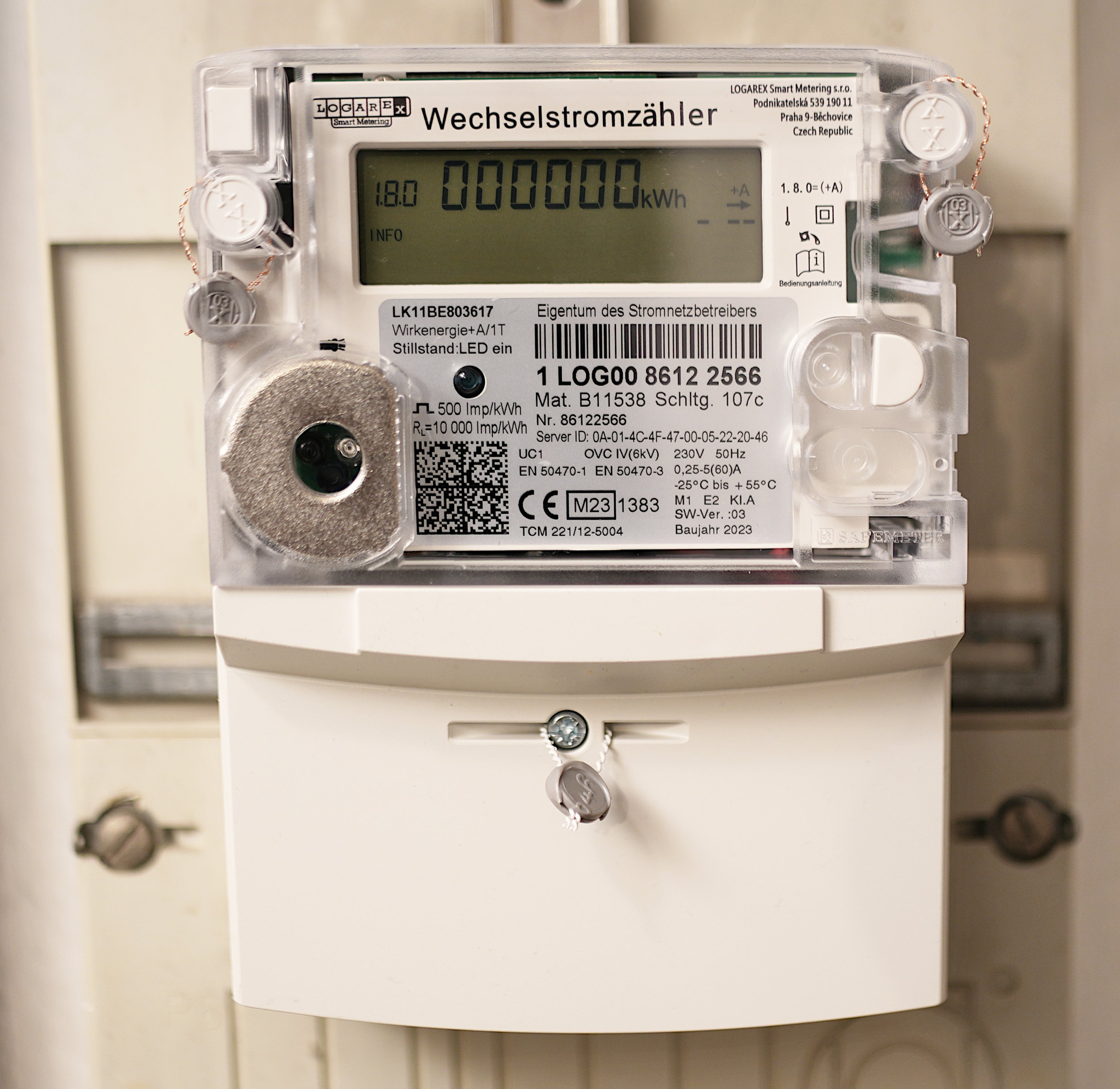
ČEZ Distribuce obsluhuje 3,7 milionu zákazníků. V rámci projektu SmartME má dnes chytré měření na přibližně 430 000 odběrných místech a cíl 800 000 do roku 2027. V roce 2024 vložila do sítě rekordních 20,1 miliardy korun, letos plánuje 18,5 miliardy. Evropská investiční banka poskytla skupině ČEZ celkem téměř 2,8 miliardy eur.
EG.D spravuje jižní Čechy a jižní Moravu a do sítě poslala v roce 2025 přes 8 miliard korun, celkové investice překonaly 10 miliard. Do programu patřilo rozšíření rozvodny 110 kV v Blansku, nový provozní areál v Brně-Bohunicích, transformovna 110/22 kV v centru Českých Budějovic a kabelizace vedení mezi Břeclaví a Hodonínem. Nainstalováno má přes 140 000 chytrých elektroměrů a chystá výměnu u zhruba 560 000 odběratelů do konce roku 2027. Jako partner přeshraničního projektu Gabreta Smart Grids s Bayernwerk AG běží na dotaci 100 milionů eur z evropského CEF a celkovém rozpočtu přibližně 200 milionů eur.
PREdistribuce začala nejpozději. V Praze visí zhruba 65 tisíc chytrých elektroměrů z 850 tisíc na nízkém napětí, do konce roku 2026 jich má být sto tisíc a do roku 2030 tři sta tisíc. Hustá a poměrně mladá pražská síť má přitom k severské úrovni blíž než zbytek republiky.
Souběžně dobíhá česko-slovenský projekt ACON Smart Grids (EG.D a slovenský ZSD), který modernizoval přes 1 400 trafostanic. Od srpna 2024 funguje v Česku sdílení elektřiny přes veřejnou distribuční síť prostřednictvím Elektroenergetického datového centra - každé sdílené místo potřebuje chytrý elektroměr. Technikům chytrého měření a komunikačním inženýrům to zajišťuje nejjistější objem práce na pět let dopředu.
Lex OZE III: baterie a agregace
Novela energetického zákona, kterou trh zná jako Lex OZE III, nabyla částečně účinnosti 1. srpna 2025 a další části se zapínají postupně. Akumulace se jí stala samostatnou licencovanou energetickou činností: provozovatel komerční baterie nově potřebuje licenci od Energetického regulačního úřadu. Vzniká tím poptávka po energetických právnících, compliance specialistech a regulačních inženýrech, kteří umí vést agendu připojení na straně distributora i developera.
Omezení regionálního dosahu energetických společenství padla k 1. červenci 2026. Zrychlené povolování zdrojů do 100 kW snižuje administrativní zátěž, ale zvyšuje tlak na distributory: žádostí přibývá rychleji, než je stíhají zpracovávat.
Pro virtuální elektrárny, agregátory a poskytovatele podpůrných služeb je to zlom. Pražská Delta Green jako první v regionu otevřela podpůrné služby pro domácnosti, a to ve spolupráci s E.ON CZ.
Kombinace IT a OT dovedností
Práce v chytrých sítích leží na rozhraní dvou prostředí, která spolu desítky let neměla mnoho společného.
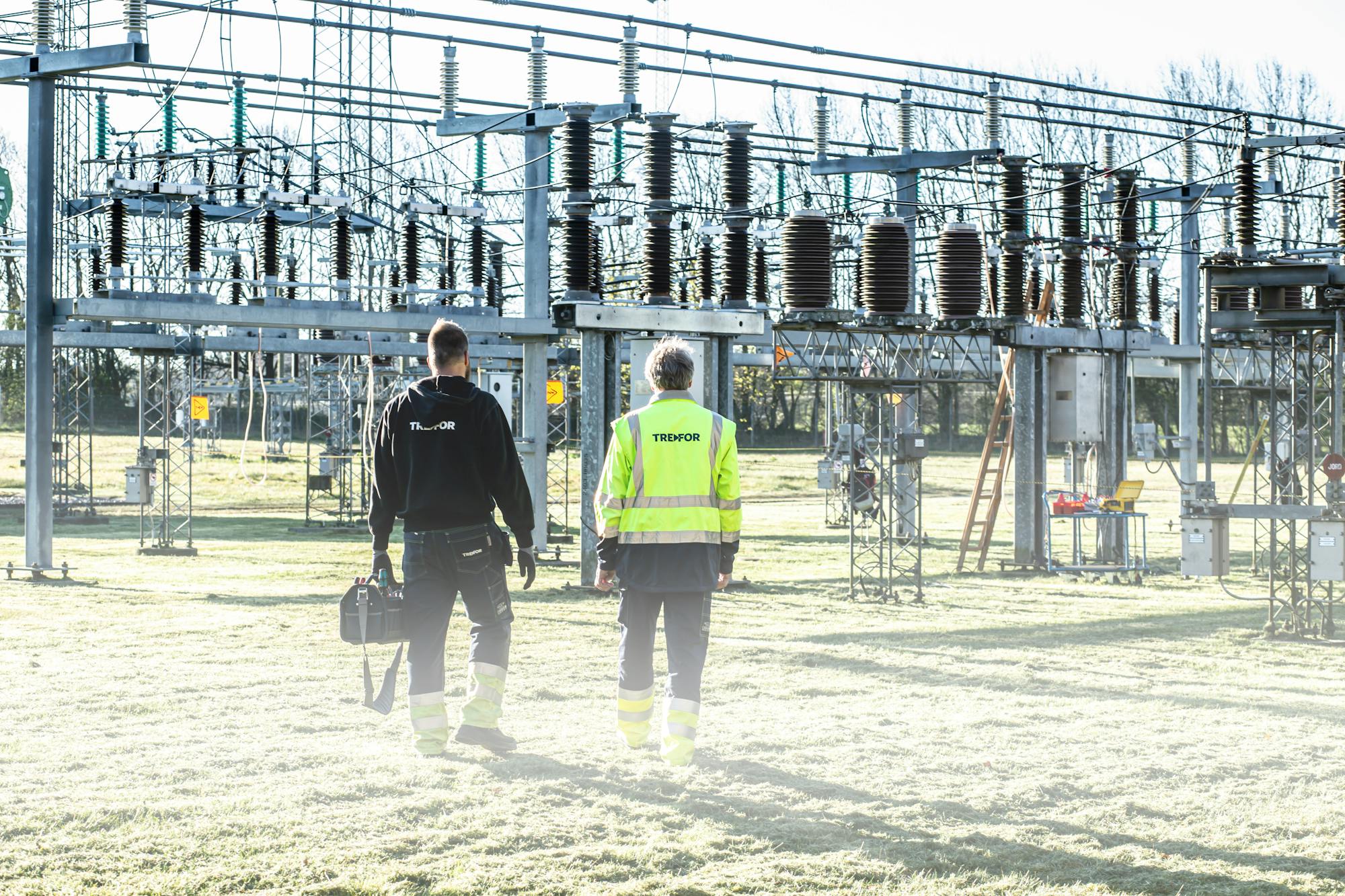
Provozní technologie je svět rozvoden, ochranných relé, spínacích přístrojů a SCADA. Je fyzická, bezpečnostně kritická a stojí na desetiletích inženýrských norem. Pracují tu inženýři energetických systémů, specialisté na ochrany a technici rozvoden, kteří myslí v kategoriích zkratových proudů, impedance a bezpečnostních vzdáleností.
Informační technologie je svět cloudových platforem, datové analytiky, API a strojového učení. Pracují tu vývojáři, datoví vědci a analytici kybernetické bezpečnosti.
Chytrá síť potřebuje obojí najednou. Pokročilý systém řízení distribuce (ADMS) běží na cloudové infrastruktuře, ale ovládá reálné spínací přístroje. Virtuální elektrárna agreguje tisíce střešních fotovoltaik přes zařízení IoT, ale její dispečerská rozhodnutí ovlivňují frekvenci sítě. Kybernetická bezpečnost tu znamená chránit podnikovou IT vrstvu i průmyslové řídicí systémy, kde úspěšný útok může způsobit fyzickou škodu.
Zaměstnavatelé kvůli tomu hledají profily, které před deseti lety neexistovaly. EU DSO Entity uvádí, že téměř tři čtvrtiny evropských distributorů čelí nedostatku kvalifikovaných lidí při připojování solárních elektráren. Více než třetina pracovníků v distribuci elektřiny v EU je starší 50 let. Podle IEA musí počet nových kvalifikovaných pracovníků vzrůst o 40 % globálně, což si vyžádá dodatečné investice 2,6 miliardy USD ročně do školení. Uchazeč, který má v životopise obě strany, proto vyjednává o platu z nezvykle silné pozice.
Profese a pracovní pozice
Rozvodny a terénní práce
Inženýři ochran a řízení navrhují a udržují reléové systémy, které detekují poruchy a izolují poškozené úseky v řádu milisekund. Chybně nastavené ochranné relé může na poruchu nezareagovat a připustit poškození zařízení či požár, nebo naopak odpojit zbytečně a připravit o proud tisíce odběratelů. Práce je kombinací kancelářského návrhu a uvádění do provozu na stavbě, opřená o normy IEC 61850. Nabírají je ČEPS, všichni tři distributoři, Hitachi Energy v Brně i Siemens Energy.
Inženýři projektování rozvoden navrhují uzly, kde se transformuje napětí mezi přenosovou a distribuční úrovní. Rozvodny se digitalizují: inteligentní elektronická zařízení (IED) nahrazují elektromechanická relé a procesní sběrnice po optickém vlákně vytlačuje měděné svazky. E.ON loni v červenci uvedl do provozu 10 000. digitální trafostanici. Nejvíc hledaní jsou inženýři, kteří dokáží propojit starší zařízení s novou digitální architekturou.
Technici nasazování chytrých elektroměrů instalují, uvádějí do provozu a udržují miliony měřidel, která tvoří senzorickou vrstvu sítě. Jde o terénní práci - návštěvy domácností a firem, montáž, konfigurace komunikačních modulů, řešení konektivity. Pro elektrikáře s elektrotechnickou způsobilostí podle nařízení vlády č. 194/2022 Sb. je to nejpřístupnější vstup do oboru a typicky první krok do síťového inženýrství.
Specialisté na HVDC a přeshraniční propojení pracují na vysokonapěťových stejnosměrných systémech, které vážou národní sítě dohromady - NordLink mezi Norskem a Německem, North Sea Link mezi Norskem a Británií. HVDC vyžaduje znalost výkonové elektroniky a inženýrství měničových stanic; specialistů na ně je trvale nedostatek.
Dispečink
Dispečerská pracoviště provozovatelů přenosové i distribučních soustav běží 24/7. Operátoři pracují v rotačních směnách - kontinentální vzorec (dva dny, dvě noci, čtyři volno) nebo dvanáctihodinové rotace. Práce je sedavá, ale s vysokým kognitivním nasazením: operátor sleduje stav sítě na víceobrazovkovém pracovišti, provádí spínací operace, které mohou ovlivnit statisíce odběratelů, a koordinuje krizovou odezvu při bouřkách a poruchách. Špatná spínací sekvence dokáže ohrozit životy, a proto se recertifikace opakuje každý rok.
Směnové příplatky typicky přidávají 15-25 % k základnímu platu. Medián platu dispečera rozvodné elektrické soustavy v privátním sektoru je podle Národní soustavy povolání 61 800 Kč měsíčně, s rozpětím do 92 000 Kč.
SCADA inženýři stojí v dispečinku za technickou stranou: konfigurují komunikační protokoly (DNP3, IEC 60870-5-104), integrují telemetrii z tisíců terénních zařízení a navrhují operátorská rozhraní. Potřebují síťové znalosti i porozumění fyzikálnímu procesu, který řídí.
Software a data
Vývojáři síťového softwaru staví platformy pro celý řetězec od obchodování s elektřinou přes řízení výpadků až po zákaznické portály. Backend obvykle stojí na Pythonu, Javě nebo C++, datová vrstva na PostgreSQL nebo časových databázích pro energetickou analytiku. Toky výkonu a zúčtování trhu se vývojář doučí za chodu; programátorské dovednosti se přenášejí přímo.
Inženýři ADMS a DERMS pracují na pokročilých systémech řízení distribuce a na systémech pro řízení distribuovaných energetických zdrojů. Konfigurují je, integrují s podnikovými aplikacemi distributora a testují automatizované síťové funkce - vyrovnávání zátěže, lokalizaci poruch, optimalizaci napětí. Zaměstnávají je dodavatelé Schneider Electric, GE Vernova a Hitachi Energy a větší distributoři, kteří si platformy přizpůsobují vlastními týmy.
Datoví vědci aplikují strojové učení na předpověď poptávky, prediktivní údržbu transformátorů, detekci anomálií v kvalitě elektrické energie a optimalizaci provozu distribuovaných zdrojů. Lidí, kteří spojují energetické systémy s datovou vědou, je v Česku opravdu málo, a podle Antalu se jejich platy pohybují v horním pásmu IT trhu.
Inženýři virtuálních elektráren a agregačních platforem staví systémy, které sdružují tisíce malých zdrojů, baterií a flexibilních zátěží do jednoho dispečovatelného aktiva. Tady se software potkává s trhem s elektřinou: operátor nabízí agregovaný výkon na trhu s podpůrnými službami a platforma musí dispečovat jednotlivá aktiva v reálném čase. Next Kraftwerke (Shell) provozuje jednu z největších evropských VPP s více než 15 GW v osmi zemích; česká Delta Green dělá totéž v menším měřítku, zato jako první v regionu pro portfolio domácností.
Bezpečnost OT a směrnice NIS2
Specialisté na bezpečnost OT chrání průmyslové řídicí systémy, na kterých síť běží. Není to standardní podniková kybernetická bezpečnost. SCADA, ochranná relé a automatizaci rozvoden nelze odstavit kvůli záplatám, běží na starších operačních systémech a používají průmyslové protokoly navržené před érou kybernetických hrozeb. Specialista musí rozumět útočným plochám v IT i fyzickým důsledkům úspěšného útoku.
Směrnice EU NIS2, kterou měly členské státy převést do národního práva do října 2024, výrazně rozšířila povinnosti energetických operátorů. Vyžaduje dedikovaný bezpečnostní tým, schopnost reagovat na incidenty a hodnocení bezpečnosti dodavatelského řetězce - poptávka, která potrvá roky. V Británii role přináší 20-35% platovou prémii nad obecnou kybernetickou bezpečnost; v Česku se podle dat Antalu pohybuje v horním pásmu IT trhu (70 000-180 000 Kč hrubého měsíčně podle seniority).
Trh s flexibilitou
Manažeři řízení spotřeby navrhují a provozují programy, které přesouvají spotřebu elektřiny tak, aby kopírovala výrobu z obnovitelných zdrojů. Pracují s průmyslovými zákazníky, agregátory a distributory na identifikaci flexibilních zátěží, nastavení řídicích systémů a účasti na velkoobchodních nebo regulačních trzích. Půlka práce je znalost pravidel trhu, půlka technické provedení.
Inženýři mikrosítí navrhují autonomní energetické systémy - průmyslové areály, vojenské instalace, odlehlé obce - které dokáží fungovat nezávisle na hlavní síti. Integrují výrobu, ukládání a řízení zátěže do jednoho ovladatelného celku. Inženýrskou výzvou je ostrovní provoz: udržet napětí a frekvenci bez zálohy hlavní sítě.
Specialisté na obchodování a optimalizaci sítě operují na rozhraní mezi fyzickými omezeními sítě a finančními trhy. Plánují výrobu a úložiště, řídí přetížení a obchodují s produkty pro řízení sítě. Stále častěji k tomu potřebují programovat - Python a optimalizační solvery jsou v inzerátech standardem.
Platy v Česku a Německu
Hitachi Energy investuje 1,1 miliardy korun do rozšíření závodu v Brně a otevírá tam přibližně 200 nových pozic, divize Grid Technologies u Siemens Energy globálně nabírá 10 000 lidí. O stejné inženýry se přitom uchází Bavorsko a Sasko, a české mzdy se tak poměřují s německými.
| Pozice | Česko (CZK) | Německo (EUR) |
|---|---|---|
| Inženýr ochran / energetických systémů | 720 000 - 1 280 000 | 65 000 - 116 000 |
| Inženýr SCADA | 550 000 - 1 050 000 | 60 000 - 100 000 |
| Dispečer rozvodné elektrické soustavy | 505 000 - 1 100 000 | 65 000 - 95 000 |
| Vývojář síťového softwaru | 780 000 - 1 390 000 | 65 000 - 112 000 |
| Datový vědec / energetický analytik | 660 000 - 1 240 000 | 55 000 - 95 000 |
| Specialista na bezpečnost OT | 840 000 - 2 160 000 | 70 000 - 120 000 |
| Technik chytrých elektroměrů | 470 000 - 650 000 | 42 000 - 58 000 |
| Manažer řízení spotřeby a flexibility | 600 000 - 1 050 000 | 64 000 - 113 000 |
Roční hrubé platy. Česká data čerpají z Národní soustavy povolání (dispečer), platového průzkumu Antalu pro kybernetickou bezpečnost (medián 70-180 tisíc měsíčně), platy.cz a SalaryExpert pro 2025. Vodítko: vyhrazená pozice „specialista na chytré sítě“ se v českých platových přehledech zatím systematicky neobjevuje, rozpětí proto vycházejí z příbuzných elektrotechnických, IT a energetických rolí. Směnové příplatky u dispečerských a terénních rolí (typicky 15-25 %) nejsou v základním rozpětí započteny. Specializace na bezpečnost OT nebo síťovou analytiku přidává 10-20 %. Orientační kurz: 1 EUR ≈ 25 CZK.
Část českých specialistů z energetiky a IT navíc pravidelně nastupuje k E.ON, EnBW, Bayernwerku a TenneT v sousedním Sasku a Bavorsku, kde základní platy začínají o 30-50 % výš a kde je poptávka po lidech větší než nabídka.
Práce v zahraničí: Německo, Skandinávie, Nizozemsko, Británie
Nasazování chytrých sítí je v Evropě nerovnoměrné: rozhodují regulační termíny, podíl obnovitelných zdrojů a stáří infrastruktury. Nejbližší velký trh leží pro Čechy hned za hranicí.
Německo
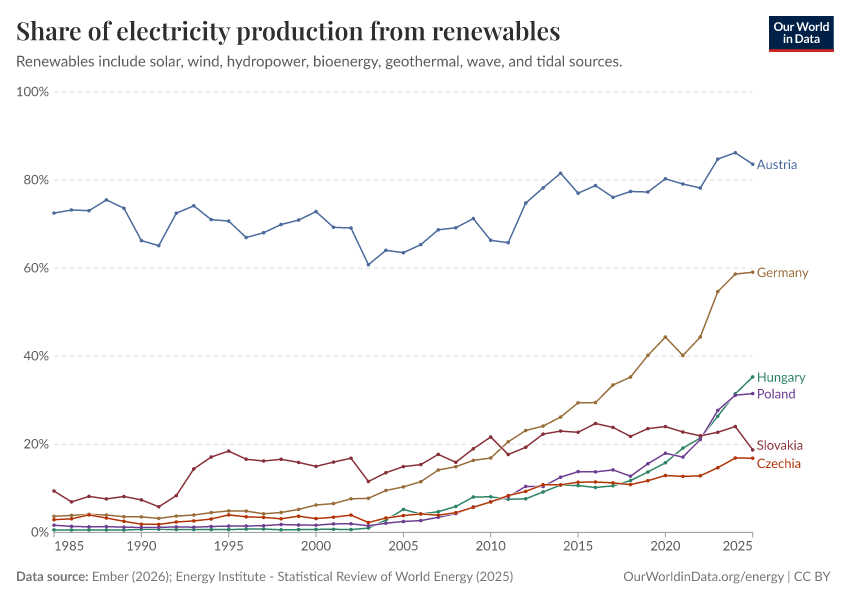
Německý trh chytrých sítí je největší v Evropě (3,45 miliardy USD). Nasazování chytrých elektroměrů ovšem zaostávalo - do konce roku 2025 jen 3,1 milionu kusů. Teď probíhá přechod z pilotní fáze do průmyslového měřítka. E.ON má v plánu 43 miliard eur v období 2024-2028, z čehož přibližně 35 miliard směřuje do modernizace sítě. Německo loni v září spustilo první komerční řešení vehicle-to-grid s BMW a E.ON a celostátní projekt digitálního dvojčete s envelio. Nábor probíhá v Severním Porýní-Vestfálsku, Bavorsku a Bádensku-Württembersku - tedy v regionech, kam se z Česka denně i týdně dojíždí.
Severské země
Dánsko pokrývá 77,7 % spotřeby elektřiny z obnovitelných zdrojů (převážně z větru) a chytré měření má od roku 2020 prakticky kompletní. Švédsko, Finsko a Estonsko jsou na tom obdobně. Trhy mají v absolutních číslech menší objem, ale silnou poptávku po lidech, kteří umí pokročilou analytiku sítí, flexibilitu a integraci obnovitelných zdrojů. Energinet v Dánsku má dvouletý absolventský program s rotacemi napříč odděleními, který bývá pro středoevropské inženýry vstupní branou.
Nizozemsko
Nizozemsko dokončilo nasazení chytrých elektroměrů a soustředí se na přetížení sítě: fyzická infrastruktura nestíhá tempo, jakým se připojují fotovoltaiky a tepelná čerpadla. Alliander a Stedin nabírají specialisty na připojení k síti a řízení kapacity v rozsahu, který v Česku zatím nemá obdoby.
Velká Británie
Británie nainstalovala k březnu 2025 přibližně 39 milionů chytrých elektroměrů a restrukturalizovala správu sítě - National Grid ESO se v říjnu 2024 změnil na nezávislého provozovatele NESO. Několikaleté čekací doby v britské frontě na připojení nových obnovitelných a úložných projektů udělaly z plánovačů sítě a specialistů na propojení soustav jedny z nejdráž placených inženýrů v sektoru.
Francie, Španělsko a Itálie - tradiční velké trhy - mají nasazování chytrých elektroměrů z velké části za sebou (Linky, Iberdrola, Enel) a posouvají se k druhé generaci infrastruktury.
Přechod z jiných oborů
Chytré sítě jsou jedním z mála energetických oborů, kde do skutečně seniorních rolí vede několik různých cest.
Z elektrotechniky a klasické energetiky: Nejpřirozenější přechod. Inženýři ochran, technici rozvoden a projektanti distribučních sítí z utilit už pracují na síťové infrastruktuře - krok k „chytrým“ sítím znamená přidat digitální vrstvu ke stávajícímu inženýrskému základu. Kvalifikovaný elektrikář může okamžitě nastoupit na instalaci chytrých elektroměrů a postupovat dál do síťového inženýrství nebo uvádění do provozu. Lidé vyškolení v ČEZ Distribuci, EG.D nebo PREdistribuci jsou pro celý trh přirozenou rezervou.
Z IT a softwarového vývoje: Backend vývojáři, cloudoví inženýři a datoví vědci najdou okamžité uplatnění ve vývoji síťového softwaru, na platformách ADMS/DERMS a v analytických rolích. Python, PostgreSQL, Kubernetes a mikroservisní architektura jsou přímo přenositelné. Toky výkonu, síťové kodexy a zúčtování trhu se vývojář doučí za chodu a zaměstnavatelé s tím počítají: programátorů je v sektoru méně než lidí, kteří rozumí energetice.
Z telekomunikací: Komunikace v chytrých sítích (4G/5G, optická vlákna, RF mesh) používá stejné protokoly, architektury a monitorovací nástroje jako mobilní operátoři. Dovednosti v monitorování sítí, řízení poruch a systémové integraci se přenášejí přímo; protokoly SCADA (DNP3, IEC 61850) se dají naučit za provozu.
Z ropy, plynu a procesního průmyslu: Inženýři procesního řízení, operátoři SCADA a HSE specialisté z rafinérií přinášejí přímo relevantní zkušenost s průmyslovými řídicími systémy, řízením bezpečnosti a směnným provozem. ORLEN Unipetrol, Spolchemie, NET4GAS a Mero ČR zaměstnávají lidi, kteří by v chytrých sítích po krátkém doškolení dělali svou profesi dál.
Vzdělání a kvalifikace
Inženýrský vstup vede přes ČVUT FEL (katedra elektroenergetiky a UCEEB pro inteligentní budovy a sítě), VŠB-TU Ostrava (Smart Grid Laboratory v centru ENET, hluboké napojení na ČEZ a region), VUT Brno (výzkumná skupina Energy and Smart Grids FEKT, partner pro Hitachi Energy a Siemens Mobility) a ZČU Plzeň (katedra elektroenergetiky, blízko bavorského trhu).
Pro nástup bez vysokoškolského titulu je rozhodující elektrotechnická způsobilost podle nařízení vlády č. 194/2022 Sb., doplněná o vendorské certifikace - Siemens, ABB/Hitachi Energy a Schneider Electric pro SCADA a ochranné systémy, IEC 61850 pro digitální rozvodny a GICSP (Global Industrial Cyber Security Professional) pro bezpečnost OT. ETIP SNET označuje umělou inteligenci, big data analytiku a kybernetickou bezpečnost za tři nejvyšší priority školení v evropském síťovém sektoru.
Technologie a trendy
Strojové učení v dispečinku. Hitachi Energy vyvinula „Nostradamus AI“ - nástroj pro předpověď zatížení, výroby a tržních cen. Distributoři nasazují ML modely pro předpověď poptávky, prediktivní detekci poruch a automatizovanou regulaci napětí. Právě tyhle týmy se v celém sektoru obsazují nejhůř.
Digitální dvojčata. Utility staví virtuální repliky sítí, aby mohly simulovat dopady nových připojení obnovitelných zdrojů, testovat nastavení ochran a plánovat rozšiřování kapacity bez zásahu do reálné sítě. Celostátní projekt E.ON s envelio v Německu patří k nejambicióznějším. Inženýři digitálních dvojčat potřebují 3D modelování, znalost energetických systémů a vývojářské schopnosti zároveň.
Vehicle-to-grid a obousměrný tok. V2G mění každý elektromobil na baterii připojenou k síti. Středoevropský projekt V4Grid - 11 partnerů z Česka, Polska, Maďarska a Slovenska - testuje 18 obousměrných nabíječek na 15 pilotních místech. Vznikají role na rozhraní chytrých energetických systémů a automobilových technologií.
Edge computing v rozvodnách. Zpracování dat uvnitř rozvodny místo odesílání všeho do centrálního cloudu snižuje latenci ze sekund na milisekundy. S přibývajícími distribuovanými zdroji se z luxusu stala nutnost. Vzniká poptávka po inženýrech vestavných systémů a specialistech na průmyslový IoT, kteří dokáží nasadit výpočetní hardware do prostředí s vysokým napětím a elektromagnetickým rušením.
Klíčoví zaměstnavatelé
Čeští provozovatelé soustav
- ČEPS - Praha, provozovatel přenosové soustavy, 1 655 zaměstnanců skupiny, plán investic 80+ mld. Kč do roku 2034
- ČEZ Distribuce - Děčín, největší český distributor (3,7 mil. zákazníků), projekt SmartME, rekordní investice 20,1 mld. Kč v roce 2024, 18,5 mld. plánováno na 2026
- EG.D - České Budějovice, distributor pro jižní Čechy a jižní Moravu, investice 10+ mld. Kč v roce 2025, partner projektu Gabreta Smart Grids (200 mil. EUR)
- PREdistribuce - Praha, distributor pro hlavní město, zhruba 65 000 chytrých elektroměrů z 850 000, cíl 300 000 do roku 2030
Čeští výrobci a integrátoři
- ZPA Smart Energy - Trutnov, největší český výrobce elektroměrů, bezmála 200 zaměstnanců, čtvrtina v R&D, export do střední a západní Evropy
- Delta Green - Praha, virtuální elektrárna propojující domácí solár, baterie, tepelná čerpadla a elektromobily; první v regionu s podpůrnými službami pro domácnosti
- Hitachi Energy - česká pobočka v Brně, investice 1,1 mld. Kč do rozšíření závodu, přibližně 200 nových míst ve výrobě zařízení velmi vysokého napětí
Evropští provozovatelé přenosových soustav
- TenneT - Nizozemsko/Německo, první přeshraniční TSO v Evropě, spravuje více než 25 000 km vysokonapěťového vedení
- 50Hertz - Německo, provozuje síť v severním a východním Německu, cíl 100 % integrace obnovitelných zdrojů
- Amprion - Německo, přibližně 11 000 km vedení zásobujícího 29 milionů lidí
- Elia Group - Belgie, mateřská společnost Elia (Belgie) a 50Hertz (Německo)
- Energinet - Dánsko, dvouletý absolventský program s rotacemi napříč odděleními
- RTE - Francie, spravuje největší přenosovou síť v Evropě (přibližně 105 000 km)
Distribuční operátoři v zahraničí
- E.ON - Německo, hlavní DSO v několika evropských zemích, 10 000. digitální trafostanice v červenci 2025, investiční plán 43 mld. EUR na 2024-2028
- UK Power Networks - Británie, největší DNO obsluhující přibližně 8,5 milionu zákazníků, první nezávislá DSO v UK (duben 2023)
- Enedis - Francie, distribuuje 95 % francouzské elektřiny, nasadila přes 35 milionů elektroměrů Linky
- Alliander - Nizozemsko, největší nizozemský DSO přes dceřinou Liander, přibližně 3,3 milionu zákazníků
- Stedin - Nizozemsko, třetí největší nizozemský DSO, přibližně 2,3 milionu přípojek v Jižním Holandsku, Utrechtu a Zeelandu
Technologičtí dodavatelé
- Schneider Electric - Francie, podle ABI Research č. 1 v digitalizaci energetických sítí, lídr v ADMS, DERMS a virtuálních rozvodnách, přibližně 160 000 zaměstnanců
- Siemens Energy - Německo, divize Grid Technologies plánuje globálně 10 000 nových pozic
- Hitachi Energy - Švýcarsko, dříve ABB Power Grids, vývoj „Nostradamus AI“
- GE Vernova - USA/Francie, divize Grid Solutions se sídlem ve Francii, ze zařízení GE Vernova pochází přibližně 25 % světové elektřiny
- ABB - Švýcarsko, smart grid projekty pro spolehlivost distribuce a regulaci napětí
- Eaton - Irsko, Centrum inteligentní energie v Dublinu, AI pro řízení energetiky
Chytré měření
- Landis+Gyr - Švýcarsko, jeden z největších světových výrobců chytrých elektroměrů, přibližně 3 100 zaměstnanců po odprodeji divize EMEA
- Kamstrup - Dánsko, přibližně 1 800 zaměstnanců, přední evropský dodavatel inteligentního měření energie a vody
- Itron - USA, hlavní globální dodavatel AMI řešení se silnou evropskou přítomností
- Sagemcom - Francie, kombinace hardwaru a softwaru pro řízení spotřeby
- Diehl Metering - Německo, silná pozice v chytrém měření energie a vody
Síťový software a virtuální elektrárny
- Next Kraftwerke (Shell) - Německo, 15+ GW v 8 zemích, akvírováno Shellem v roce 2021
- GridBeyond - Irsko, AI platforma DERMS a VPP, optimalizace na okraji sítě
- Smarter Grid Solutions - Británie, průkopník technologie aktivního řízení sítě
- Voltalis - Francie, největší evropský poskytovatel rezidenčního řízení spotřeby, 1,5+ mil. připojených spotřebičů ve 250 000 budovách v 8 zemích
- Sympower - Nizozemsko, řídí 2,7+ GW distribuovaných aktiv napříč Evropou
- Enel X - Itálie, světově největší poskytovatel řízení spotřeby s přibližně 10 GW flexibilní zátěže
Bezpečnost OT a průmyslových řídicích systémů
- Claroty - USA/Izrael, podle Gartner 2025 Magic Quadrant lídr v ochraně kyber-fyzikálních systémů
- Nozomi Networks - USA/Švýcarsko, akvírováno Mitsubishi Electric v lednu 2026 za přibližně 883 mil. USD
- Dragos - USA, dedikovaná bezpečnost ICS/OT, ocenění 3,2 mld. USD
Přesahy do sousedních oborů
Česká síť ještě zhruba pět let poběží v režimu, kdy poptávka po připojení převyšuje volnou kapacitu. Nárazníkem se mezitím staly lokální distribuční soustavy (LDS) za rozvodnou, samostatná bateriová úložiště, virtuální elektrárny a sdílení elektřiny ve společenstvích. Ten paralelní pracovní trh se dal před třemi lety měřit desítkami pozic, dnes jsou to stovky a poroste tak dlouho, dokud budou distributoři dohánět ztrátu.
Inženýři energetických systémů se přitom plynule pohybují mezi provozovateli sítí a developery obnovitelných zdrojů. Specialisté na výkonovou elektroniku pracují napříč sítěmi, ukládáním energie a nabíjecí infrastrukturou pro elektromobily, protože technologie měničů je v zásadě stejná. Specialisté na bezpečnost OT chrání průmyslové řídicí systémy ve vodárnách i ve výrobních podnicích, ne jen v energetice.
Vodíkové elektrolyzéry jsou z pohledu sítě velké řiditelné zátěže a jejich integrace otevírá role na pomezí síťového plánování a vodíkové ekonomiky. Dispečeři přečerpávacích vodních elektráren pracují se stejnými trhy a řídicími systémy jako operátoři chytrých sítí a i kogenerace v bioenergetice se stále častěji zapojuje do agregačních platforem. S přibývající distribuovanou výrobou - komunitní větrné elektrárny, střešní solár, budovní zdroje - se hranice mezi „výrobou“ a „sítí“ stírá a zaměstnavatelé hledají lidi, kteří rozumí oběma stranám.
Cíl 2 milionů chytrých elektroměrů do roku 2030 je dosažitelný, ale jen pokud každý rok přibude několik stovek techniků nasazování, několik desítek inženýrů ochran a srovnatelný počet vývojářů ADMS/DERMS. Co dnes drží trh v patové situaci, je zároveň nejjasnější příslib stabilního zaměstnání, jaký česká elektroenergetika za posledních patnáct let nabídla.


