
Renewable energy jobs · Water Management
-
Expired
 Auberry, United StatesOn-site Full time 2 months ago
 -
Expired
 Bismarck, North Dakota, United States + 2 locationsFlexible Full time 3 days agoUS$31–42 hourly
 -
Expired
 Gurugram, IndiaOn-site Full time 2 months ago
 -
Expired
 Manchester, United Kingdom + 6 locationsFlexible Full time 2 months ago
 -
Expired
 Khancoban NSW, AustraliaOn-site Full time 2 months ago
 -
Expired
 Delft, the NetherlandsFlexible Part time More than 3 months ago€5,705–7,297 monthly
 -
Expired
 Cambridge, AustraliaOn-site Full time 2 months agoA$93,140–114,552 annually
 -
Expired
Trevallyn, Tasmania, Australia + 1 locationOn-site Full time More than 3 months agoFrom A$100,277 annually
-
Expired
San Pedro, Costa RicaHybrid Full time 6 days ago
-
Expired
 Inverness, United KingdomOn-site Full time More than 3 months ago£34,749–40,939 annually
 -
Expired
Wayatinah, AustraliaFlexible Full time More than 3 months agoFrom A$93,140 annually
-
Expired
 Lisbon, PortugalOn-site Full time More than 3 months ago
 -
Expired
Tullah, AustraliaOn-site Full time More than 3 months agoA$93,140–114,552 annually
-
Expired
Dublin, IrelandOn-site Full time More than 3 months ago
-
Expired
 Delhi, IndiaOn-site Full time More than 3 months ago
Water Management Jobs in Renewable Energy
Water management in renewable energy covers the engineering, monitoring, and stewardship of water that powers turbines, cools generators, feeds electrolysers, and shapes the environments where clean energy gets built. Hydropower alone employed 2.26 million people worldwide in 2024, the third-largest workforce in any renewable sector after solar and bioenergy. As ageing European dams head into a repowering cycle and green hydrogen, geothermal cooling, and floating solar pull fresh demand into the wider water-energy nexus, hiring is broadening well past traditional hydro-station roles.
What These Roles Actually Do
Most postings cluster around three buckets. Hydropower operations and dam safety dominate: plant operators monitor turbines and gates, dam safety engineers inspect spillways and assess seismic risk, and hydraulic engineers model flow through penstocks and tailraces. Water resources engineers run hydrology studies for new projects, including pumped storage feasibility and floating solar reservoirs. A growing cohort handles the water-energy nexus: process water for green hydrogen electrolysis, ultrapure-water and water treatment loops for thermal renewables, and dewatering plans for offshore wind foundations.
Where the Hiring Is Concentrated
Hydropower is the anchor sector, and the largest employers on Rejobs reflect that. Hydro-Québec and Hydro Tasmania hire across plant operations, civil works, and dam safety. Snowy Hydro recruits heavily for its 2,200 MW Snowy 2.0 pumped hydro storage build in New South Wales. Eagle Creek Renewable Energy and FirstLight Power dominate small-to-mid US hydro hiring, while Vattenfall and Tractebel cover European operations and consulting. Job postings concentrate in Calgary, Manchester, Cooma (the Snowy 2.0 hub), Goldisthal in Thuringia (Vattenfall's pumped storage plant), and Baie-Comeau in Québec.
The Repowering and Pumped-Storage Wave
Roughly 230 GW of European hydropower capacity was built between the 1950s and 1980s, and operators are now refurbishing turbines, raising spillways for new flood return periods, and adding pumped-storage capacity to firm up wind and solar. That shift is reshaping job mixes: dam safety engineers are in chronic short supply, and applicants who pair hydrology with battery-equivalent thinking (round-trip efficiency, ancillary services, day-ahead bidding) command premiums.
Salaries and Specialisations in Demand
UK water-industry engineers earn an average of £32,500, rising past £47,000 for chartered water resources engineers, and senior dam safety roles in North America regularly clear US$150,000. The strongest demand sits at the intersections: hydrologists fluent in Python and remote sensing for catchment modelling; civil engineers comfortable with both concrete-arch dam refurbishment and floating-solar mooring design; environmental management specialists who can run fish-passage studies and watershed permitting. Lesser-known tracks are opening fast in produced-water handling for geothermal fields and ultrapure-water systems for electrolyser stacks, both expected to grow as policy capital flows into hydrogen hubs and enhanced geothermal pilots through 2027.
Last updated on Jun 12, 2026 | Report an issue
Get job alerts
Get alerts for Water Management jobs
Join Talent Pool
Let clean energy employers find you
Featured jobs





Renewable energy blog posts
-

Renewable Energy Forecast for 2030
By 2030, renewables are poised to supply nearly half of global electricity, with solar and wind leading this explosive expansion. In this data-driven piece, we explore job creation forecasts, supply chain bottlenecks, and policy hurdles. -

Fastest Growing Renewable Energy Sector: Data and Trends
In 2023, solar photovoltaics surged by 32.59%, officially making it the fastest-growing renewable energy source worldwide. Yet offshore wind, which soared by 57.87% in 2021, remains a formidable competitor in total electricity output due to its high capacity factor. This concise overview highlights how policy incentives, cost reductions, and manufacturing advances are propelling solar to the forefront of the global energy transition. -
Career Opportunities in Solar Energy
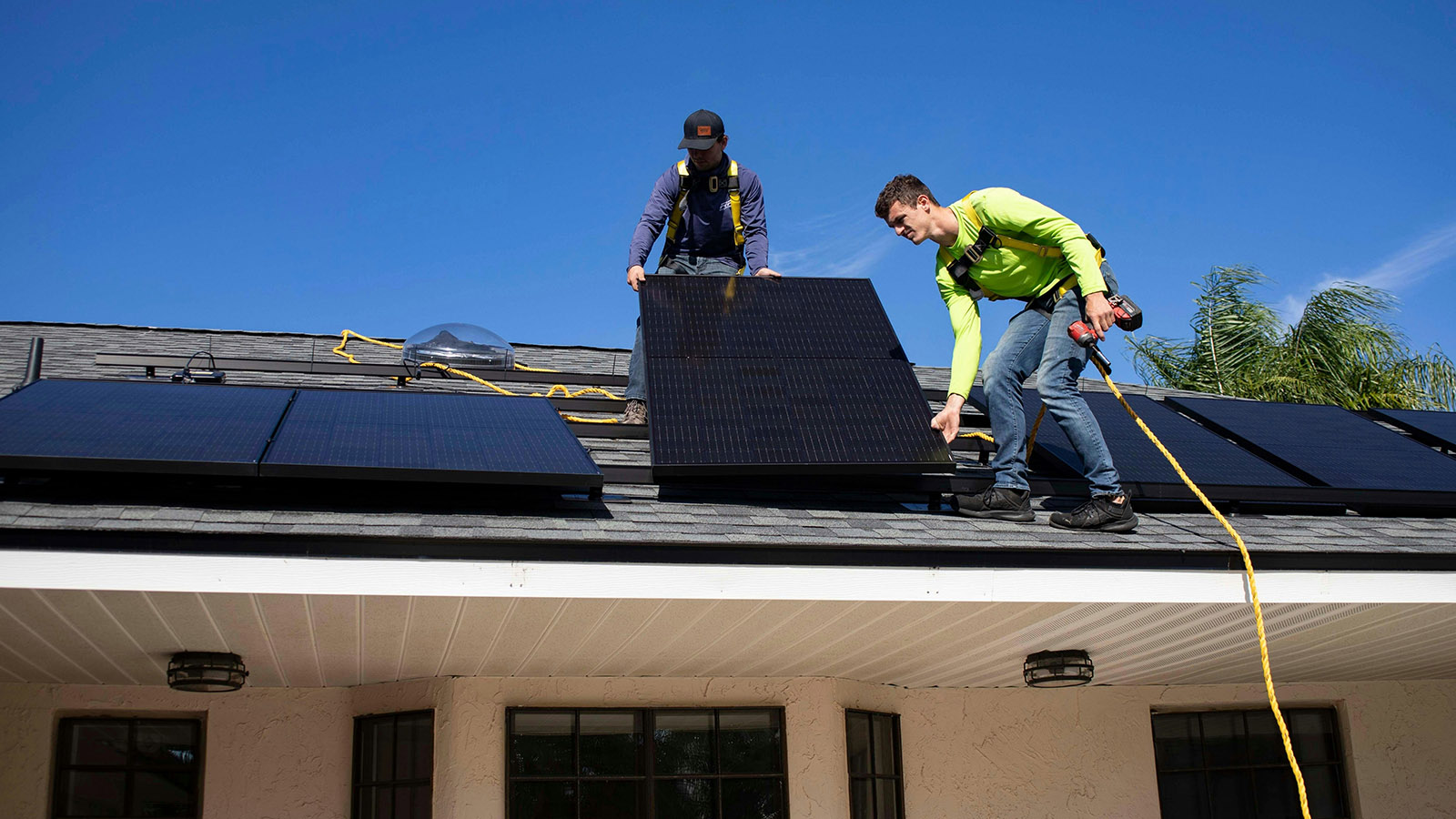
The solar energy sector is experiencing unprecedented growth, with over 7.1 million jobs in solar PV alone as of 2023. For professionals considering a career shift into renewable energy, solar offers pathways across R&D, manufacturing, project development, and operations.
