

Ageing fleet and pumped-storage growth
Almost 60% of Europe's installed hydropower capacity is over 40 years old and the average plant age sits at roughly 45 years. The engineers who designed and commissioned that fleet in the construction wave of the 1960s to 1980s are retiring, and the IEA estimates that around USD 127 billion will be spent modernising ageing plants this decade - almost a quarter of global hydropower investment. In North America and Europe, modernisation is close to 90% of the total.
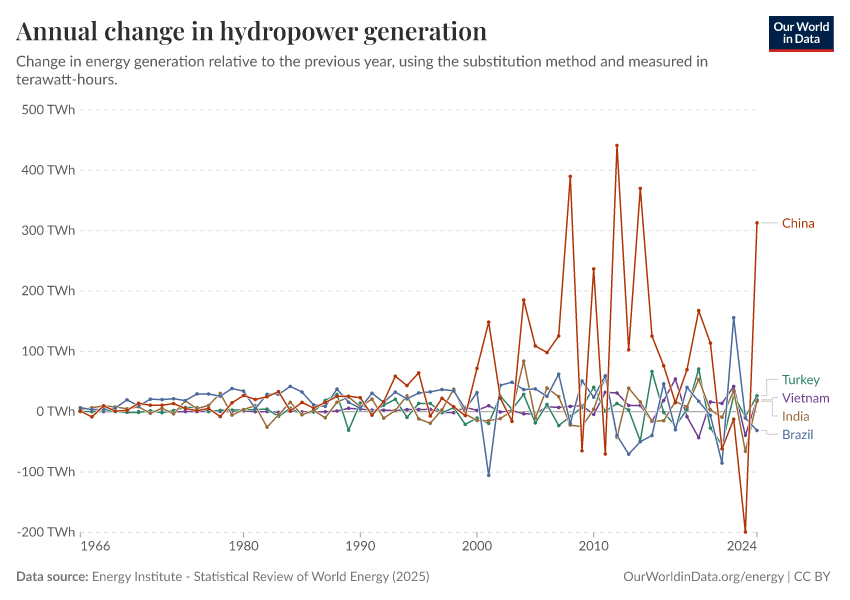
The second pressure is new build, but it is concentrated. The 28 GW of capacity added globally in 2025 was the strongest year in a decade, with a record 11.7 GW of that in pumped storage - 6% fleet growth against a 2010s average nearer 2%. The 2024 total came mostly from China, Tanzania, Ethiopia, Bhutan, and Pakistan. The IHA's pipeline now exceeds 1,100 GW, including some 620 GW of pumped storage and 500 GW of conventional projects. Greenfield large-dam construction in Europe is effectively over; the European hiring story sits in modernisation, refurbishment, and pumped-storage extensions on existing sites.
For job seekers, those two forces compound. Companies that operate hydro fleets are losing institutional knowledge faster than the universities produce replacements, and at the same time they are signing multi-billion-euro contracts that will run for the rest of the decade. Andritz Hydro reported a record EUR 2.52 billion hydropower order intake in 2025, up 16% year on year. Voith Hydro spent the first half of 2026 booking the Grimsel 4 contract with KWO in Switzerland for two variable-speed 70 MW pump-turbines, on top of the Kruonis fifth unit in Lithuania due online by the end of 2026.
Workforce ageing and retirements
Industry analysis of the US hydropower workforce finds that more than a quarter of the sector is aged 55 or older and that close to 9,000 workers will leave the industry by 2030, rising to 13,000 by 2040. Around 11% of operators surveyed had no knowledge-transfer system at all, and the most common approach among the rest was informal person-to-person handover. The age skew is steeper than the wider US workforce average, and the supervisory and managerial bands are older still.
The European picture rhymes. In Norway, where hydropower covers close to 90% of national electricity through 33.9 GW of installed capacity, Statkraft and Hafslund have flagged succession planning as a strategic priority for the rest of the decade. Austria's VERBUND, the largest hydropower operator in central Europe, runs 130 plants and is going through the same demographic transition. Switzerland's three big utilities - Axpo, Alpiq, BKW - are recruiting against the same constraint, with the added complication that some of the country's most technically demanding underground powerhouses are operated by ageing technicians who learned the plant on the job.
The result is a steady, predictable demand pattern. The sector is not adding 100 GW a year the way solar or wind does, so the hiring curve looks flat against renewables peers. But turbine operations, dam safety, control-system engineering, and environmental management roles are being filled continuously, and vacancies sit open for months rather than weeks. The closer the candidate is to the institutional knowledge walking out the door - twenty years on a specific class of Francis turbine, familiarity with a particular dam's seepage monitoring history, German plus the regulatory framework of a single canton - the shorter the recruitment cycle.
Pumped-storage construction boom
Pumped hydro storage still provides more than 90% of the world's long-duration energy storage capacity, and a wave of European and Asian projects is converting decades of feasibility studies into civil contracts.
The flagship in service is Nant de Drance in the Swiss canton of Valais, a 900 MW underground plant operated by Alpiq that began commercial operation in July 2022 after fourteen years of construction. Six 150 MW Francis pump-turbines sit 600 metres below ground between the Emosson and Vieux Emosson reservoirs. VERBUND opened the 480 MW Limberg III in Kaprun, Austria in 2025, lifting the Kaprun group's turbine capacity by 53% and pump capacity by 75% on a EUR 572 million investment. Luxembourg's Vianden plant, operated by RWE, completed its eleventh unit at 200 MW in 2015, taking total capacity to 1,296 MW.
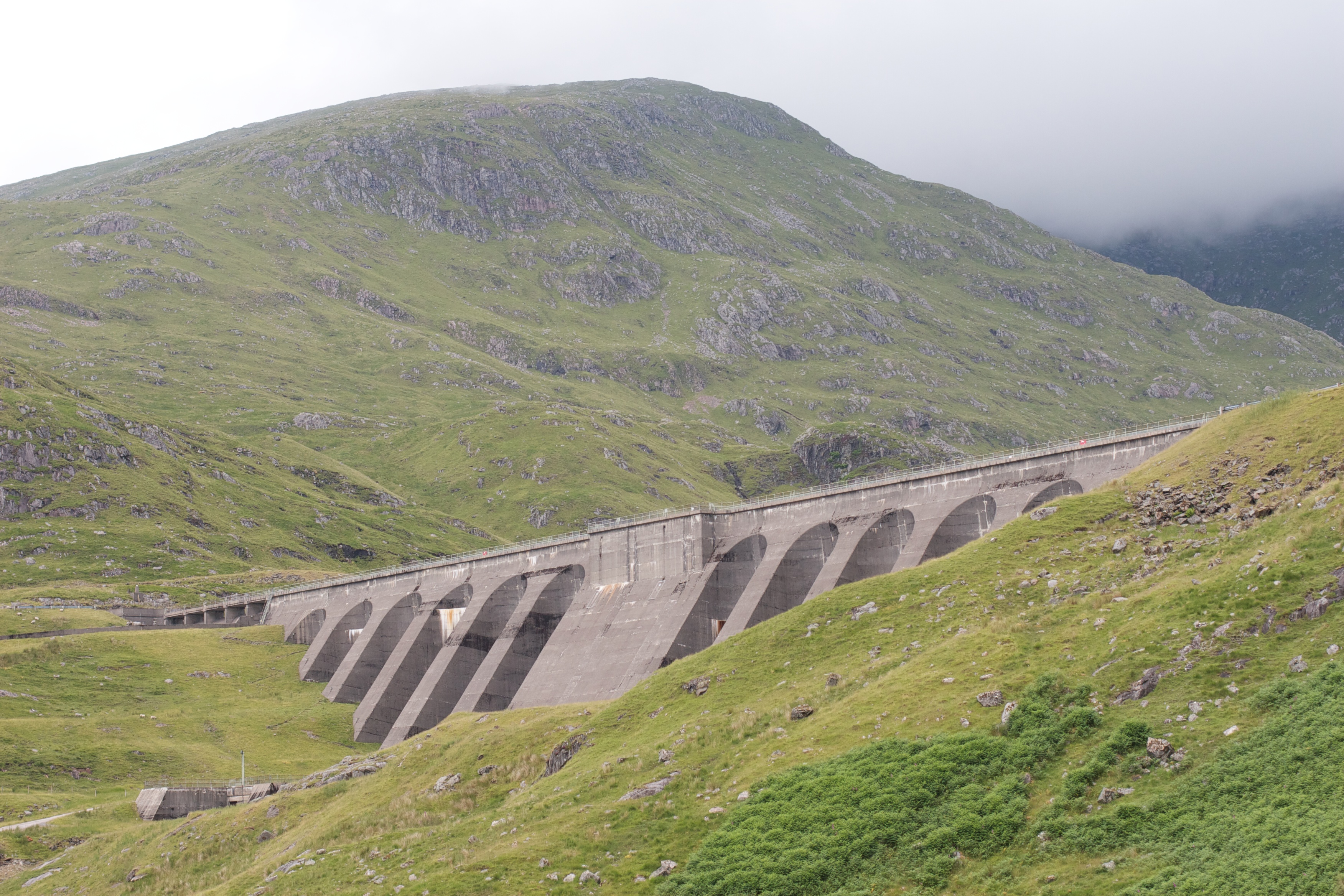
The most consequential pipeline projects are upstream of operation. SSE Renewables completed its GBP 100 million exploratory tunnelling at Coire Glas in the Scottish Highlands and is still awaiting a final investment decision on the 1.3 GW, 30 GWh scheme, with main construction able to start in the second half of 2026 if the Ofgem cap-and-floor allocation - a guaranteed revenue floor in exchange for a ceiling on returns - goes through. SSE is also preparing a 1.8 GW project at Loch Fearna with Gilkes Energy. Australia's Snowy 2.0 is past 70% construction complete, running on four tunnel-boring machines after the project added a fourth to recover schedule, with first power scheduled for the second half of 2027 and full commercial operation in December 2028 at a revised cost of AUD 12 billion.
Asia is where the new-build pipeline is genuinely large. China alone added 14.4 GW in 2024, including 7.75 GW of pumped storage, and broke ground in July 2025 on the 60 GW Medog cascade on the Yarlung Tsangpo - a single project larger than Europe's entire pumped-storage pipeline, with first power targeted for 2033. India's pipeline is moving as well: Adani Green Energy awarded Andritz the 1,800 MW Gandikota pumped-storage contract in September 2025, the third in a row after the 500 MW Chitravathi and 1,500 MW Tarali orders.
Turbine manufacturers and suppliers
Andritz Hydro's EUR 2.52 billion 2025 hydropower order intake was a company record, driven by pumped-storage and grid-stability projects, and pushed the group's order backlog to EUR 10.5 billion at year-end. The Q1 2026 print followed with a record EUR 3.6 billion group order intake, again with hydropower leading the line. The company operates from Graz, with regional offices across central Europe and manufacturing plants in India, China, and Brazil that serve the local pipelines.
Voith Hydro's Heidenheim headquarters and its global service network are running against a similar order book. The Grimsel 4 contract signed with KWO in April 2026 adds two variable-speed pump-turbines in the Swiss Alps; the Kruonis fifth unit in Lithuania is in commissioning. GE Vernova's hydro division and the two Chinese majors, Dongfang Electric and Harbin Electric, complete the global supplier set, with the Chinese pair dominant in Asian projects and increasingly competitive in tenders elsewhere.
For engineers and technicians, the order books translate into design-office hiring, manufacturing capacity expansions at sites like Andritz's Ravensburg plant in Germany, and a near-permanent set of field-service rotations to client sites. Modernisation work in particular runs in repeatable cycles: every Francis or Kaplan turbine generally faces a major overhaul every 15 to 25 years, and the wave of plants built in the 1960s and 1970s is now hitting its second or third refit cycle.
Where the jobs concentrate
Hydropower employment follows water and topography. The heaviest concentrations are in mountainous regions with high rainfall or snowmelt, and in countries that built large dam systems during the 20th century.
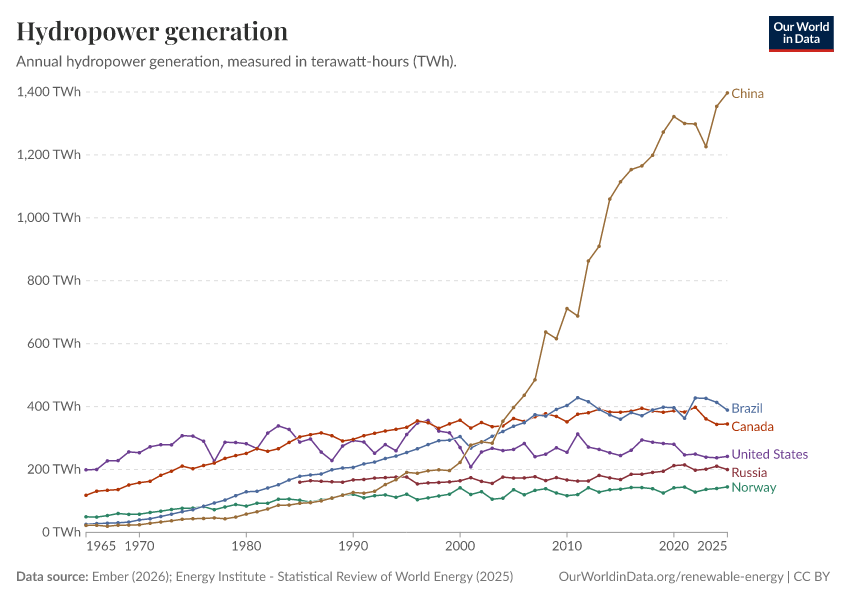
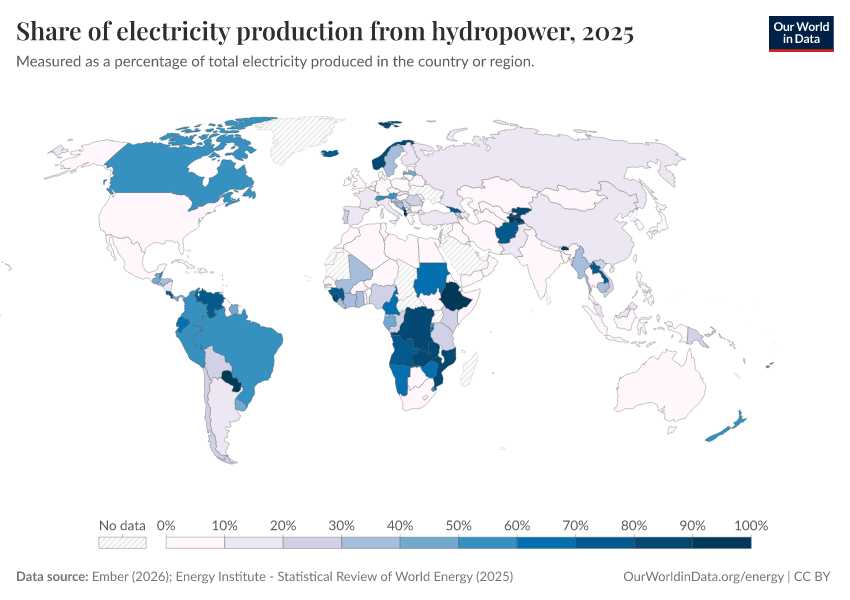
Norway is Europe's hydropower heavyweight, with 33.9 GW of installed capacity and close to 90% of national generation coming from water. Statkraft is Europe's largest renewable energy producer; Hafslund, Sira-Kvina, and a long tail of regional utilities run the rest of the fleet. NTNU in Trondheim hosts the world's leading hydropower engineering master's programme, and Norway is the centre of digital-twin and AI-driven condition-monitoring research alongside SINTEF.
Switzerland generates about three-fifths of its electricity from hydropower across some 700 plants totalling 16.6 GW, with the Alpine geography supporting both conventional and pumped storage. Axpo, Alpiq, BKW, and KWO are the principal employers. Salaries for hydropower engineering roles in Switzerland are among the highest in Europe.
Austria has about 14 GW of installed capacity and gets 60% of its electricity from water. VERBUND operates over 130 plants on the Danube, Inn, and Mur, including Limberg III, opened in 2025. TIWAG in Tyrol and Salzburg AG complete the major-utility set. Austria is also the European home of Andritz Hydro in Graz - the single most common entry point for central European engineers into the international hydropower industry.
Sweden is the EU's largest hydropower producer by generation at 16.5 GW of installed capacity, concentrated in the northern rivers. Vattenfall and Fortum/Uniper run most of the fleet. Like Norway, Sweden faces a generational turnover from plants built in the post-war decades.
France operates 25.5 GW of hydropower, some 20 GW of it through EDF, the largest single-utility hydropower portfolio in the EU. The Alps, Pyrenees, and Massif Central host the bulk of capacity. France is also pursuing pumped-storage expansion as part of its energy-transition strategy.
Turkey has scaled to roughly 32.5 GW, second only to Norway in Europe by installed capacity, with continued construction creating demand for civil engineering and project-management roles.
China dominates globally with over 420 GW of installed capacity, accounting for around a third of the world's hydropower workforce. The Three Gorges Dam at 22.5 GW remains the world's largest power station, and Medog will eclipse it from 2033. For European professionals, Dongfang Electric and Harbin Electric are increasingly relevant as equipment suppliers on international projects.
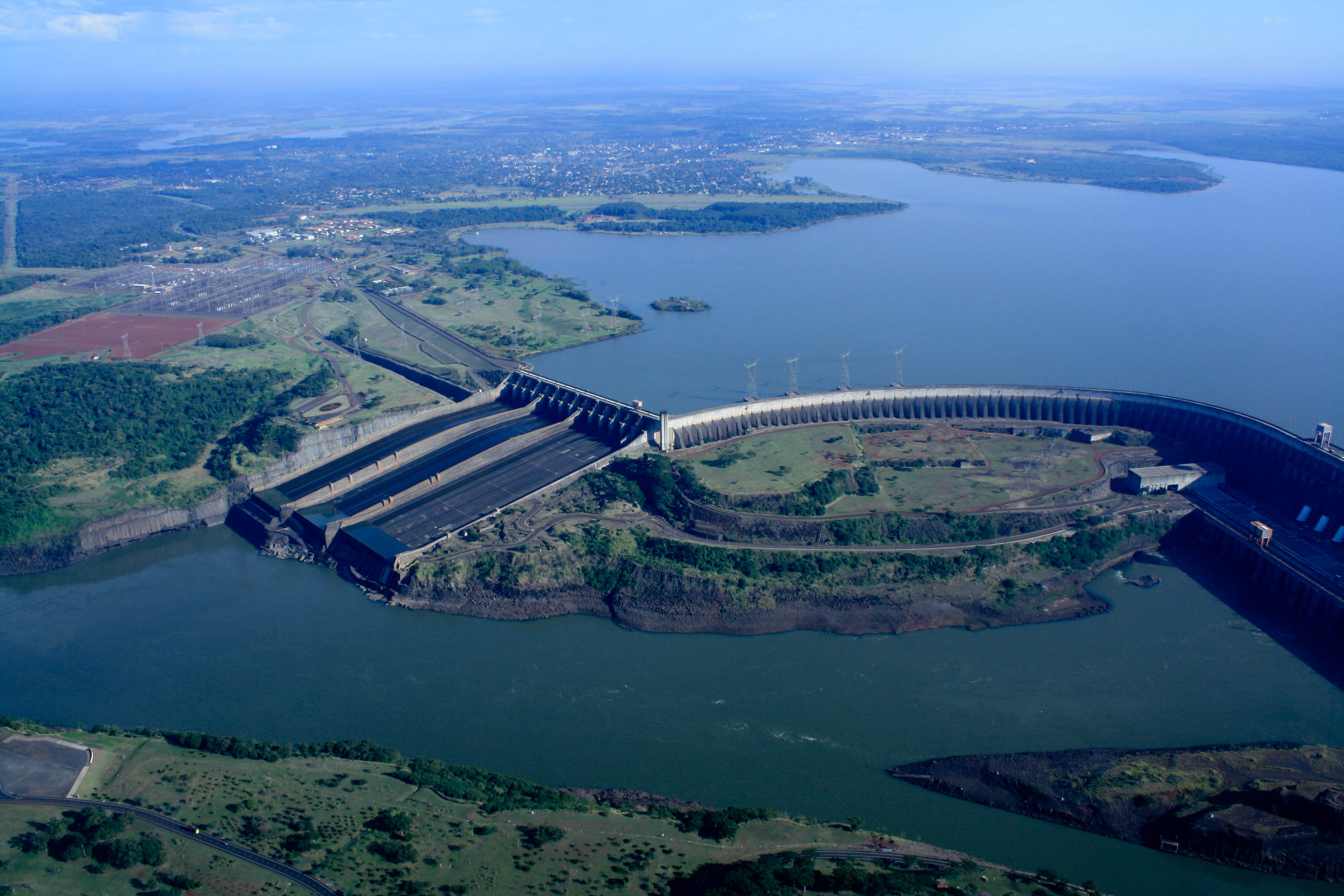
Brazil is the second-largest hydropower producer worldwide, anchored by Itaipu (14 GW, shared with Paraguay). Latin American projects recruit international specialists episodically, particularly for geotechnical engineering and environmental compliance.
The United States operates 102 GW of hydropower plus 22 GW of pumped storage, which generated 242 TWh in 2024 - around 6% of US electricity. Three federal operators do most of the heavy lifting. The Tennessee Valley Authority runs 29 hydroelectric dams across the Tennessee River system, producing about 14.5 TWh in a normal year. The Bonneville Power Administration markets the output of 31 federal hydro plants in the Pacific Northwest and employed roughly 3,100 people in early 2025, from substation operators to power-system engineers and federal energy traders. The US Bureau of Reclamation owns the headline assets, Hoover Dam and the 6.8 GW Grand Coulee, and contracts heavily with private engineering firms for refits. The hiring picture mirrors the European modernisation story closely: an ageing fleet (average plant age over 60 years), a shallow apprenticeship pipeline, and supply-chain bottlenecks on heavy steel castings.
The two equipment majors run North American operations from these markets. Voith Hydro's York, Pennsylvania plant employs around 350 people building Francis and Kaplan runners, head covers, and stator frames for plants across the continent - an IAM Local 1400 union shop that has taken close to USD 20 million in plant investment since 2019. Andritz Hydro covers the US from Charlotte, North Carolina (the long-standing US headquarters, opened in the 1990s) and a manufacturing site in Spokane, Washington. For European engineers, the practical implication is that mid-career moves from a Voith or Andritz site in Heidenheim, Graz, or Ravensburg to York, Charlotte, or Spokane are an established internal pathway, not an exotic one.
Canada is the world's third-largest hydropower producer by generation and the largest hydro employer per capita. The four provincial utilities run nearly the entire fleet. Hydro-Québec operates 36.9 GW of hydroelectric capacity across 62 generating stations on the La Grande, Manicouagan, and Saint-Maurice river systems, with roughly 22,800 employees - making it Canada's single largest electricity-sector workforce. BC Hydro runs 13.4 GW of mostly hydro capacity on the Peace and Columbia systems and completed the 1.1 GW Site C project on the Peace River in 2025. Manitoba Hydro reaches roughly 5.5 GW across the Nelson River fleet (Limestone, Long Spruce, Kettle, Keeyask) with around 5,500 staff at the end of fiscal 2024-25. Newfoundland and Labrador Hydro operates Churchill Falls (5,428 MW, 11 units) - the second-largest underground powerhouse in North America - whose output has flowed to Hydro-Québec under a fixed-price contract since 1969. The December 2024 MOU renegotiates that deal ahead of its 2041 expiry, sharply raising the price Newfoundland receives and pairing it with new co-developed generation on the river.
Andritz Hydro Canada in Pointe-Claire, Quebec is the primary equipment hub for both domestic refurbishment and the Hydro-Québec international development work. The career-implication for engineers is twofold: Canadian utilities are the largest single-language English market for Voith and Andritz alumni outside Europe, and the Quebec engineering schools (Polytechnique Montréal, McGill, UQTR) act as the main feeder pool into both Hydro-Québec's design offices and the consultancies serving the wider North American fleet. Cross-border project work - Quebec and Labrador power moving toward New England, BC Hydro and Bonneville coordinating on the Columbia River Treaty - keeps a steady flow of system-integration and regulatory roles open on both sides of the border.
Roles along the value chain
Hydropower careers differ from wind and solar in a structural way: the infrastructure lasts 50 to 100 years. The balance of employment tilts heavily toward operations, maintenance, and modernisation rather than new construction. In Norway, Switzerland, Austria, and Sweden, most hydropower jobs involve keeping existing systems running efficiently and meeting tightening environmental standards.
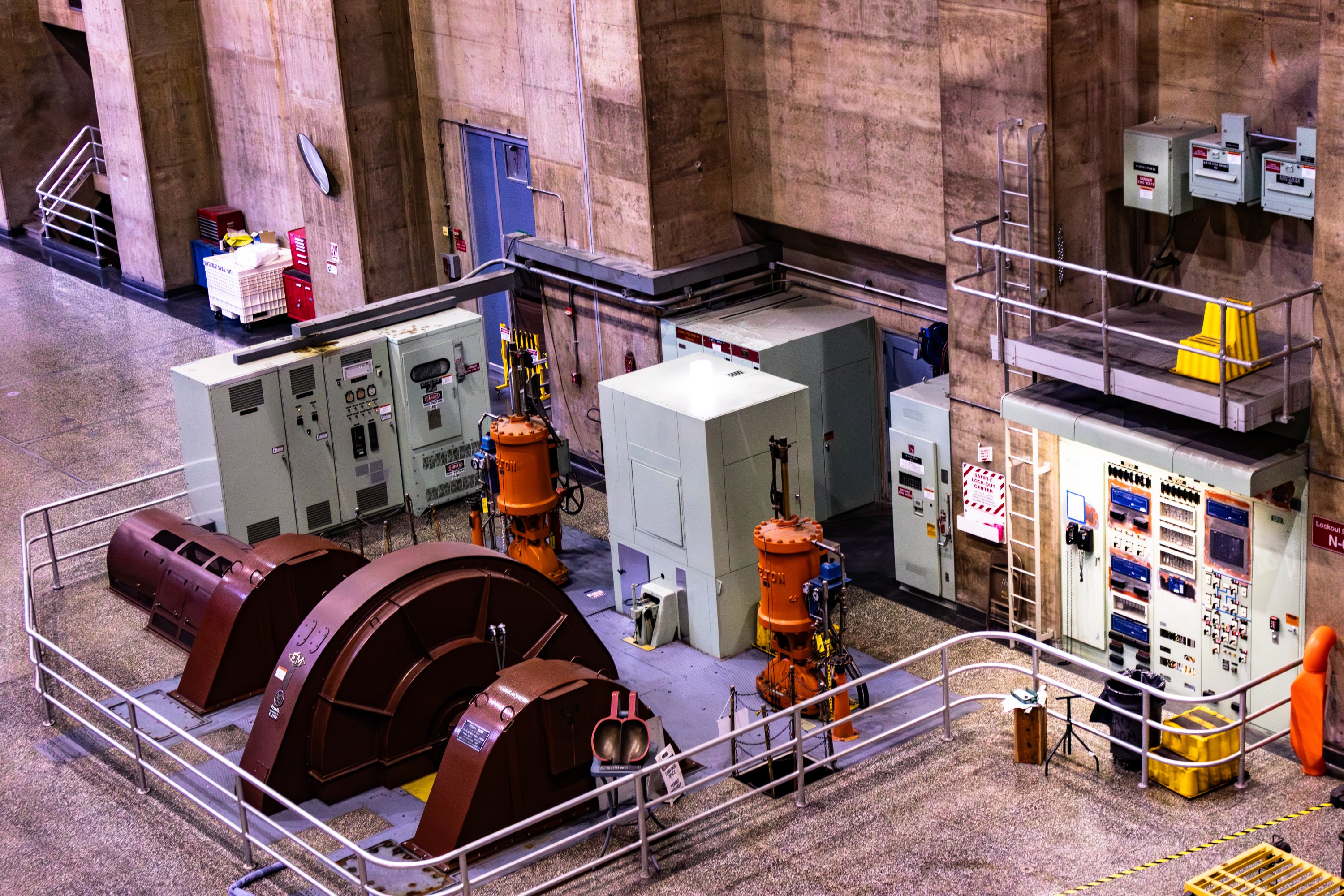
Dam, civil, and geotechnical engineering
Dam engineers design, assess, and maintain the concrete and earth structures that impound reservoirs. The work sits at the most consequential end of civil engineering: a structural failure is catastrophic. Dam safety engineers run periodic inspections, analyse seepage, settlement, and seismic monitoring data, and recommend remediation. EU national regulations typically require formal inspections every five to ten years by qualified engineers.
Geotechnical engineers assess foundation conditions, slope stability, and rock mechanics for new projects and refurbishments. Hydropower geotechnical work routinely involves underground construction - tunnels, caverns, and shafts - which demands skills beyond conventional geotechnical practice. The Snowy 2.0 cavern excavation, Nant de Drance's 600-metre-deep powerhouse, and Coire Glas's pre-construction tunnelling are the headline examples.
Hydrologists model water availability, flood risk, and reservoir operations. Their work is increasingly shaped by climate change: shifting precipitation, glacial retreat in Alpine catchments, and more extreme weather all affect plant output and safety margins. Statistical models, remote sensing, and machine-learning inflow forecasts are now standard tools.
Turbine and mechanical engineering
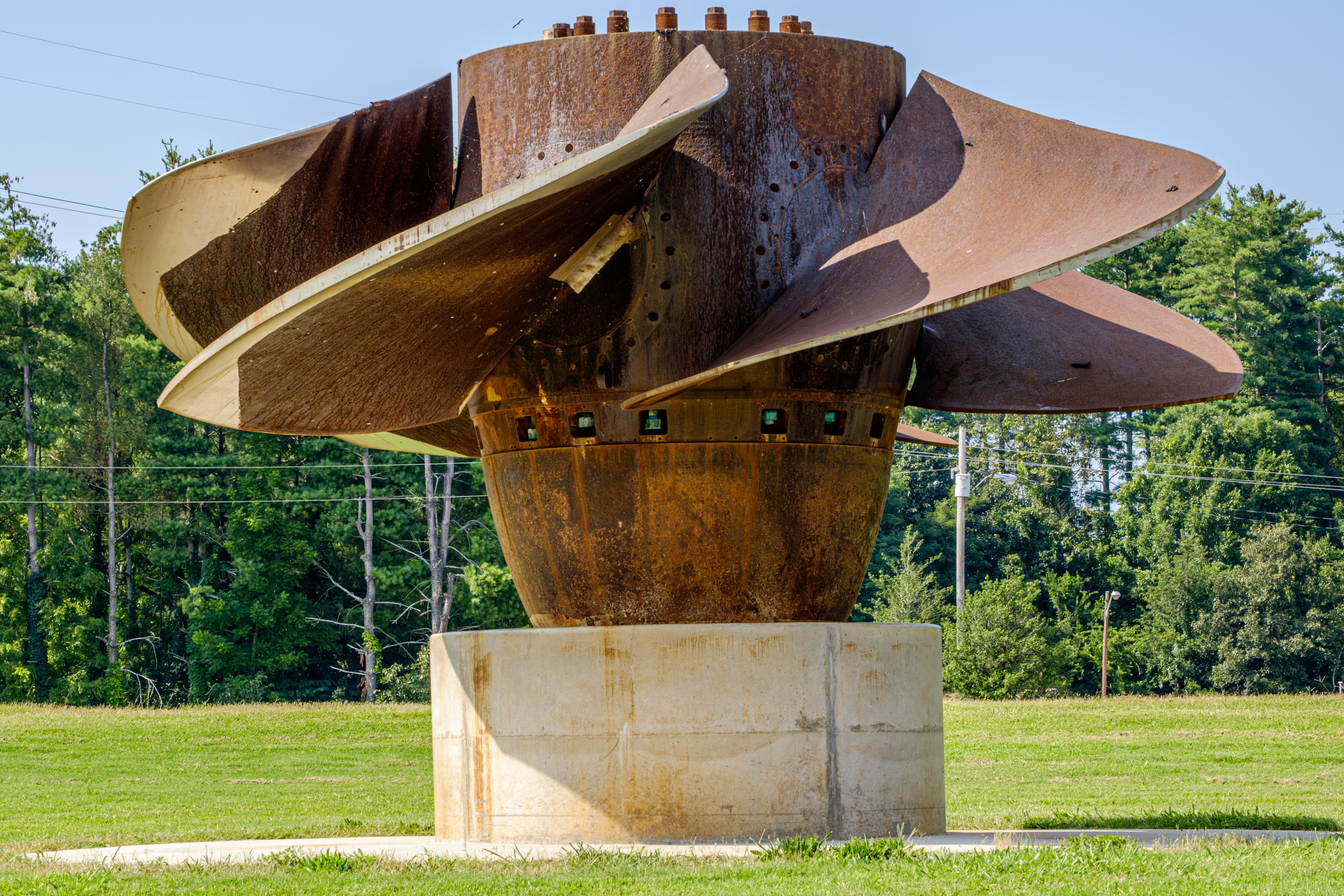
Turbine engineers work on the machine at the heart of the plant. Hydropower turbines (Francis, Kaplan, Pelton, bulb, and reversible pump-turbines for pumped storage) are bespoke: unlike wind turbines, large hydro machines are custom-designed for the specific head, flow, and operating regime of a single site. Engineers specialise in design, manufacturing, installation, or overhaul. Major manufacturers - Andritz Hydro in Graz, Voith Hydro in Heidenheim, GE Vernova - employ thousands across R&D, manufacturing, and field service.
Turbine operations technicians maintain and repair turbines, governors, bearings, seals, and auxiliary systems. The work is precision mechanical: alignment, balancing, welding, and machining. Major overhauls every 15 to 25 years can take months and involve disassembling multi-tonne components in confined underground spaces.
Electrical and grid engineering
Electrical engineers design and maintain generators, transformers, switchgear, protection, and control systems. Hydropower plants are increasingly valuable grid integration assets: they ramp output up and down in minutes (conventional) or tens of seconds (pumped storage), providing frequency regulation and spinning reserve - generation already synchronised to the grid and available on demand. As grids absorb more wind and solar, demand for engineers who understand both power systems and hydro-specific equipment is rising, with hydropower competing alongside battery-based energy storage for the long-duration share of the flexibility market.
Control-systems engineers work on SCADA, PLC, and DCS platforms. Many plants built in the 1960s to 1980s still run relay-based protection and analogue control, and the modernisation pipeline includes replacement with IEC 61850 digital systems, remote monitoring, and predictive analytics. This creates a parallel hiring track for automation and software engineers who pick up hydropower domain knowledge on the job.
Environmental and regulatory roles
Environmental management specialists address fish passage, sediment transport, minimum-flow requirements, and downstream water quality. The EU Water Framework Directive puts those obligations on a legal footing, and re-licensing an existing plant has become a multi-year process of impact assessments and public consultation.
Fish-passage engineers design and monitor fish ladders, bypass channels, and screening systems - a niche that combines hydraulic engineering with biology. Water management roles more broadly cover flood operations, irrigation coordination, and water-sharing agreements with other users.
Project development and finance
Project developers identify and advance new projects or major rehabilitations. In mature European markets the work is almost entirely small hydropower (under 10 MW), pumped storage, or upgrades of existing facilities. Greenfield large-dam construction is effectively closed in Europe.
Project managers coordinate civil, mechanical, electrical, and environmental teams across five-to-ten-year timelines. Complex underground works and remote locations add logistical pressure.
Salary overview
Hydropower remains one of the better-paid renewable-energy sectors. Bespoke machinery, structures whose failure is catastrophic, and asset lives measured in decades all push pay up. The European benchmarks for most engineers are Norway, Switzerland, and Austria; the UK is added below for the home market.
| Role | Norway (NOK) | Switzerland (CHF) | Austria (EUR) | UK (GBP) |
|---|---|---|---|---|
| Hydropower plant operator | 500,000 - 700,000 | 85,000 - 110,000 | 40,000 - 55,000 | 32,000 - 48,000 |
| Dam / civil engineer | 600,000 - 850,000 | 100,000 - 140,000 | 50,000 - 70,000 | 45,000 - 75,000 |
| Turbine engineer (mechanical) | 580,000 - 800,000 | 95,000 - 130,000 | 48,000 - 68,000 | 42,000 - 72,000 |
| Electrical / control-systems engineer | 600,000 - 900,000 | 100,000 - 140,000 | 50,000 - 75,000 | 45,000 - 80,000 |
| Hydrologist | 550,000 - 750,000 | 90,000 - 120,000 | 45,000 - 65,000 | 38,000 - 62,000 |
| Environmental / fish-passage specialist | 500,000 - 700,000 | 85,000 - 115,000 | 42,000 - 60,000 | 35,000 - 55,000 |
| Project manager | 700,000 - 1,000,000 | 120,000 - 160,000 | 60,000 - 90,000 | 55,000 - 95,000 |
Annual gross ranges based on 2024-2025 data from SalaryExpert, Glassdoor and ERI. Norway and Switzerland command premium salaries reflecting high cost of living and strong demand. Shift premia on operator roles (typically 15-25%) are excluded. Approximate conversions: 1 EUR = 10.9 NOK, 1 CHF = 1.06 EUR, 1 GBP = 1.17 EUR.
A second component of European hydropower compensation is short-term mobility on modernisation contracts. Service specialists who spend weeks each year on Andritz or Voith refits in Norway, Switzerland, Italy, or France typically add 30-50% to base salary through day-rate work plus per diems. For engineers carrying internationally recognised qualifications (Eurocodes, IEC 61850), that dual-track work is now the norm rather than the exception.
Working conditions
The day-to-day reality of hydropower work is underground, remote, and shift-based, with several constants setting the sector apart from wind, solar, and grid-side jobs.
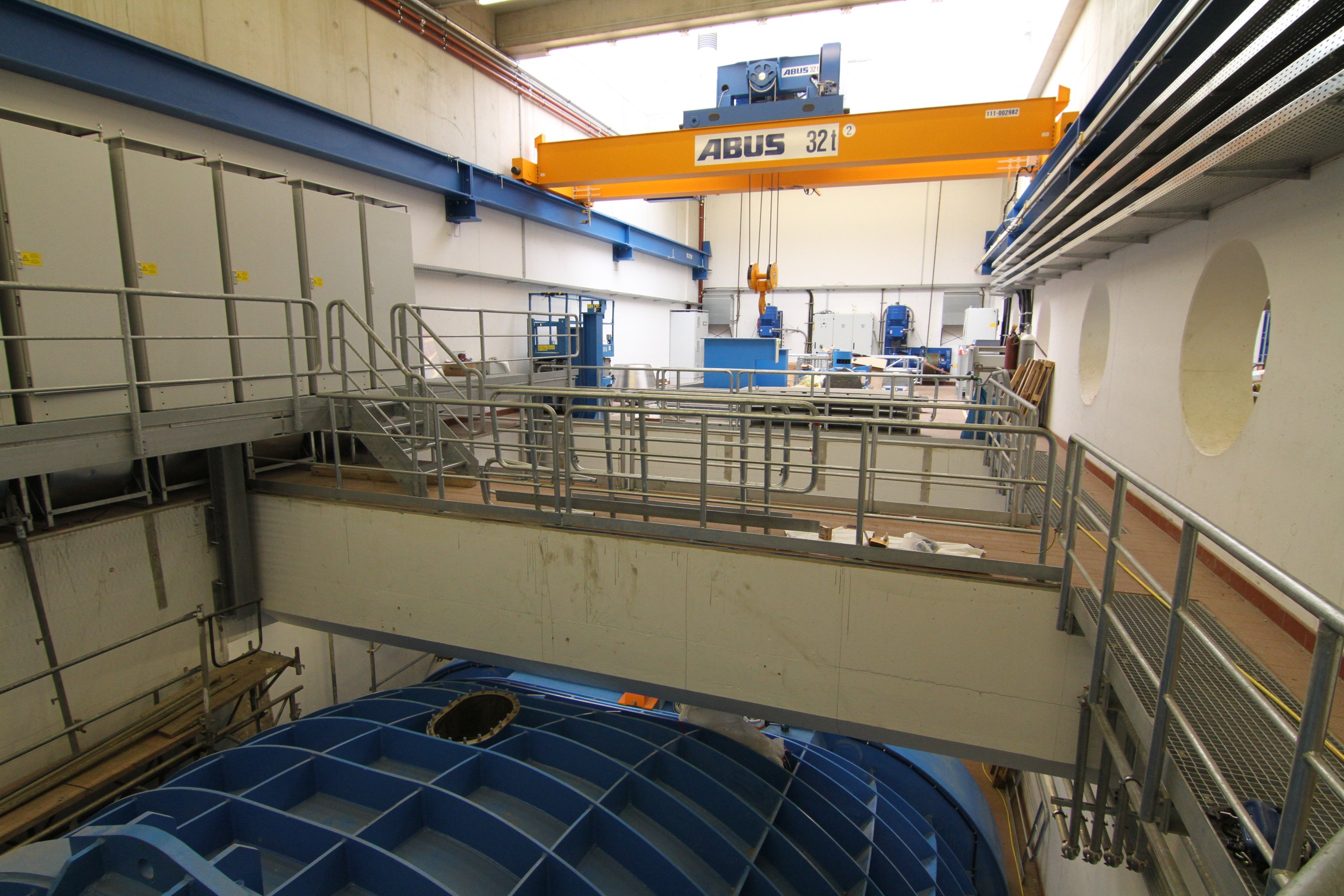
Plants are remote. Alpine powerhouses, Scandinavian river systems, and highland reservoirs sit far from major cities. Some dam sites are accessible only by unsealed roads or cable cars. Operators and maintenance technicians either live in small communities near the plant or commute long distances. Many engineers cite the location as a draw rather than a hardship, but it filters out candidates who want urban life.
Underground work is routine. Powerhouses, access tunnels, and penstocks - the pressure shafts that drop water onto the turbines - are excavated deep inside Alpine and Scandinavian mountains. Working in those environments requires comfort with confined spaces, specialist safety training, and awareness of rock-mechanics hazards.
Operators work shifts. Large plants run 24/7 and require rotating shifts for control-room operators and on-call maintenance staff. Smaller run-of-river plants are increasingly operated remotely, with technicians dispatched from a regional base.
Seasonality is hydrological, not solar. Generation in snow-fed systems peaks in late spring and summer during snowmelt. Major overhauls are scheduled in low-water periods, typically late summer or autumn, when the opportunity cost of an outage is lowest. Flood-management workload concentrates in spring and during heavy rainfall events.
Office roles offer hybrid flexibility. Design engineers, hydrologists, environmental specialists, and project managers split time between office, site visits, and home working. Andritz Hydro and Voith have engineering offices in Graz, Vienna, Zürich, Heidenheim, and Ravensburg with hybrid arrangements standard.
Diversity gaps persist. According to the World Bank ESMAP report, women make up roughly 25% of the global hydropower workforce - below the 32% renewables average. Representation is materially lower in technical and operational roles. Industry initiatives are running but progress is slow.
Key employers
Utilities and operators
- Statkraft - Norway; Europe's largest renewable energy producer, operating some 360 hydropower plants worldwide.
- VERBUND - Austria; over 130 plants, 9.1 GW of hydropower, opened Limberg III at Kaprun in 2025.
- EDF - France; around 20 GW of hydro across the Alps, Pyrenees, and Massif Central; largest single-utility EU portfolio.
- Vattenfall - Sweden; around 8.5 GW across the northern river systems.
- Axpo, Alpiq, BKW - Switzerland; Alpine fleets including Nant de Drance (operated by Alpiq).
- KWO Kraftwerke Oberhasli - Switzerland; operator of the Grimsel scheme, client for the Voith Grimsel 4 pumped-storage contract.
- SSE Renewables - UK; operator of Foyers and developer of the 1.3 GW Coire Glas scheme in the Scottish Highlands.
- RWE - Luxembourg; operates the 1,296 MW Vianden pumped-storage plant.
- Snowy Hydro - Australia; building the AUD 12 billion Snowy 2.0 pumped-storage project.
- Fortum/Uniper - Finland/Sweden; Nordic and central European hydro portfolio.
- Enel - Italy; Alpine and Apennine hydropower fleets.
- Iberdrola - Spain; operator of Iberian hydro and the Tamega pumped-storage complex in northern Portugal.
Equipment manufacturers
- Andritz Hydro - Austria (Graz); turbines, generators, and automation for plants from 0.3 to 800 MW; record EUR 2.52 billion hydropower order intake in 2025.
- Voith Hydro - Germany (Heidenheim); one of the oldest hydro equipment companies; landed Grimsel 4 in April 2026 and is delivering the Kruonis fifth unit in Lithuania.
- GE Vernova Hydro - France/global; full turbine and generator portfolio across conventional and pumped storage.
- Dongfang Electric and Harbin Electric - China; dominant in Asian projects and increasingly competitive elsewhere.
- Mavel - Czech Republic; designs and manufactures Kaplan, Francis, and Pelton turbines from 30 kW to 30 MW; over 100 turbine designs in service across 40+ countries.
Engineering consultancies
- Norconsult - Norway; major hydropower practice across Scandinavia and East Africa.
- Multiconsult - Norway; dam safety, hydropower design, and Norwegian regulatory work.
- AFRY - Finland/Sweden; global engineering and consultancy with strong hydropower division (the former Pöyry hydro practice).
- Tractebel - Belgium/France; international hydropower engineering for ENGIE projects and third-party clients.
- ILF Consulting Engineers - Austria; large infrastructure including hydropower and pumped storage.
- Stucky/Gruner - Switzerland; long tradition of dam and hydropower engineering.
Entry routes
Engineering pathways
The most direct route is a university degree in civil, mechanical, or electrical engineering followed by hydropower specialisation. Two programmes stand out:
- NTNU Hydropower Development in Trondheim, Norway - a two-year English-language master's covering dam engineering, turbine technology, hydrology, and environmental aspects, free for EU/EEA students. The most direct route into Norwegian utilities and the Scandinavian consultancy market.
- TU Graz Geotechnical and Hydraulic Engineering in Austria - a four-semester English-language master's covering hydraulic engineering, river-basin management, and flood risk.
Beyond dedicated programmes, degrees in geotechnical, hydraulic, and water-resources engineering all provide relevant foundations. TU München's Wasserbau chair and EPF Lausanne's hydraulic-constructions laboratory are well-known feeders into central European hydro engineering.
Technical and operational roles
Plant operators typically come from electrical or mechanical trade backgrounds. In Switzerland, the relevant apprenticeship is Anlagenführer/in EFZ with a power-generation specialisation. In Norway, vocational training in automation and electrical trades leads to operator positions. On-the-job training is extensive, since each plant has its own characteristics, and most operators run 12-to-18-month internal development programmes for new entrants before unsupervised shift work.
Transitions from adjacent sectors
Construction and civil engineering. Dam engineers, tunnel engineers, and heavy civil contractors transfer with the shortest learning curve. The additional content is hydropower-specific regulation (national dam safety codes, EU Water Framework Directive) and hydrology basics.
Oil and gas. Process engineers, rotating-equipment specialists, and project managers transfer well, with the caveat that hydropower operates on much longer timescales and lower margins. Engineers from the North Sea cluster, the Groningen field workforce, and Polish refining have all moved into central European hydropower modernisation work.
Water utilities. Professionals from water treatment and supply bring hydraulic-system, pump, valve, and environmental-regulation experience that applies directly. National catchment authorities and large urban water companies are an underrated reservoir of qualified candidates.
IT and software. Digitalisation of SCADA, predictive maintenance, and digital twins creates roles for software developers, data engineers, and ML specialists. Prior hydropower experience is not required; Python, time-series databases, cloud infrastructure, and a working understanding of plant physics is the entry profile. NTNU and SINTEF are at the research edge; Andritz, Voith, and the major utilities pick up trained engineers on the manufacturer side.
The IHA estimates that modernisation alone can lift output from existing plants by 5-10% without building new dams. Against a pumped-storage pipeline north of 600 GW, a USD 127 billion modernisation envelope through 2030, and a workforce losing institutional knowledge at the rate the demographic data implies, the hiring floor in European hydropower is set for at least two decades. The new builds will sit in Asia; the modernisation will sit in Europe; and the people who learn the equipment now will run the European fleet through to 2050.

.jpg)


