
Renewable energy jobs · GIS
-
Expired
 Houston, Texas, United States + 6 locationsFlexible Full time More than 3 months agoFrom US$110,000 annually
 -
Expired
 Denver, Colorado, United StatesHybrid Internship More than 3 months agoUS$22–26 hourly
 -
Expired
Houston, Texas, United States + 6 locationsFlexible Full time More than 3 months agoFrom US$110,000 annually
-
Expired
 New Delhi, IndiaOn-site Internship More than 3 months ago
 -
Expired
 United KingdomHybrid Full time More than 3 months ago
 -
Expired
United KingdomFlexible Full time More than 3 months ago
-
Expired
 Milan, Italy + 1 locationFlexible Full time More than 3 months ago
 -
Expired
 Glasgow, Scotland, United KingdomHybrid Full time More than 3 months ago£53,280–66,600 annually
 -
Expired
 Cooma, AustraliaOn-site Full time More than 3 months ago
 -
Expired
 Toronto, Ontario, CanadaHybrid Full time More than 3 months ago
 -
Expired
Toronto, Ontario, CanadaHybrid Full time More than 3 months ago
-
Expired
 BelgiumOn-site Full time More than 3 months ago
Geographic Information Systems (GIS) in Renewable Energy
Geographic Information Systems (GIS) play a crucial role in the renewable energy sector by providing spatial data analysis and mapping capabilities. GIS technology is used to assess potential sites for renewable energy projects, analyze environmental impacts, and optimize resource management. It is relevant across various renewable sectors, including solar energy, wind farms, and hydropower.
Typical Responsibilities
Professionals working with GIS in renewable energy are responsible for collecting and analyzing spatial data, creating detailed maps, and conducting site suitability analyses. They may also be involved in environmental impact assessments and resource management planning. GIS specialists often collaborate with engineers and project managers to ensure that renewable energy projects are optimally located and designed.
Required Skills and Qualifications
A career in GIS typically requires a degree in geography, environmental science, or a related field. Proficiency in GIS software such as ArcGIS or QGIS is essential. Analytical skills, attention to detail, and the ability to interpret complex data sets are also important. Certifications in GIS or related technologies can enhance job prospects.
Impact on Renewable Energy Projects
GIS technology supports the growth and efficiency of renewable energy projects by enabling precise site selection and resource management. It helps in minimizing environmental impacts and optimizing the use of natural resources, thereby contributing to the sustainability and profitability of renewable energy initiatives.
Industry Trends and Market Demand
The demand for GIS professionals in renewable energy is growing as the industry increasingly relies on data-driven decision-making. The integration of GIS with other technologies, such as IoT and machine learning, is a notable trend, enhancing predictive analytics and operational efficiency.
Career Opportunities and Pathways
GIS offers a range of career opportunities, from entry-level GIS technicians to senior GIS analysts and project managers. Professionals can advance into roles that involve strategic planning and decision-making or transition into related fields such as environmental management or urban planning.
Examples of Real-World Applications
Smaller companies like MapStand and startups such as GeoPard are leveraging GIS technology to provide innovative solutions in site analysis and resource management for renewable energy projects. These applications demonstrate the versatility and importance of GIS in the industry.
Challenges and Future Directions
Challenges in the GIS field include the need for continuous skill development due to rapidly evolving technology. However, as renewable energy projects expand globally, the demand for GIS expertise is expected to grow, offering opportunities for innovation in areas like smart grid development and climate adaptation.
Last updated on Apr 3, 2026 | Report an issue
Get job alerts
Get alerts for GIS jobs
Join Talent Pool
Let clean energy employers find you
Featured jobs




Renewable energy blog posts
-

Renewable Energy Forecast for 2030
By 2030, renewables are poised to supply nearly half of global electricity, with solar and wind leading this explosive expansion. In this data-driven piece, we explore job creation forecasts, supply chain bottlenecks, and policy hurdles. -

Fastest Growing Renewable Energy Sector: Data and Trends
In 2023, solar photovoltaics surged by 32.59%, officially making it the fastest-growing renewable energy source worldwide. Yet offshore wind, which soared by 57.87% in 2021, remains a formidable competitor in total electricity output due to its high capacity factor. This concise overview highlights how policy incentives, cost reductions, and manufacturing advances are propelling solar to the forefront of the global energy transition. -
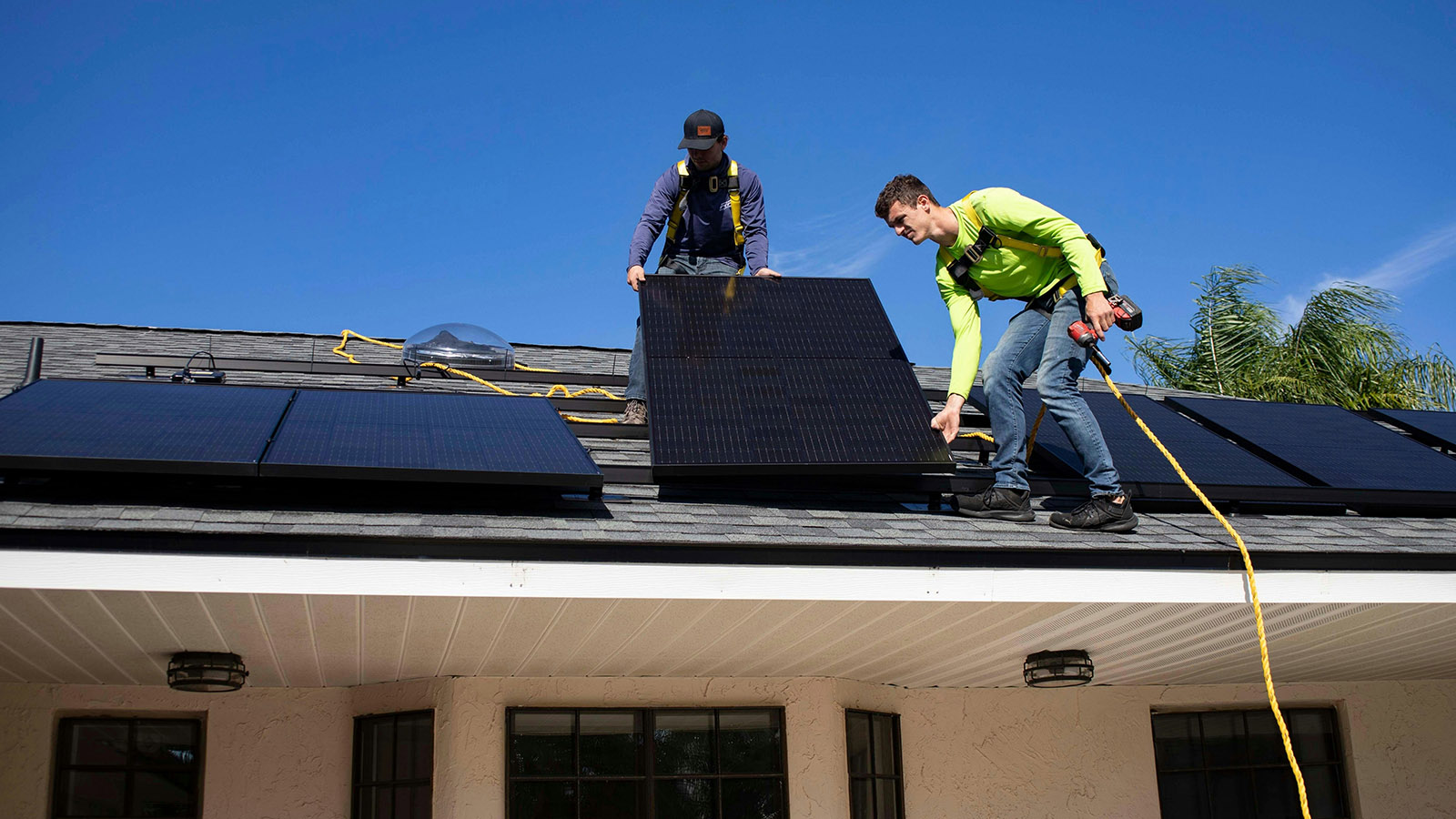
Career Opportunities in Solar Energy
The solar energy sector is experiencing unprecedented growth, with over 7.1 million jobs in solar PV alone as of 2023. For professionals considering a career shift into renewable energy, solar offers pathways across R&D, manufacturing, project development, and operations.
