
Renewable energy jobs · Grid Integration
-
 Flexible Full time A day ago
 -

-
Flexible Full time 2 days ago
-
 Flexible Full time 2 days ago
 -
 Aachen, Germany + 1 locationFlexible Full time 2 days ago
 -

-
 On-site Full time 2 days ago
 -

-

-

-
 Hybrid Full time 2 days ago
 -

-
 United Kingdom + 3 locationsRemote Full time 2 days ago
Grid Integration Jobs in Renewable Energy
Grid integration specialists manage the technical and regulatory process of connecting renewable generation assets to electrical networks - designing interconnection systems, modelling power flows, and ensuring that variable output from wind and solar plants does not destabilise grid frequency or voltage. In Europe alone, 1,700 GW of renewable and hybrid projects were waiting for grid connections across 16 countries in 2024, a backlog that has turned grid integration from a niche engineering function into one of the most acute bottlenecks in the energy transition.
Why grid integration has become the binding constraint
The gap between installed renewable capacity and the grid's ability to absorb it is widening. In 2024, European grid bottlenecks forced the curtailment of 72 TWh of renewable electricity - energy that was generated but could not be delivered - at an estimated cost of €8.9 billion. In the United States, more than 2,600 GW of proposed generation and storage sat in transmission operator queues by late 2024, more than twice the country's entire installed capacity. The median time from interconnection request to commercial operation has doubled over the past decade to more than four years.
These numbers explain the hiring pressure. Grid integration roles exist because building a wind farm or solar park is now the straightforward part - connecting it to the grid, reliably and within regulatory timelines, is where projects stall or fail.
What the work involves
Grid integration professionals operate at the intersection of power systems engineering, regulatory affairs, and project development. Day-to-day work varies by employer and seniority but typically includes power flow and stability studies, protection coordination, interconnection application management, and compliance with grid codes. At transmission system operators like Elia Grid International, the focus is on system-wide planning - modelling how new generation assets affect network stability across borders. At developers like EDP Renewables or NextEra Energy, grid integration engineers manage the connection process from feasibility through commissioning, often spending months negotiating technical requirements with grid operators.
The most in-demand specialisation within grid integration is HVDC (high-voltage direct current) systems engineering. Over 30% of new European transmission capital expenditure is now directed at HVDC links, driven by offshore wind integration and long-distance cross-border power flows. Germany's SuedLink project alone - a 700-kilometre HVDC corridor from Schleswig-Holstein to Bavaria - represents a $10.7 billion investment by TenneT.
Where employers are hiring
Grid integration hiring is concentrated around transmission infrastructure hubs. Berlin and Hamburg lead in continental Europe, reflecting Germany's position as the largest grid infrastructure investor on the continent. Brussels hosts roles at pan-European bodies and consultancies like Elia Grid International. In the US, Houston and San Francisco dominate, while London remains the centre for UK grid work, where the "Great Grid Upgrade" is projected to create up to 55,000 jobs across the infrastructure supply chain.
Employer types span the full value chain: transmission system operators (TransGrid in Australia, Elia in Europe), engineering consultancies (Ulteig in North America), grid technology companies (Gridware), energy storage integrators (Energy Vault), and renewable developers managing their own grid connection processes.
Roles and skill combinations that command premiums
Common titles include Grid Integration Engineer, Power System Planning Expert, Lead Grid and Transmission Engineer, and Commissioning Engineer. HVDC expertise commands the highest premiums - Elia Grid International alone lists roles from junior through senior expert level in HVDC. Power systems modelling tools (PSS/E, PowerFactory, PSCAD) are near-universal requirements, and familiarity with SCADA systems and protection and control adds significant value.
The intersection of grid integration with energy storage is a particularly fast-growing niche. Battery energy storage systems (BESS) require grid integration engineers who understand both power electronics and market dispatch - a combination that was rare five years ago and is now actively recruited for across Europe and the US. The EU's Grids Package, adopted in December 2025, is expected to accelerate permitting for both grid modernization and transmission and distribution projects, further increasing demand for professionals who can navigate the technical and regulatory sides of grid access simultaneously.
Last updated on Apr 14, 2026 | Report an issue

Get job alerts
Get alerts for Grid Integration jobs
Join Talent Pool
Let clean energy employers find you
Featured jobs




Renewable energy blog posts
-

Renewable Energy Forecast for 2030
By 2030, renewables are poised to supply nearly half of global electricity, with solar and wind leading this explosive expansion. In this data-driven piece, we explore job creation forecasts, supply chain bottlenecks, and policy hurdles. -

Fastest Growing Renewable Energy Sector: Data and Trends
In 2023, solar photovoltaics surged by 32.59%, officially making it the fastest-growing renewable energy source worldwide. Yet offshore wind, which soared by 57.87% in 2021, remains a formidable competitor in total electricity output due to its high capacity factor. This concise overview highlights how policy incentives, cost reductions, and manufacturing advances are propelling solar to the forefront of the global energy transition. -
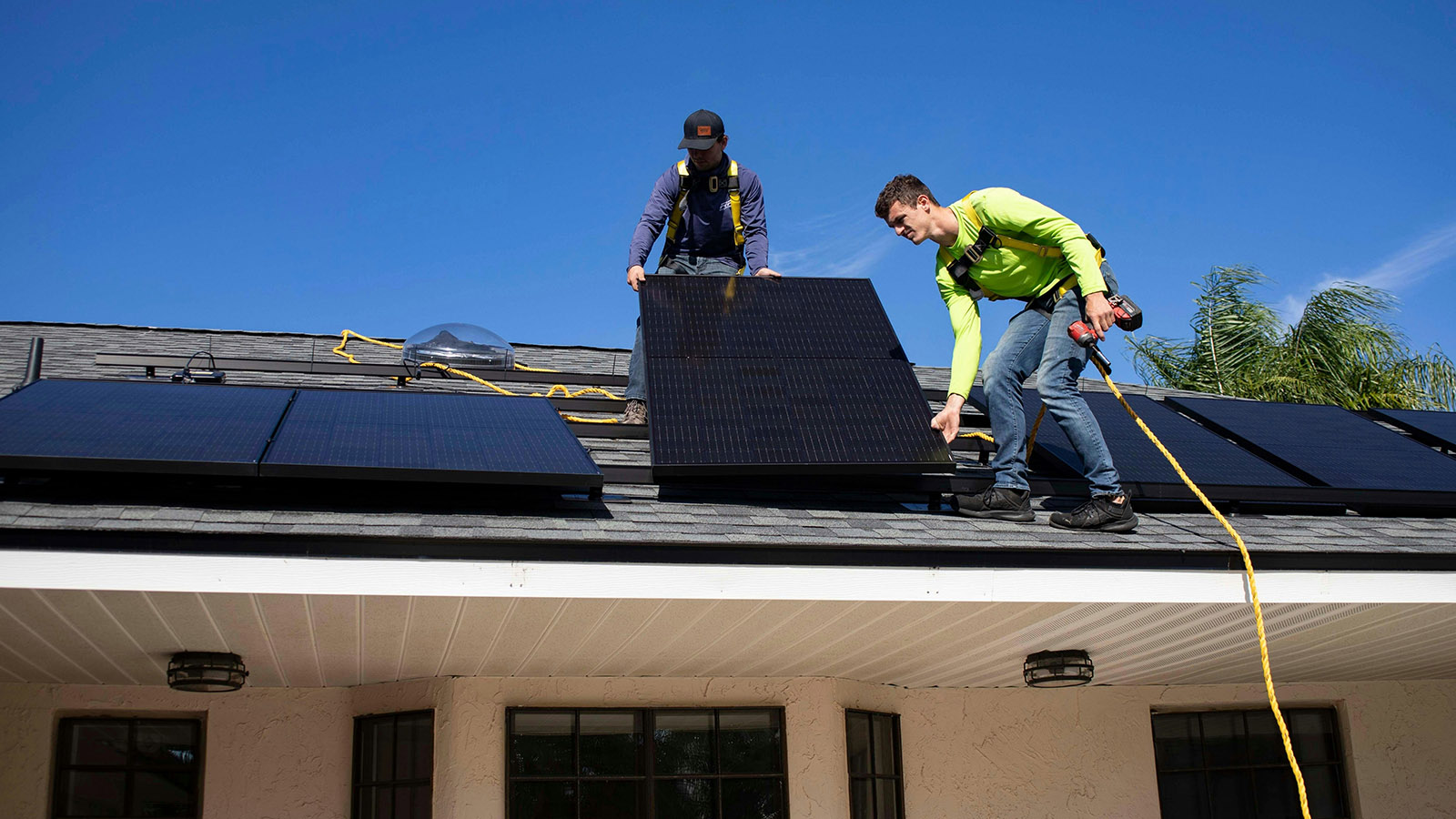
Career Opportunities in Solar Energy
The solar energy sector is experiencing unprecedented growth, with over 7.1 million jobs in solar PV alone as of 2023. For professionals considering a career shift into renewable energy, solar offers pathways across R&D, manufacturing, project development, and operations.
