
Renewable energy jobs · Analytics
-

-
-
 Hybrid Full time A day ago
 -
 Flexible Full time A day ago
 -
 On-site Full time A day ago
 -
 On-site Full time A day ago
 -

-
 Edinburgh, Scotland, United Kingdom + 2 locationsHybrid Full time A day ago£90,000–114,000 annually
 -
 Flexible Full time A day ago
 -
 On-site Full time A day ago
 -
 Hybrid Full time A day ago
 -
Kuala Lumpur, Malaysia + 1 locationFlexible Full time A day ago
-
 On-site Full time A day ago
 -
 On-site Full time A day ago
 -
 On-site Full time A day ago
Analytics Jobs in Renewable Energy
Analytics professionals in renewable energy collect, model, and interpret operational and market data to improve how energy assets perform, how power is traded, and where new projects should be built. The big data analytics market in the energy sector is projected to grow from USD 10.6 billion in 2025 to USD 18 billion by 2030, driven by the sheer volume of data flowing from smart meters, SCADA systems, and weather stations.
What distinguishes analytics work in renewables from analytics in, say, retail or fintech is the physical complexity. A wind farm's output depends on atmospheric conditions that change by the minute, grid constraints that vary by region, and power purchase agreements that lock in prices years ahead. Analysts must combine meteorological data, asset telemetry, and market signals into models that inform real investment decisions - not just dashboards.
What the roles look like
The most common job titles on Rejobs reflect this breadth: Data Analyst, Business Analyst, Data Scientist, Data Engineer, Energy Analyst, and Financial Analyst. These titles cover distinct skill sets. A data engineer building ETL pipelines for turbine sensor data works differently from a business analyst modelling the commercial viability of a solar portfolio, but both fall under the analytics umbrella. Senior roles increasingly require domain expertise - understanding capacity factors, curtailment patterns, or balancing market mechanics - alongside technical proficiency in Python, SQL, and BI tools like Power BI or Tableau.
Who is hiring
Large utilities and IPPs dominate hiring. Vattenfall, EnBW, and Octopus Energy each maintain sizeable analytics teams to manage growing renewable portfolios. Grid operators like Enexis need analysts to handle network load forecasting as distributed generation grows. Pure-play renewables developers such as EDP Renewables, BayWa r.e., and SSE Renewables hire analysts for resource assessment, asset performance monitoring, and energy trading. Software-led companies like Uplight and Landis+Gyr - one of the largest smart metering providers globally - recruit data engineers and data scientists to build the platforms that utilities then rely on.
Berlin, London, Hamburg, Amsterdam, and Houston are the strongest hiring locations, reflecting the concentration of European energy headquarters and the US energy trading hub.
The skills gap
The IEA's World Energy Employment 2025 report found that over 50% of energy firms face severe hiring bottlenecks, with applied technical roles hardest to fill. Analytics sits at the intersection of this shortage: employers need people who understand both data infrastructure and energy systems, and that combination is genuinely scarce. Industry surveys suggest nearly half of energy firms struggle to recruit staff with both analytics and engineering expertise.
Where the field is heading
Three trends are reshaping analytics roles in renewables. First, AI and machine learning are moving from experimental to operational - predictive maintenance models that flag turbine faults before they happen, or algorithms that optimise battery dispatch in real time. Second, the growth of distributed energy resources - rooftop solar, home batteries, EVs - is multiplying the number of data points that need to be ingested and acted on. Third, energy trading desks are hiring quantitative analysts to price renewable power in increasingly complex markets where weather-dependent supply meets volatile demand.
Analysts who pair strong data engineering skills with genuine understanding of power systems, grid operations, or energy markets command the highest premiums - and remain the hardest profiles for employers to find.
Last updated on Sep 11, 2026 | Report an issue
Get job alerts
Get alerts for Analytics jobs
Join Talent Pool
Let clean energy employers find you
Featured jobs




Renewable energy blog posts
-

Renewable Energy Forecast for 2030
By 2030, renewables are poised to supply nearly half of global electricity, with solar and wind leading this explosive expansion. In this data-driven piece, we explore job creation forecasts, supply chain bottlenecks, and policy hurdles. -

Fastest Growing Renewable Energy Sector: Data and Trends
In 2023, solar photovoltaics surged by 32.59%, officially making it the fastest-growing renewable energy source worldwide. Yet offshore wind, which soared by 57.87% in 2021, remains a formidable competitor in total electricity output due to its high capacity factor. This concise overview highlights how policy incentives, cost reductions, and manufacturing advances are propelling solar to the forefront of the global energy transition. -
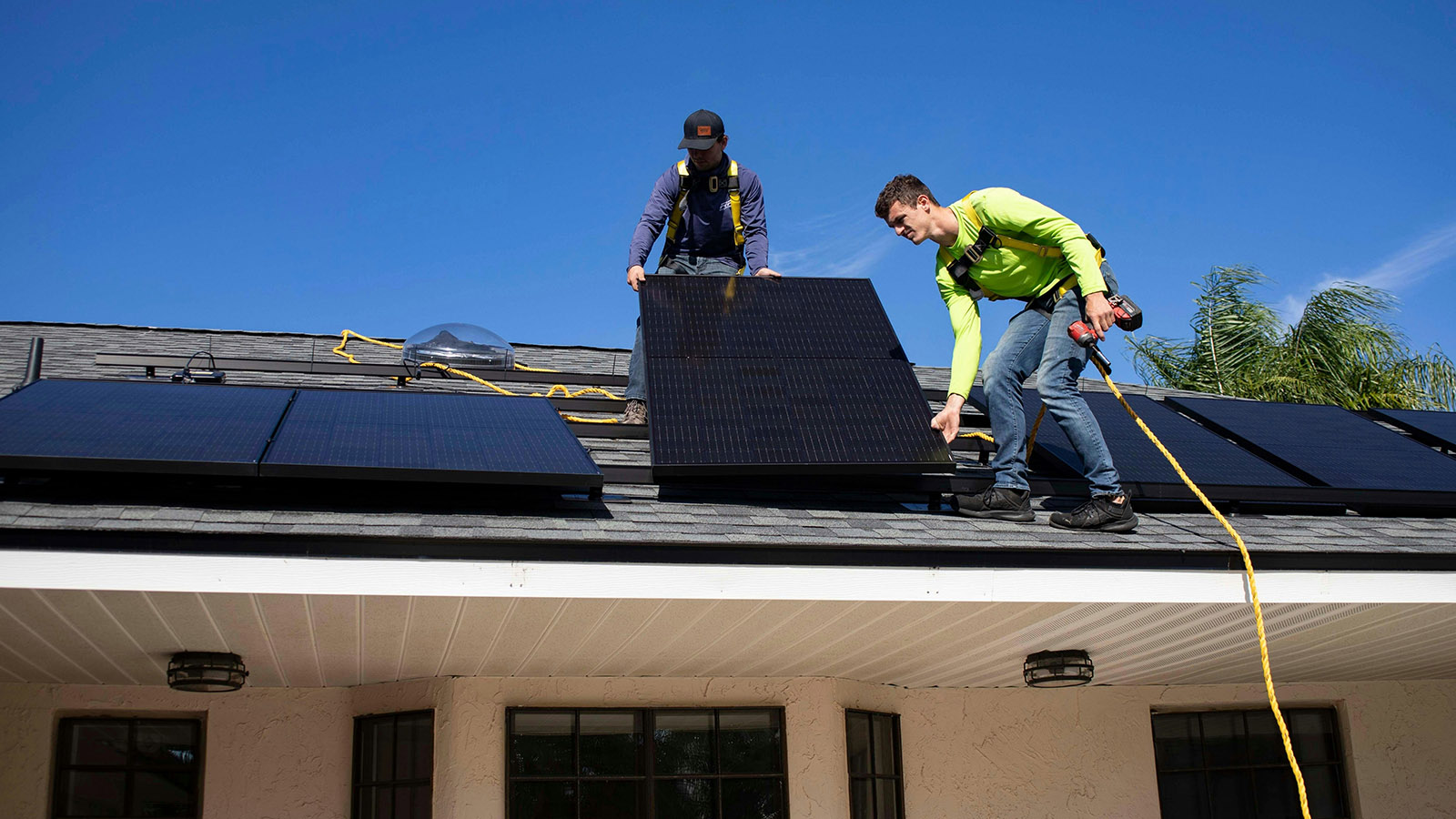
Career Opportunities in Solar Energy
The solar energy sector is experiencing unprecedented growth, with over 7.1 million jobs in solar PV alone as of 2023. For professionals considering a career shift into renewable energy, solar offers pathways across R&D, manufacturing, project development, and operations.
