
Renewable energy jobs · Cybersecurity
-
Expired
 Glasgow, Scotland, United Kingdom + 2 locationsHybrid Full time More than 3 months ago£64,270–80,000 annually
 -
Expired
Glasgow, Scotland, United KingdomHybrid Full time More than 3 months ago£52,800–76,038 annually
-
Expired
 Aarhus, DenmarkOn-site Full time More than 3 months ago
 -
Expired
 Toronto, Ontario, CanadaRemote Full time More than 3 months agoUS$125,000–145,000 annually
 -
Expired
 Gentofte, Denmark + 1 locationHybrid Full time More than 3 months ago
 -
Expired
 Alhambra, California, United StatesHybrid Full time More than 3 months ago
 -
Expired
 Oxford, United KingdomFlexible Full time More than 3 months ago
 -
Expired
 Pune, IndiaHybrid Full time More than 3 months ago
 -
Expired
 Calgary, CanadaHybrid Full time More than 3 months ago
 -
Expired
 Athens, Greece + 1 locationHybrid Full time More than 3 months ago
 -
Expired
 Dublin, IrelandOn-site Full time More than 3 months ago
 -
Expired
 Zaragoza, Spain + 3 locationsFlexible Full time More than 3 months ago
 -
Expired
 Chennai, Tamil Nadu, IndiaOn-site Full time More than 3 months agoIT · HVDC · SCADA · Cybersecurity
 -
Expired
 Andover, Massachusetts, United StatesHybrid Full time More than 3 months agoUS$137,000–206,000 annually
 -
Expired
 Switzerland + 3 locationsFlexible Full time More than 3 months ago
Cybersecurity Jobs in Renewable Energy
Cybersecurity professionals in renewable energy protect the operational technology, SCADA systems, and digital infrastructure that keep power grids and generation assets running safely. The energy sector faces roughly 1,000 attempted cyberattacks per day on renewables companies in the UK alone, and the industry reports a 42% shortfall in cybersecurity personnel.
What makes this field distinct from general cybersecurity is the convergence of IT and OT (operational technology). A solar farm's inverters, a wind turbine's SCADA controllers, and an EV charging network's communication protocols all present attack surfaces that traditional IT security teams are not trained to defend. The 2022 satellite communications attack that disrupted 5,800 wind turbines across Germany demonstrated what happens when these systems are compromised - not data loss, but physical infrastructure going offline. In December 2025, a coordinated cyber incident targeted renewable energy plants and industrial control systems in Poland, reinforcing that these threats are intensifying.
What the roles look like
The most common positions range from Security Engineers and SCADA Consultants to specialised OT Cybersecurity Architects and Heads of OT Security. The IT/OT divide defines the work: many roles require fluency in both enterprise IT security (firewalls, SIEM, identity management) and industrial control systems (PLCs, RTUs, Modbus/DNP3 protocols). Demand for OT-specific skills outpaces supply, partly because the talent pipeline from traditional IT security does not automatically cover industrial protocols.
Senior Security Engineers, Principal Cybersecurity Engineers, and Information Security Officers appear most frequently. The field also draws from adjacent domains - IoT security specialists securing distributed device fleets, cloud engineers protecting energy platforms, and compliance managers navigating new regulatory frameworks.
Who is hiring
Large utilities dominate cybersecurity hiring. Scottish Power, SSE Renewables, and OVO Energy are among the most active in the UK, where Glasgow, London, and Bristol concentrate the most roles. On the Continent, Dutch grid operator Enexis, Ørsted in Denmark, and Siemens Energy in Germany hire consistently. Smart metering companies like Landis+Gyr recruit cybersecurity talent to secure smart energy systems and IoT device fleets across European networks.
The NIS2 effect
The EU's NIS2 directive, now transposed into national law in most member states, has expanded cybersecurity obligations for renewable energy companies. Any firm with 50 or more employees or €10 million turnover that operates generation, transmission, distribution, or storage assets must implement formal risk management, report incidents within 24 hours, and ensure management-level accountability. Germany's implementing legislation entered force in December 2025, adding ISO 27001 certification requirements on top. For job seekers, this regulatory wave is creating roles in cybersecurity governance, audit, and compliance that barely existed in renewables five years ago.
Where the field is heading
The expansion of distributed energy resources, virtual power plants, and grid integration projects multiplies the attack surface faster than defences can scale. Professionals who combine OT security expertise with renewable energy domain knowledge command a premium - entry-level cybersecurity roles in UK energy start around £35,000, while senior OT security architects can exceed £110,000. Europe has an estimated 350,000 unfilled cybersecurity positions, and the energy sector's share of that gap grows as every new wind farm, battery storage facility, and smart grid node adds systems that need protecting.
Last updated on Apr 25, 2026 | Report an issue
Get job alerts
Get alerts for Cybersecurity jobs
Join Talent Pool
Let clean energy employers find you
Featured jobs





Renewable energy blog posts
-

Renewable Energy Forecast for 2030
By 2030, renewables are poised to supply nearly half of global electricity, with solar and wind leading this explosive expansion. In this data-driven piece, we explore job creation forecasts, supply chain bottlenecks, and policy hurdles. -

Fastest Growing Renewable Energy Sector: Data and Trends
In 2023, solar photovoltaics surged by 32.59%, officially making it the fastest-growing renewable energy source worldwide. Yet offshore wind, which soared by 57.87% in 2021, remains a formidable competitor in total electricity output due to its high capacity factor. This concise overview highlights how policy incentives, cost reductions, and manufacturing advances are propelling solar to the forefront of the global energy transition. -
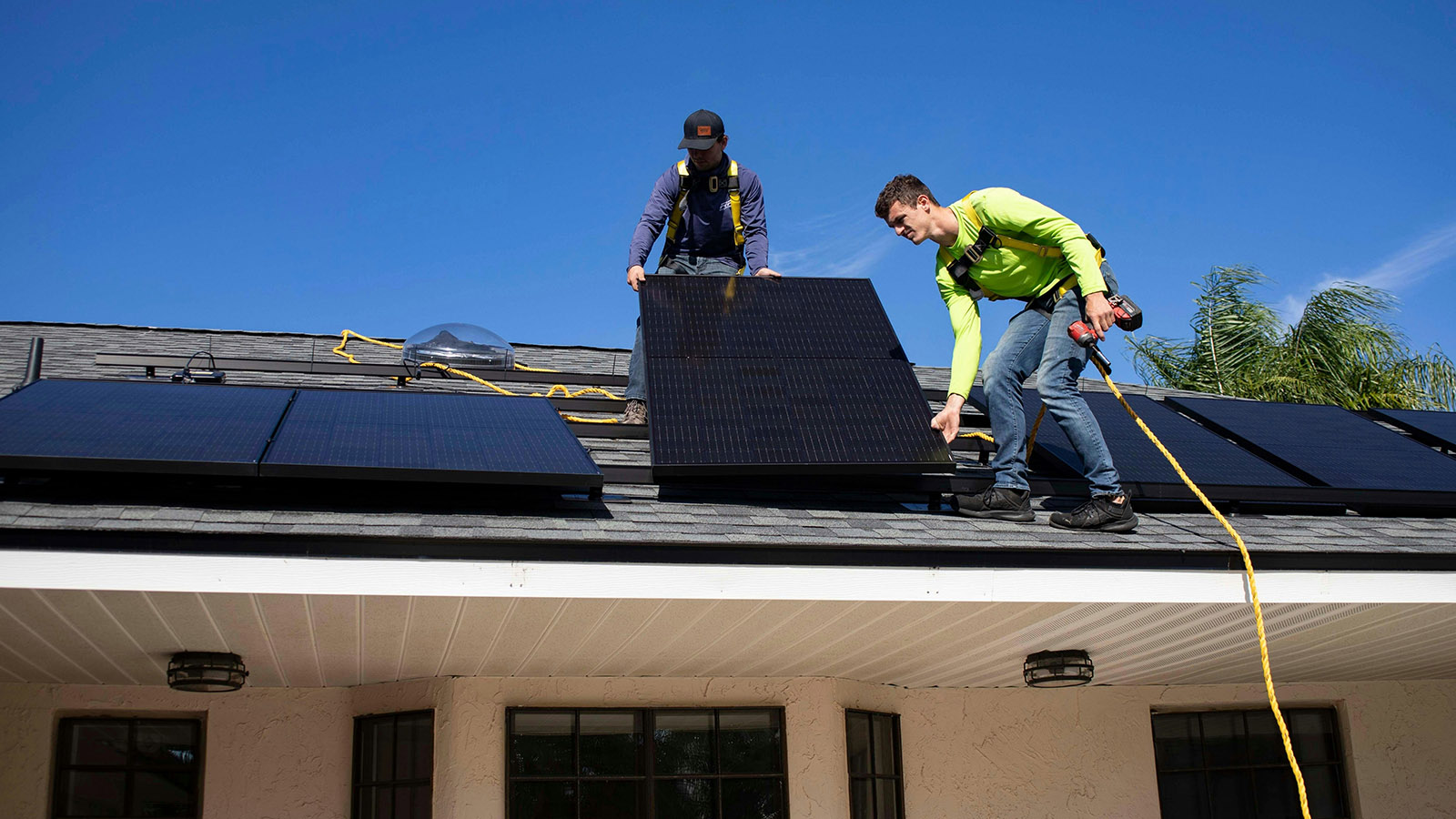
Career Opportunities in Solar Energy
The solar energy sector is experiencing unprecedented growth, with over 7.1 million jobs in solar PV alone as of 2023. For professionals considering a career shift into renewable energy, solar offers pathways across R&D, manufacturing, project development, and operations.
