
The electricity sector is now the world's largest energy employer, overtaking fossil fuel supply for the first time. Within it, grids are the critical bottleneck. The IEA estimates that reaching national climate goals means adding or refurbishing over 80 million kilometres of grids by 2040 - equivalent to the entire existing global grid. The EU alone needs EUR 1.2 trillion in grid investment by 2040, including EUR 730 billion for distribution networks. Goldman Sachs projects the power industry will need more than 750,000 new workers by 2030 just to keep pace.
Yet in grid-related professions, retirements outnumber new entrants at a ratio of 1.4 to 1, and 60% of energy companies report difficulty hiring the skilled workers they need. Smart grid careers sit at the intersection of the largest infrastructure buildout in a generation and the most acute workforce gap in the energy transition.
Drivers of smart grid investment
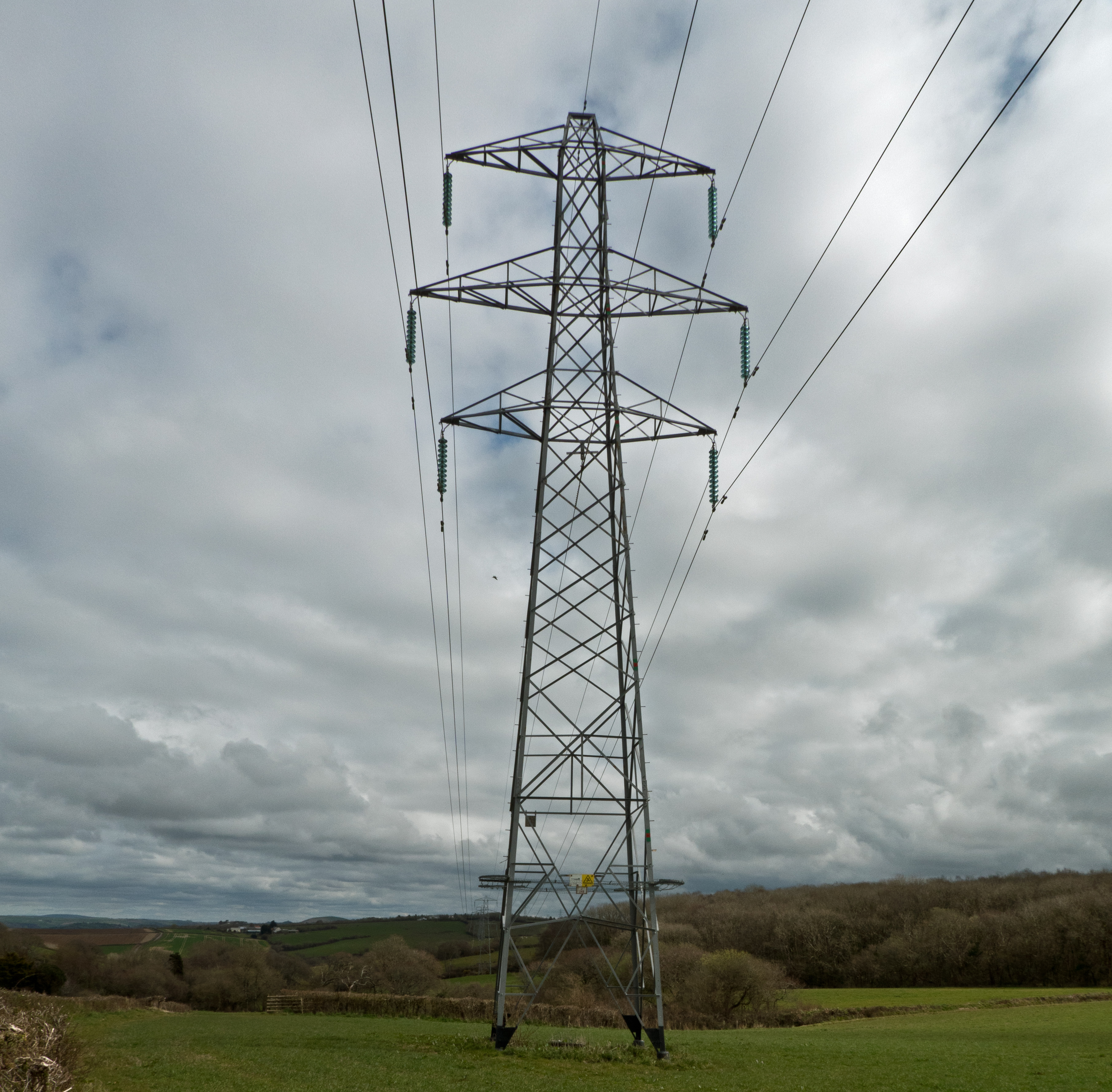
Smart grid investment is driven by one structural fact: every other clean energy sector depends on the grid. Solar panels and wind turbines generate electricity, but the grid delivers it. Energy storage buffers supply and demand, but the grid orchestrates the timing. EV chargers plug into the grid. Hydrogen electrolysers draw from it. The grid is the platform on which the entire energy transition runs - and it was not designed for what is being asked of it.
Traditional grids were built for one-way power flow: large fossil fuel plants pushed electricity outward through transmission lines to distribution networks to consumers. Smart grids reverse this logic. Power now flows in multiple directions - rooftop solar feeds back into the network, batteries charge and discharge on price signals, electric vehicles export energy to buildings. Managing this complexity requires monitoring and control systems that can respond in milliseconds, digital infrastructure layered on top of physical cables and transformers, and a workforce that understands both.
The global smart grid market is valued at approximately USD 73 billion (2025), projected to grow at 10–19% annually depending on scope. Europe accounts for USD 15.02 billion (2025), with Germany (USD 3.45 billion), the UK (USD 2.92 billion), and France (USD 1.89 billion) as the three largest national markets.
IT and OT convergence
Smart grid work spans two professional cultures - operational technology and information technology - that historically had little to do with each other.
Operational technology (OT) is the world of substations, protection relays, switchgear, and SCADA systems. It is physical, safety-critical, and governed by decades of engineering standards. The people who work here are power systems engineers, protection and control specialists, and substation technicians. They think in terms of fault currents, impedance, and safety clearances.
Information technology (IT) is the world of cloud platforms, data analytics, APIs, and machine learning. It is fast-moving, software-defined, and built on agile development cycles. The people who work here are software engineers, data scientists, and cybersecurity analysts.
Smart grids require both. An Advanced Distribution Management System (ADMS) runs on cloud infrastructure but controls real switchgear. A virtual power plant aggregates thousands of rooftop solar installations through IoT devices, but its dispatch decisions affect grid frequency. Cybersecurity for a smart grid means protecting both enterprise networks and industrial control systems where a breach could cause physical damage.
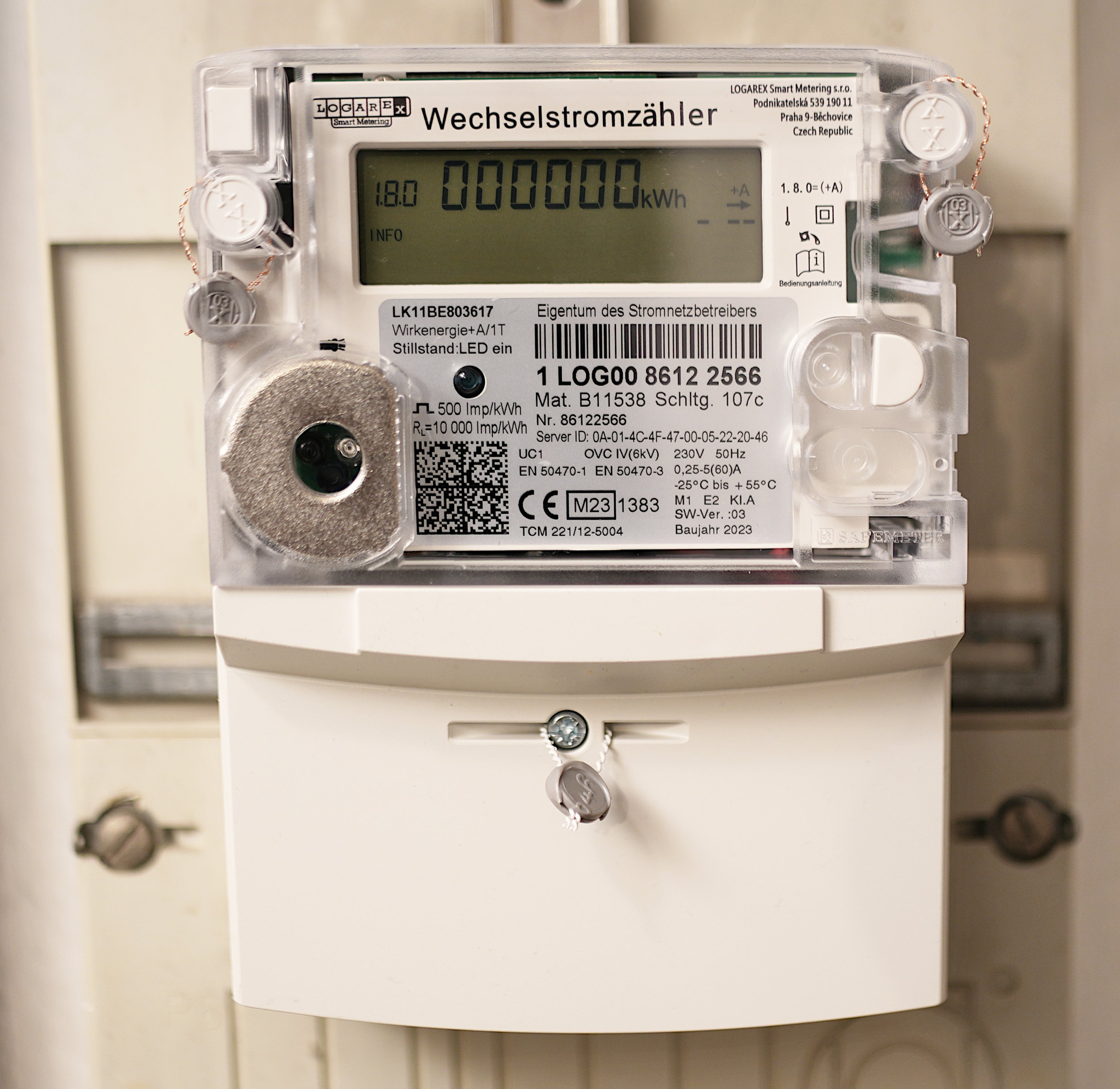
This IT/OT convergence creates career opportunities that did not exist a decade ago - and a persistent skills gap. The EU DSO Entity reports that nearly three-quarters of Europe's distribution system operators face qualified staff shortages when connecting solar PV to the grid, and more than a third of EU electricity-distribution workers are aged 50+. The IEA says new qualified entrants need to rise by 40% globally, requiring an additional USD 2.6 billion per year in training investment. For job seekers, this means strong demand across every smart grid discipline - and unusual bargaining power in salary negotiations.
Europe
Smart grid deployment is uneven across Europe, shaped by regulatory timelines, renewable penetration, and legacy infrastructure.
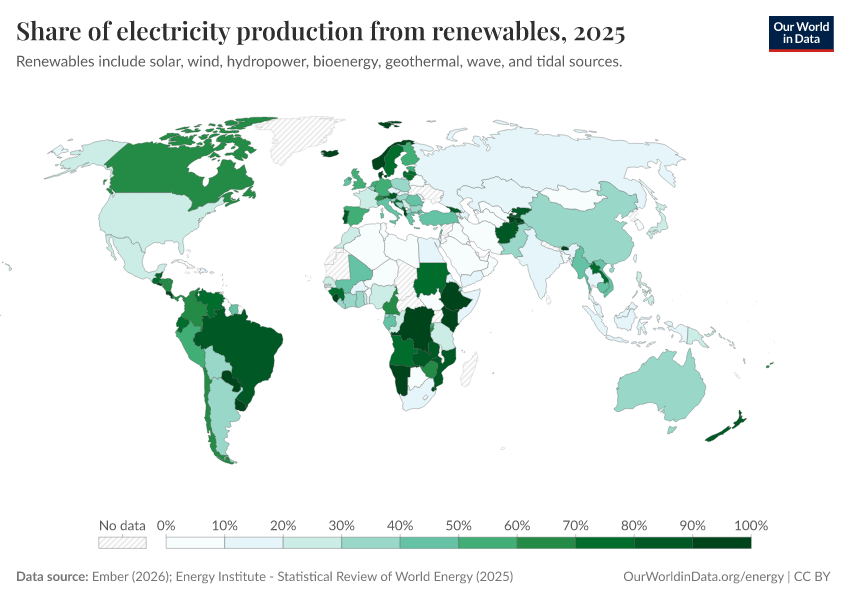
The Nordics lead on maturity. Denmark covers 77.7% of its electricity consumption with renewables (primarily wind) and has had near-complete smart meter coverage since 2020. Sweden, Finland, and Estonia are at or near 100% smart meter penetration. These markets have smaller absolute workforces but high demand for specialists in grid analytics, flexibility, and integration.
Germany is where scale meets complexity. Its smart grid market is the largest in Europe (USD 3.45 billion), but its smart meter rollout has lagged - roughly 3.1 million intelligent metering systems by end of 2025. The country is now transitioning from pilot phase to industrial-scale deployment. E.ON's EUR 43 billion investment plan for 2024–2028 earmarks roughly EUR 35 billion for grid modernisation. Germany launched its first commercial vehicle-to-grid solution with BMW and E.ON in September 2025 and a nationwide digital twin project with envelio. Hiring is concentrated in North Rhine-Westphalia, Bavaria, and Baden-Württemberg.
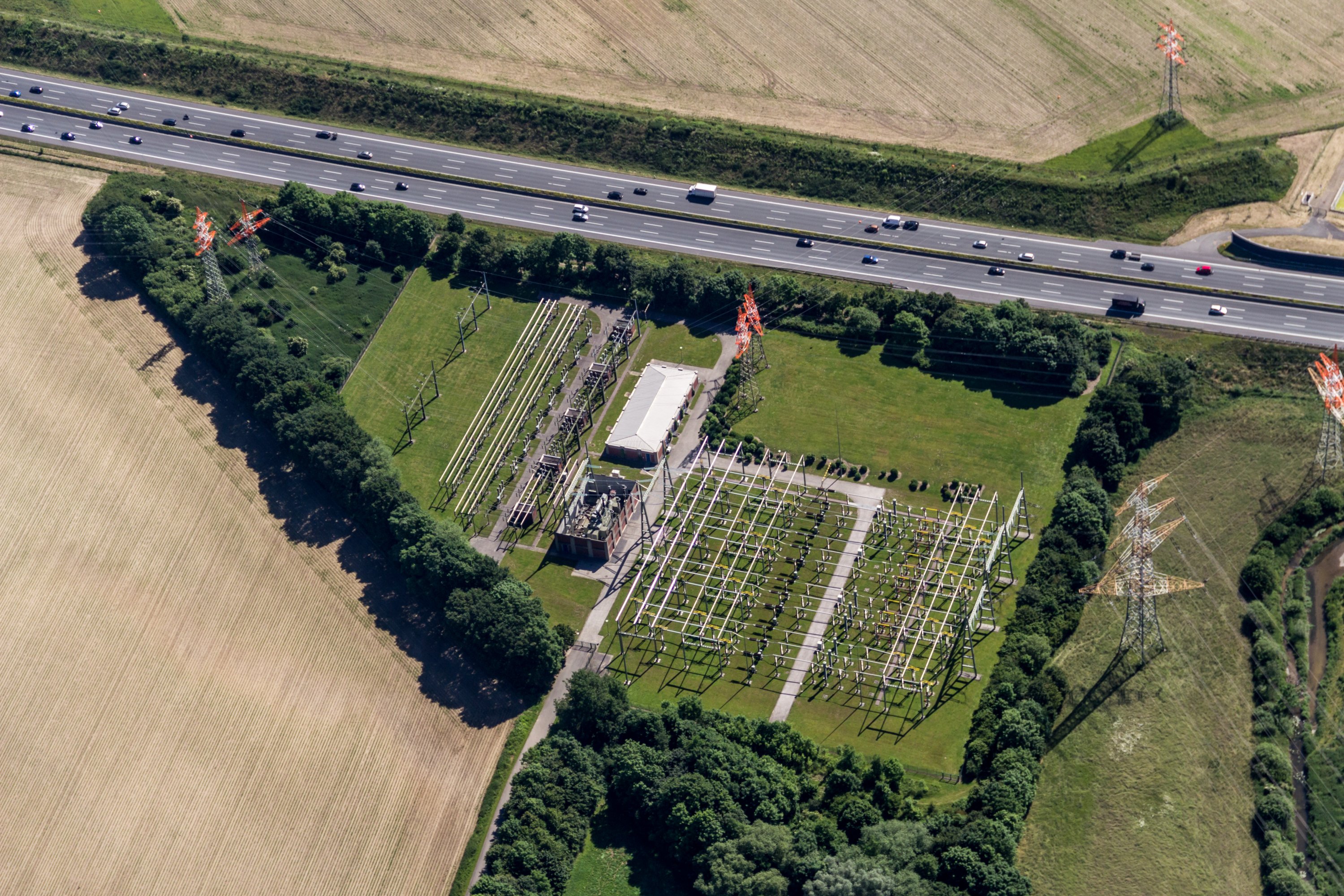
The UK has installed approximately 39 million smart meters as of March 2025 and has restructured its grid governance - National Grid ESO became the National Energy System Operator (NESO) in October 2024. The UK grid connection queue backlog, with years-long waits for new renewable and storage projects, has made grid planning and interconnection specialists particularly valuable.
The Netherlands has largely completed its smart meter rollout and is now focused on grid congestion management - the physical network cannot keep pace with solar and heat pump connections. DSOs Alliander and Stedin are hiring heavily for grid connection and capacity management roles.
France and Spain have mature metering deployments - France's Linky fleet and Spain's regulator-mandated national rollout - with Spain near 100% penetration. Italy was an early mover: Enel completed its first-generation smart meter rollout years ago and is now deploying second-generation infrastructure.
China
China is where the smart grid story scales to a different order of magnitude. State Grid Corporation of China (SGCC) serves around 1.1 billion people across 26 provinces and employs roughly 1.35 million people - making it both the world's largest utility by revenue and the largest single industrial employer in the global energy sector. China Southern Power Grid, which covers the five southern provinces (Guangdong, Guangxi, Yunnan, Guizhou, Hainan), employs another ~280,000. Together the two state utilities run more ultra-high-voltage transmission than the rest of the world combined.
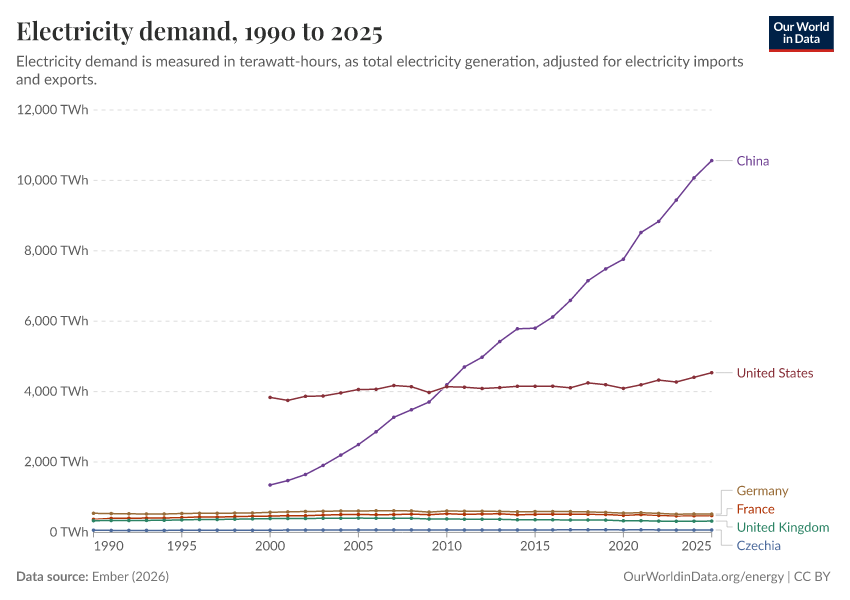
The scale of investment follows the same logic. SGCC has announced a fixed-asset investment of roughly RMB 4 trillion (~EUR 530 billion) for the 15th Five-Year Plan period (2026-2030) - a 40% increase on the previous plan and the largest single national grid CAPEX programme in the world. Most of it targets two things: integrating the roughly 430 GW of solar and wind that China is now adding annually, and moving that power thousands of kilometres east. The Changji-Guquan ±1100 kV UHVDC link, commercially in service since September 2019, remains the world's highest-voltage transmission line anywhere - 3,324 km long, capable of transferring 12 GW from Xinjiang to Anhui, the equivalent of twelve large power stations. Around 25 ±800 kV UHVDC lines are now operational or under construction across China, including the new Gansu-Zhejiang VSC link (8 GW, 2,370 km), at roughly CNY 35 billion just for that single corridor. The career implication: long-distance HVDC engineering - converter stations, valve halls, high-voltage cable joints - is one of the few specialisations where Chinese employers genuinely lead global practice, and the volume of UHV projects on the books through 2030 means China will train and absorb most of the world's new HVDC engineers over the next decade.
On the digital side, SGCC and CSG are the largest single buyers of ADMS, DERMS, and substation automation equipment in the world. Most of that demand is captured internally by NARI Group, the State Grid R&D and equipment arm. NARI Technology, its listed subsidiary, reported revenue of CNY 57.4 billion in 2024 and is the dominant supplier of power-system SCADA, protection relays, and HVDC control systems for the Chinese market. Hiring is concentrated in NARI's Nanjing research institutes, SGCC's training academies in Beijing and Jinan, and CSG's R&D centres in Guangzhou. For non-Chinese candidates, the practical entry points are the European and South-East Asian project offices of NARI, Sungrow Smart Grid, and Huawei Digital Power - all of which are now competing seriously against Siemens, Hitachi Energy, and Schneider Electric on overseas grid-equipment tenders. Within China, hiring runs primarily through SGCC's centralised graduate recruitment from electrical-engineering faculties at Tsinghua, Xi'an Jiaotong, Huazhong, and Chongqing universities, with NARI and the regional grid companies absorbing most of each cohort.
United States
The United States runs the world's second-largest grid investment programme, and over the past three years the trajectory has steepened sharply on the back of data-centre load growth, electrification, and federal subsidy. Five of the largest investor-owned utilities (IOUs) have rebased their multi-year CAPEX plans upward in 2024-2026. Duke Energy raised its plan to USD 103 billion through 2030, with ~65% directed at grid infrastructure and generation. NextEra Energy plans USD 97-107 billion for 2024-2027. Southern Company raised its five-year programme to USD 81 billion. Exelon committed USD 41.7 billion for 2026–2029 across its six T&D-only utilities (ComEd, PECO, BGE, Pepco, Delmarva, ACE). Iberdrola's US subsidiary Avangrid added a USD 20 billion grid plan through 2030. None of these figures are matched by a corresponding ramp-up in the qualified workforce.
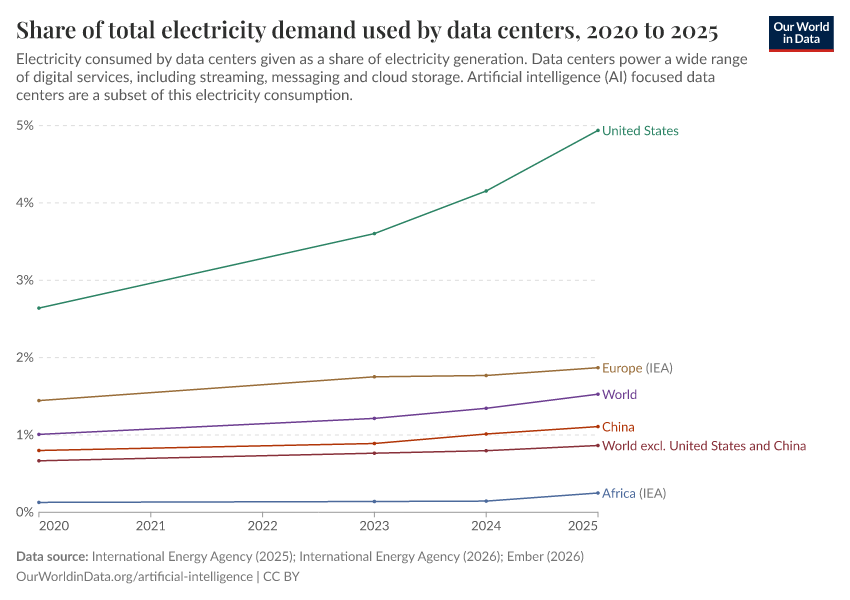
Federal policy is doing two things at once. The DOE's Grid Resilience and Innovation Partnerships (GRIP) programme has so far awarded around USD 7.6 billion across 105 projects in all 50 states, with a roughly USD 1.9 billion third round (SPARK) announced in March 2026 - the single largest federal grid programme in US history. FERC Order 2222, which forces the regional transmission organisations (RTOs) to open wholesale markets to aggregated distributed energy resources, has set live implementation deadlines: SPP in 2025, ISO-NE in November 2026, NYISO in December 2026, MISO in mid-2027, and PJM in early 2028. Each milestone creates direct demand for DER-platform engineers, market-systems developers, and the new compliance-and-settlement specialisations that aggregator firms (Voltus, CPower, Enel X North America, Tesla Virtual Power Plant) are hiring around. NERC reliability standards (CIP for cyber, TPL for planning) define a parallel set of mandatory roles at every transmission-owning utility.
The geography of US hiring is concentrated in three places. ERCOT in Texas is the fastest-growing single market: chronic congestion between west-Texas wind and solar and the Houston/Dallas load centres means dispatch, congestion-revenue-rights, and grid-edge software teams at ERCOT itself and at independent power producers are persistently understaffed. CAISO in California has become the operational laboratory for high-DER grids, with utilities (PG&E, SCE, SDG&E) running some of the most advanced ADMS deployments in the world. PJM - the largest US RTO by load - serves as the principal hiring ground for the mid-Atlantic data-centre build-out. Salaries reflect the gap between demand and supply: a power-systems engineer at Duke, Southern, or NextEra typically earns well above European equivalents at TenneT or RTE; senior OT cybersecurity specialists with ICS experience at Dragos, Claroty, or one of the IOU security teams clear USD 180-220k in total compensation. The trade-off is geographic: most utility jobs are non-remote and tied to specific service territories, and the regulatory environment varies substantially between state public utility commissions.
Roles across the smart grid
Smart grid roles span five distinct layers, each with its own workplace, qualifications, and career trajectory.
Physical infrastructure
Protection and control engineers design and maintain the relay systems that detect faults on transmission and distribution networks and isolate damaged sections in milliseconds. This is highly specialised work - a misconfigured protection relay can either fail to clear a fault (risking equipment damage and fires) or trip spuriously (causing avoidable blackouts). Protection engineers need deep understanding of fault analysis, relay coordination, and IEC 61850 communications standards. The work is a mix of office-based design and site commissioning.
Substation engineers design, build, and maintain the nodes where voltage is transformed between transmission and distribution levels. Substations are becoming increasingly digital - intelligent electronic devices (IEDs) replace electromechanical relays, and digital substations use fibre-optic process bus connections instead of copper wiring. E.ON deployed its 10,000th digital substation in July 2025. Engineers who can bridge legacy equipment and modern digital architectures are in acute demand.
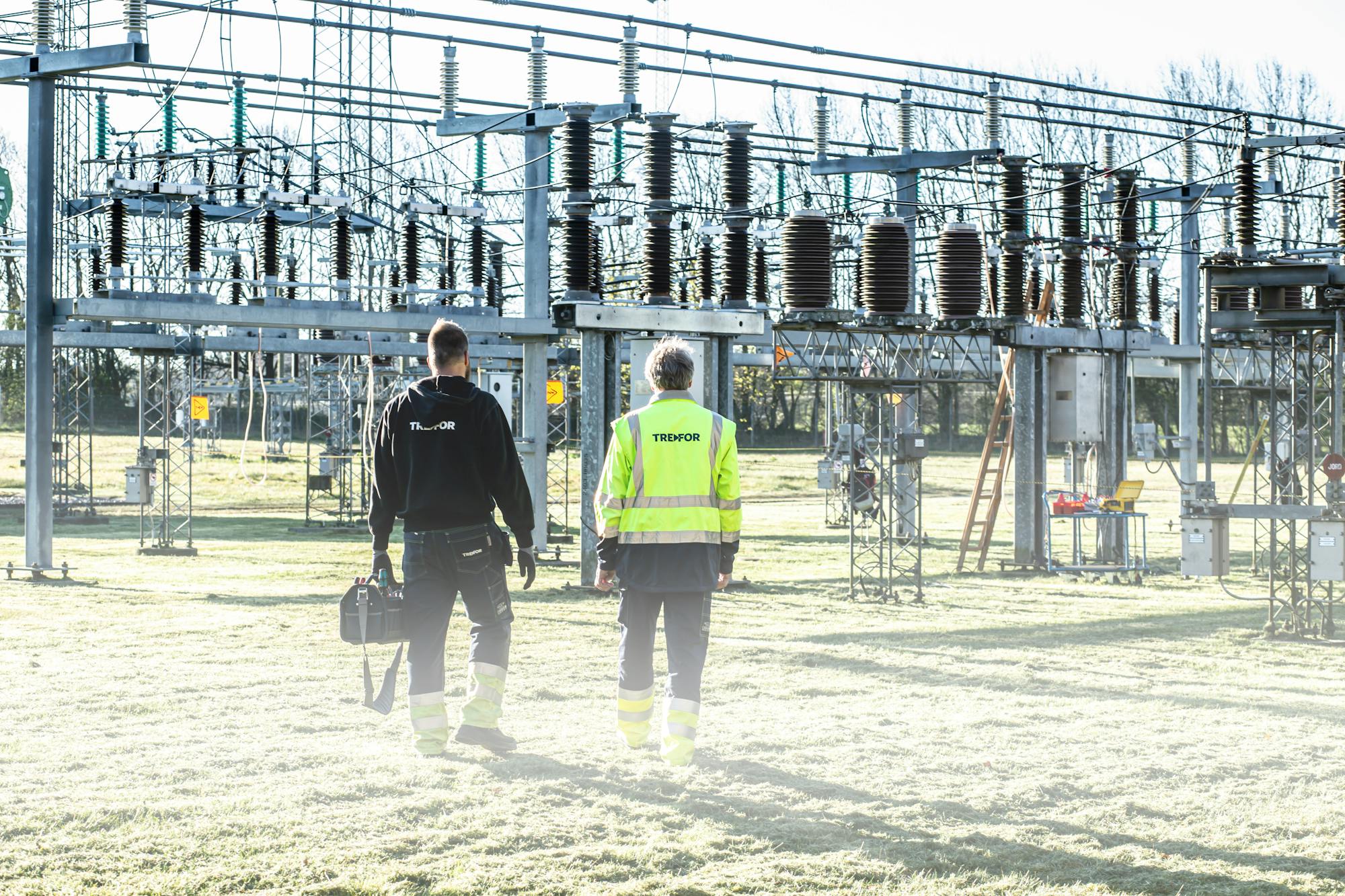
Smart meter deployment technicians install, commission, and maintain the millions of meters that form the sensory layer of the smart grid. This is field work - visiting homes and businesses, fitting metering equipment, configuring communications modules, and troubleshooting connectivity. The UK installed roughly 2.8 million smart meters in 2024 alone. For qualified electricians, it is one of the most accessible entry points into smart grid work.
HVDC and interconnector specialists work on high-voltage direct current systems that connect national grids across borders - the NordLink cable between Norway and Germany, the North Sea Link between Norway and the UK. HVDC requires specialist power electronics and converter station engineering skills that are in persistently short supply.
Digital infrastructure
SCADA engineers build and maintain the supervisory control and data acquisition systems that monitor grid state in real time. They configure communication protocols, integrate telemetry from thousands of field devices, and design the human-machine interfaces (HMIs) that control room operators rely on. A SCADA engineer needs both networking knowledge (DNP3, IEC 60870-5-104) and understanding of the physical processes being controlled.
ADMS/DERMS engineers work on Advanced Distribution Management Systems and Distributed Energy Resource Management Systems - the software platforms that enable DSOs to manage grids with high renewable penetration. These roles involve system configuration, integration with utility enterprise systems, and testing of automated grid functions like load balancing, fault location, and volt-var optimisation. Vendors like Schneider Electric, GE Vernova, and Hitachi Energy employ these specialists, as do larger utilities with in-house development teams.
Communications and network engineers design and maintain the data networks that connect field devices to control centres. Smart grids rely on a mix of fibre optic, 4G/5G cellular, radio mesh, and power line communication (PLC) technologies. Each has different latency, bandwidth, and reliability characteristics that must be matched to the application - real-time protection needs sub-10ms latency, while meter data collection can tolerate minutes.
Software and analytics
Grid software developers build the platforms that run smart grids - from energy trading systems to outage management applications to customer-facing portals. The tech stack typically includes Python, Java, or C++ for backend services, with PostgreSQL or time-series databases for energy analytics. Developers in this space need to learn domain-specific concepts (power flow calculations, market settlement processes) but find their core programming skills directly transferable.
Data scientists and energy analysts apply machine learning to grid operations - demand forecasting, predictive maintenance for transformers, anomaly detection for power quality issues, and optimisation of distributed energy resources. The EU's smart-networks technology platform ETIP SNET identifies AI, big data analytics, and cybersecurity as the three most critical technology gaps in the European grid workforce.
VPP and aggregation platform engineers build and operate virtual power plant systems that bundle thousands of small generators, batteries, and flexible loads into a single dispatchable asset. This is where software meets electricity markets - VPP operators bid aggregated capacity into ancillary services markets, and the platform must dispatch individual assets in real time to deliver on those commitments. Next Kraftwerke (Shell) operates one of Europe's largest VPPs with over 15 GW connected capacity across eight countries.
Cybersecurity
OT security specialists protect the industrial control systems that operate the grid. This is not standard enterprise cybersecurity. Grid OT environments include SCADA systems, protection relays, and substation automation that cannot be taken offline for patching, run legacy operating systems, and use industrial protocols that were designed before cyber threats were a consideration. OT cybersecurity specialists need to understand both the IT attack surface and the physical consequences of a breach. The role commands a 20–35% salary premium over general cybersecurity in the UK.
Grid cybersecurity is growing fast. The EU's Network and Information Security Directive (NIS2), which member states had to write into national law by October 2024, expanded cybersecurity obligations for energy operators. Compliance requires dedicated security staff, incident response capabilities, and supply chain security assessments - creating demand that will persist for years.
Market and flexibility
Demand response managers design and operate programmes that shift electricity consumption to match renewable generation. They work with industrial customers, aggregators, and DSOs to identify flexible loads, set up control systems, and participate in wholesale or balancing markets. This is a commercial-technical hybrid role - half the work is understanding electricity market rules, half is engineering the technical delivery.
Grid trading and optimisation specialists operate at the boundary between physical grid constraints and financial markets. They schedule generation and storage assets, manage congestion, and trade grid solutions products. These roles increasingly require programming skills (Python, optimisation solvers) alongside deep market knowledge.
Microgrid engineers design and operate self-contained energy systems - industrial parks, remote communities, military installations - that can operate independently from the main grid. Microgrids integrate generation, storage, and load management into a single controllable system. The engineering challenge is island-mode operation: maintaining voltage and frequency stability without the main grid as a backup.
Salary overview
| Role | Germany (EUR) | UK (GBP) | Netherlands (EUR) |
|---|---|---|---|
| Protection / power systems engineer | 55,000–110,000 | 40,000–71,000 | 52,000–81,000 |
| SCADA engineer | 60,000–100,000 | 42,000–70,000 | 58,000–103,000 |
| Grid software developer | 65,000–112,000 | 52,000–85,000 | 60,000–100,000 |
| Energy data scientist / analyst | 55,000–95,000 | 40,000–75,000 | 50,000–85,000 |
| OT cybersecurity specialist | 70,000–120,000 | 55,000–100,000 | 65,000–110,000 |
| Smart meter technician | 39,000–55,000 | 28,000–42,000 | 40,000–60,000 |
| Demand response / flexibility manager | 58,000–100,000 | 45,000–80,000 | 55,000–90,000 |
Annual gross salaries. Engineers with specialised expertise in grid cybersecurity or advanced grid analytics can command 10–20% above standard rates. German figures assume IG Metall or comparable collective agreements at larger utilities. PhD holders in power systems engineering typically earn 5–10% more than Master's graduates. Approximate conversion: 1 GBP ~ 1.17 EUR. Sources: SalaryExpert, Glassdoor, Ravio, PayScale (2024–2025).
Working conditions
Smart grid work divides into three distinct workplaces, and the differences matter.
Control rooms run 24/7. Grid control operators and SCADA engineers at transmission system operators (TSOs) and DSOs work rotating shifts - typically continental patterns (two days, two nights, four off) or 12-hour rotations. Control room work is sedentary but high-concentration: operators monitor grid state on multi-screen displays, execute switching operations that affect hundreds of thousands of customers, and manage emergency response during storms and equipment failures. The work is safety-critical - a wrong switching sequence can endanger lives - and requires annual recertification in most jurisdictions. Shift allowances typically add 15–25% to base salary.
Field roles are physical and weather-exposed. Substation engineers, smart meter technicians, and commissioning engineers work outdoors in all conditions. The work involves high-voltage systems (up to 400 kV at transmission level), requiring strict safety protocols: Lockout/Tagout procedures, arc flash protection, and job hazard assessments before each task. Substation operators work on-call rotations - approximately one week in five - and maintain company vehicles at home for emergency response. Training to qualification takes one to three years, culminating in comprehensive examinations covering procedures and practical switching exercises.
Software and analytics roles are largely office-based or remote. Grid software developers, data scientists, and platform engineers at technology vendors and larger utilities typically work standard hours. Companies like Schneider Electric, GE Vernova, and Hitachi Energy offer hybrid arrangements. Smaller grid-tech companies - GridBeyond, Smarter Grid Solutions, Sympower - often operate fully remote. However, most software roles still require periodic site visits to understand the physical systems their code controls.
Diversity is a sector-wide challenge. Just 24% of energy sector jobs in the EU are held by women, and the ratio is worse in field-based and control room roles. The IT/OT convergence is gradually improving gender balance - software and data science roles attract a more diverse talent pool - but progress is slow across the sector.
Technology trends
Five technologies are actively creating new specialisations and transforming existing ones.
AI and machine learning for grid operations. Hitachi Energy developed "Nostradamus AI" - an AI forecasting product for load, generation, and market prices. DSOs are deploying ML models for demand forecasting, fault prediction, and automated voltage regulation. This is creating demand for professionals who combine power systems domain knowledge with data science skills - a profile that is genuinely rare and commands premium compensation.
Digital twins. Utilities are building virtual replicas of their physical networks to simulate the impact of new renewable connections, test protection settings, and plan capacity upgrades without touching the real grid. E.ON's nationwide digital twin project in Germany, built with envelio, represents one of the most ambitious deployments. Digital twin engineers need 3D modelling skills, power systems knowledge, and software development capability.
Vehicle-to-grid (V2G) and bidirectional power flow. Germany launched its first commercial V2G solution with BMW and E.ON in September 2025. V2G turns every electric vehicle into a grid-connected battery, but managing millions of bidirectional connections requires new control algorithms, updated protection and control systems, and market mechanisms that do not yet exist at scale. New roles are appearing at the intersection of smart grid engineering and automotive technology.
Edge computing in substations. Processing data at the grid edge - inside substations and on distribution feeders - rather than sending everything to central cloud systems reduces latency from seconds to milliseconds. Grid edge computing has moved from a luxury to a necessity as distributed energy resources proliferate. This creates demand for embedded systems engineers and industrial IoT specialists who can deploy computing hardware in harsh electrical environments.
5G for grid communications. Private 5G networks offer the low latency and high reliability that grid applications demand. TSOs and DSOs are beginning to deploy dedicated 5G networks for protection signalling, remote switching, and real-time monitoring - blending telecom engineering with power systems operations.
Entry routes and qualifications
Smart grid is one of the few energy sectors where multiple career backgrounds can lead to genuinely senior roles.
From power engineering and electrical trades: The most natural transition. Protection engineers, substation technicians, and distribution network planners from utilities already work on grid infrastructure - the step into "smart" grid work means adding digital skills to an existing foundation. In the UK, a qualified electrician with Level 3 electrotechnical qualification and 18th Edition Wiring Regulations can move into smart meter installation immediately, then progress into network engineering or field commissioning.
From IT and software engineering: Backend developers, cloud engineers, and data scientists find immediate applicability in grid software development, ADMS/DERMS platforms, and analytics roles. Python, PostgreSQL, Kubernetes, and microservices architecture are directly relevant. The adjustment is learning domain-specific concepts - power flow, grid codes, market settlement - but employers in this space are willing to train for these because software talent is scarcer than domain knowledge.
From telecoms and network engineering: Smart grid communications - 4G/5G, fibre, RF mesh - use the same protocols, architectures, and monitoring tools as telecom networks. Network monitoring, fault management, and systems integration skills transfer directly. SCADA communication protocols (DNP3, IEC 61850) can be learned on the job.
From oil and gas: Process control engineers, SCADA operators, and HSE professionals from refineries and offshore platforms bring directly relevant experience in industrial control systems, safety management, and shift-based operations. The transition is less about retraining and more about applying existing skills to a different energy system.
Relevant certifications and training:
- IET Wiring Regulations (UK) / VDE standards (Germany) for electrical installation
- IEC 61850 training for digital substation engineering
- GICSP (Global Industrial Cyber Security Professional) for OT cybersecurity
- Vendor certifications from Siemens, ABB/Hitachi Energy, and Schneider Electric for SCADA and protection systems
- Bachelor's or Master's in electrical engineering, power systems, or computer science for engineering and software roles
- ETIP SNET's digital skills framework identifies big data analysis, cybersecurity, and programming as the highest-priority skill areas
Key employers
Transmission system operators
- TenneT - Netherlands/Germany, the first cross-border TSO in Europe; manages more than 25,000 km of high-voltage lines across two countries
- Elia Group - Belgium, parent of Elia (Belgium) and 50Hertz (Germany); listed on Euronext Brussels
- 50Hertz - Germany, operates the grid in northern and eastern Germany; targets 100% renewables integration
- Amprion - Germany, operates ~11,000 km of transmission lines serving ~29 million people
- RTE - France, manages the largest transmission network in Europe (~105,000 km)
- National Grid ESO / NESO - UK, system operator for Great Britain; became the National Energy System Operator in October 2024
- Energinet - Denmark, pioneering 2-year graduate programme with cross-functional rotations
- Statnett - Norway, key operator of major subsea interconnectors (NordLink, North Sea Link)
- Red Electrica (Redeia) - Spain, manages ~46,000 km of transmission lines
- Terna - Italy, manages ~75,000 km of high-voltage lines
Distribution system operators
- UK Power Networks - UK, largest DNO serving ~8.5 million customers; launched the UK's first independent DSO (April 2023)
- Enedis - France, distributes ~95% of electricity in France; deployed 35 million+ Linky smart meters
- Alliander - Netherlands, largest Dutch DSO via subsidiary Liander; serves ~3.4 million electricity customers
- Stedin - Netherlands, third-largest Dutch DSO; serves ~2.4 million customers across Utrecht, South Holland, and Zeeland
- E.ON - Germany, major DSO across multiple European countries; deployed 10,000th digital substation in July 2025; EUR 43 billion investment plan for 2024–2028
Grid technology vendors
- Schneider Electric - France, ranked #1 by ABI Research for energy grid digitalisation; market leader in ADMS, DERMS, and virtual substations; ~160,000 employees globally
- Hitachi Energy - Switzerland, formerly Hitachi ABB Power Grids; developed "Nostradamus AI" for grid management
- Siemens Energy - Germany, Grid Technologies division supplies HVDC, grid stabilisation, and substation automation; deep smart grid R&D
- GE Vernova - US/France, spun off from GE in April 2024; Grid Solutions division HQ in France; equipment helps generate ~25% of the world's electricity
- ABB - Switzerland, pioneering smart grid projects for power distribution reliability and conservation voltage reduction
- Eaton - Ireland, Center for Intelligent Power in Dublin focused on AI for power management
Smart metering
- Landis+Gyr - Switzerland, one of the world's largest smart metering companies; ~3,100 employees after its 2026 EMEA divestiture; operates in ~40 countries
- Kamstrup - Denmark, ~1,800 employees; world-leading supplier of intelligent energy and water metering
- Itron - US, major global AMI solutions provider with strong European presence
- Sagemcom - France, pairing smart meter hardware with demand-response software
- Diehl Metering - Germany, strong in European smart water and energy metering
Grid software and analytics
- GE Vernova Grid Software - US/Canada, comprehensive ADMS, DERMS, and modern grid software suite (includes former Opus One Solutions)
- Uplight - US, acquired AutoGrid in 2024; combines customer engagement with DERMS and flexible capacity management
- GridBeyond - Ireland, AI-driven DERMS and VPP platform; real-time energy optimisation at the grid edge
- Smarter Grid Solutions - UK, pioneered Active Network Management technology for DSOs
- Envision Digital - Singapore/Shanghai, EnOS AIoT platform managing over 560 GW of energy assets and 200 million smart devices
Demand response and flexibility
- Next Kraftwerke (Shell) - Germany, one of Europe's largest VPPs with 15+ GW capacity across 8 countries; acquired by Shell in 2021
- Voltalis - France, Europe's largest residential demand response provider; 1.5 million+ connected appliances across 250,000 buildings in 8 countries
- Sympower - Netherlands, manages 2.7+ GW of distributed energy assets across Europe; raised EUR 42M for battery storage expansion
- Enel X - Italy, world's largest demand response provider with ~10 GW of flexible load globally
- Flexitricity - UK, manages a 1.3 GW fully flexible VPP; operates a 24/7 control room in Edinburgh
Grid cybersecurity
- Claroty - US/Israel, named a Leader in Gartner 2025 Magic Quadrant for CPS Protection Platforms; valued at ~USD 3 billion
- Nozomi Networks - US/Switzerland, acquired by Mitsubishi Electric in January 2026 for ~USD 883 million; specialises in power grid OT security
- Dragos - US, dedicated ICS/OT cybersecurity; hands-on ICS cyber ranges; valued at USD 3.2 billion
Adjacent sectors
Smart grid careers are unusually portable. Power systems engineers move fluidly between grid operators and renewable energy developers. Power electronics specialists work across smart grids, energy storage, and EV charging - the converter technology is fundamentally the same. Grid cybersecurity professionals are recruited by every sector that runs industrial control systems, from water utilities to manufacturing. Demand response and flexibility specialists operate at the boundary of smart grids and wholesale electricity trading. And as distributed generation grows - rooftop solar, community wind, building-integrated renewables - the line between "generation" and "grid" careers continues to blur.
The hiring backdrop through 2030 is straightforward. Retirements outnumber new entrants in grid professions at 1.4 to 1, the EU needs EUR 1.2 trillion in grid investment by 2040, and Goldman Sachs puts the global power-industry shortfall at over 750,000 workers by the end of the decade. Against those numbers, the 39 million UK smart meters installed by March 2025 and E.ON's 10,000th digital substation in July 2025 are not endpoints - they are early indicators of a buildout that the existing workforce cannot deliver without a 40% rise in qualified entrants. That gap is the single clearest hiring signal in the energy transition.