
Renewable energy jobs · Inventory Management
-
Expired
 Epes, Alabama, United StatesOn-site Full time More than 3 months ago
 -
Expired
Hamlet, North Carolina, United StatesOn-site Full time More than 3 months ago
-
Expired
 Nairobi, Kenya + 3 locationsOn-site Full time More than 3 months ago
 -
Expired
 Mesquite, Texas, United StatesOn-site Full time More than 3 months ago
 -
Expired
Mesquite, Texas, United StatesOn-site Full time More than 3 months ago
-
Expired
 Houston, Texas, United StatesOn-site Full time More than 3 months ago
 -
Expired
Jeffersonville, Indiana, United StatesOn-site Full time More than 3 months ago
-
Expired
 Cairo, EgyptOn-site Full time More than 3 months ago
 -
Expired
 Dayton, United StatesOn-site Full time More than 3 months agoUS$16–21 hourly
 -
Expired
Mesquite, Texas, United StatesOn-site Full time More than 3 months ago
-
Expired
 San Carlos, California, United StatesHybrid Full time More than 3 months ago
 -
Expired
 Bassar, TogoOn-site Full time More than 3 months ago
 -
Expired
 Mountain View, California, United StatesOn-site Full time More than 3 months agoUS$50,000–85,000 annually
 -
Expired
United States of America + 1 locationOn-site Full time More than 3 months ago
-
Expired
Houston, Texas, United StatesOn-site Full time More than 3 months ago
Inventory Management Jobs in Renewable Energy
Inventory management in renewable energy covers the tracking, storage, and distribution of components - from photovoltaic modules and wind turbine gearboxes to batteries and raw materials - that keep manufacturing lines running and operational sites maintained. With the global renewable energy workforce reaching 16.6 million in 2024 and clean energy manufacturing investment in the US alone totalling $115 billion since 2022, the volume of physical goods flowing through this sector demands skilled inventory professionals at every stage.
Why renewables inventory is different
The gap between inventory management at a conventional manufacturer and at a solar panel factory or wind farm is wider than it appears. Components are often large, fragile, and expensive - a single wind turbine blade can exceed 80 metres, and a utility-scale inverter costs more than many houses. Misplacing or mishandling these items has outsized consequences. On the operations side, keeping the right spare parts at remote wind farms or solar installations directly determines how quickly equipment gets back online after a fault. Turbine downtime can cost hundreds of euros per hour, and replacement parts may need weeks of lead time - making inventory decisions inseparable from preventive maintenance planning.
Most roles split into two categories. Manufacturing inventory tracks raw materials, work-in-progress, and finished goods at factories producing panels, turbines, or batteries. Field inventory manages spare parts and tools across distributed generation sites spanning entire countries. The most common titles reflect this split: Warehouse Coordinator, Material Handler, and Warehouse Manager dominate on the manufacturing side, while Inventory Control Technician and Renewable Site Administrator appear more often in field operations.
Who hires and where
Solar manufacturers account for the largest share of inventory roles. Canadian Solar and Silfab Solar together posted 40 inventory-related positions in the past year, concentrated at US manufacturing facilities in Texas and Washington state. Wind OEMs like Vestas and Nordex hire warehouse and material handling staff across European and North American service hubs. The emerging fusion sector generates demand too - Commonwealth Fusion Systems and Helion Energy both need inventory teams for the exotic materials and precision components their prototype reactors consume.
The scale of growth underlines the opportunity. 161 clean energy manufacturing facilities became operational in the US between 2022 and early 2025, with solar module capacity reaching 42 GW. Each new factory floor needs warehouse coordinators, stock keepers, and material planners from day one.
Skills that command a premium
What distinguishes these roles from generic warehouse work is the pace of technological change. Solar panel efficiency and battery chemistry evolve annually, so inventory depreciates faster than in most industries. Professionals who understand procurement cycles, demand forecasting around policy incentives, and just-in-time delivery for project-based installations command higher pay. Familiarity with ERP systems - SAP is common among larger OEMs - and CMMS platforms matters increasingly as the sector shifts from spreadsheet-based tracking toward integrated supply chain management.
What's ahead
As renewable energy manufacturing scales globally and installed capacity expands, inventory management is shifting from a back-office function to a strategic one. The buildout of regional supply chains in Europe and North America, driven partly by efforts to diversify away from concentrated Chinese manufacturing, is creating new logistics hubs that need experienced inventory teams from the start.
Last updated on Sep 4, 2026 | Report an issue
Get job alerts
Get alerts for Inventory Management jobs
Join Talent Pool
Let clean energy employers find you
Featured jobs




Renewable energy blog posts
-

Renewable Energy Forecast for 2030
By 2030, renewables are poised to supply nearly half of global electricity, with solar and wind leading this explosive expansion. In this data-driven piece, we explore job creation forecasts, supply chain bottlenecks, and policy hurdles. -

Fastest Growing Renewable Energy Sector: Data and Trends
In 2023, solar photovoltaics surged by 32.59%, officially making it the fastest-growing renewable energy source worldwide. Yet offshore wind, which soared by 57.87% in 2021, remains a formidable competitor in total electricity output due to its high capacity factor. This concise overview highlights how policy incentives, cost reductions, and manufacturing advances are propelling solar to the forefront of the global energy transition. -
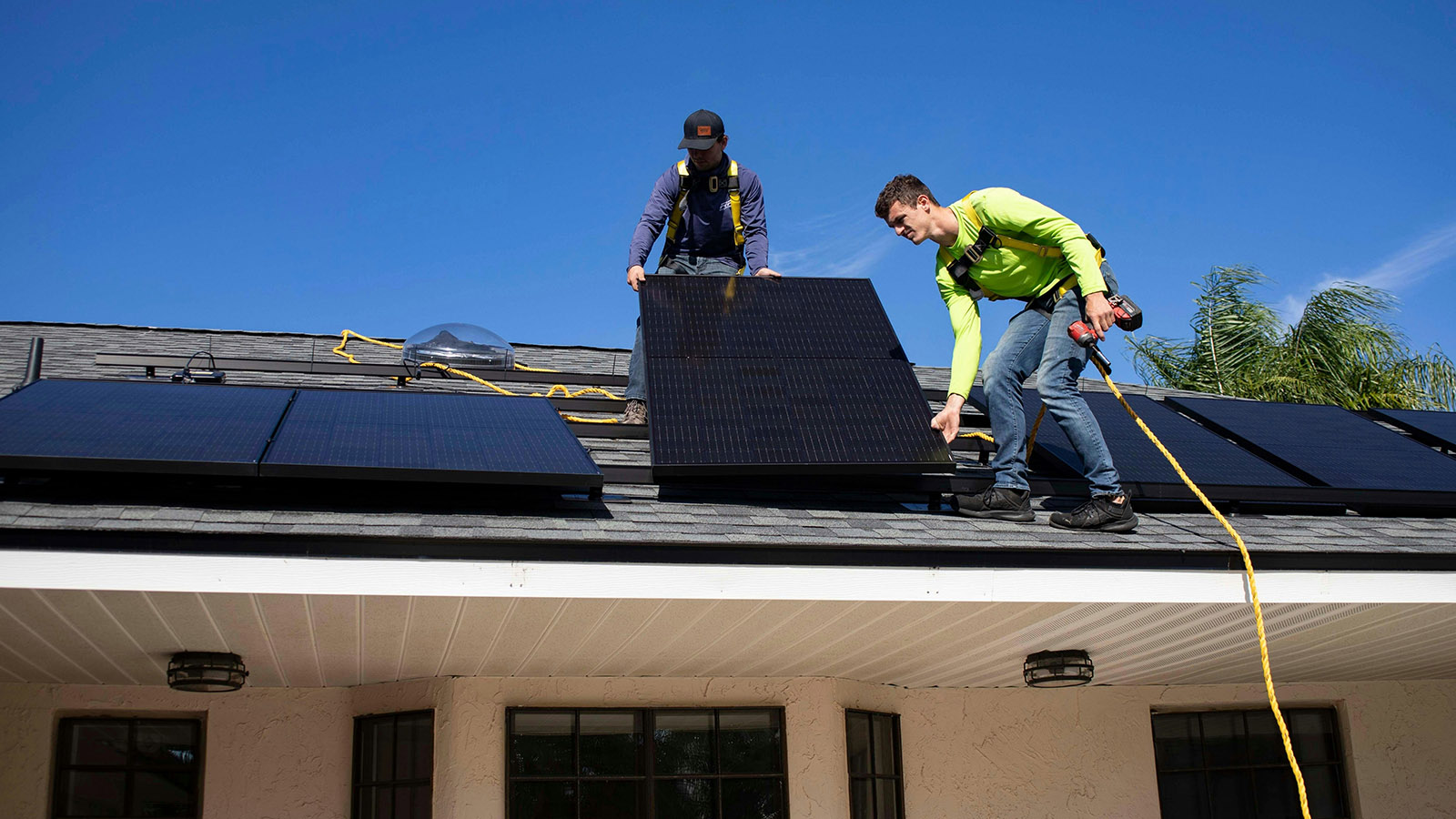
Career Opportunities in Solar Energy
The solar energy sector is experiencing unprecedented growth, with over 7.1 million jobs in solar PV alone as of 2023. For professionals considering a career shift into renewable energy, solar offers pathways across R&D, manufacturing, project development, and operations.
