
Geothermal energy offers something wind and solar cannot: 24/7 baseload power with a capacity factor that routinely exceeds 90%. But it also imposes a constraint the other renewables do not - it cannot be built just anywhere. Careers in geothermal are shaped less by the technology than by the geology beneath the surface. Iceland, Turkey's Aegean coast, Italy's Tuscany region, Kenya's Rift Valley, Indonesia's volcanic islands - these are not arbitrary job markets. They are the places where Earth's interior heat is close enough to the surface to extract economically. The first question for anyone considering the sector is not which role to pursue, but where to be willing to live.
Globally, geothermal employed approximately 160,000 people in 2024 across power generation, district heating, and ground-source heat pump installation. That number is modest compared to solar's 7.2 million or wind's 1.9 million, but it is about to change. The IEA projects that geothermal employment could rise sixfold to 1 million jobs by 2030, driven by Enhanced Geothermal Systems (EGS) and closed-loop technologies that are breaking geothermal free from its volcanic cage. The skills shortage is already visible: 24,000 new jobs in Germany alone if the country hits its 2030 target of 10 TWh/year from geothermal. The Netherlands' Masterplan Aardwarmte projects a tenfold scale-up of the sector's workforce by 2030 as greenhouse district heating expands.
Where geothermal works
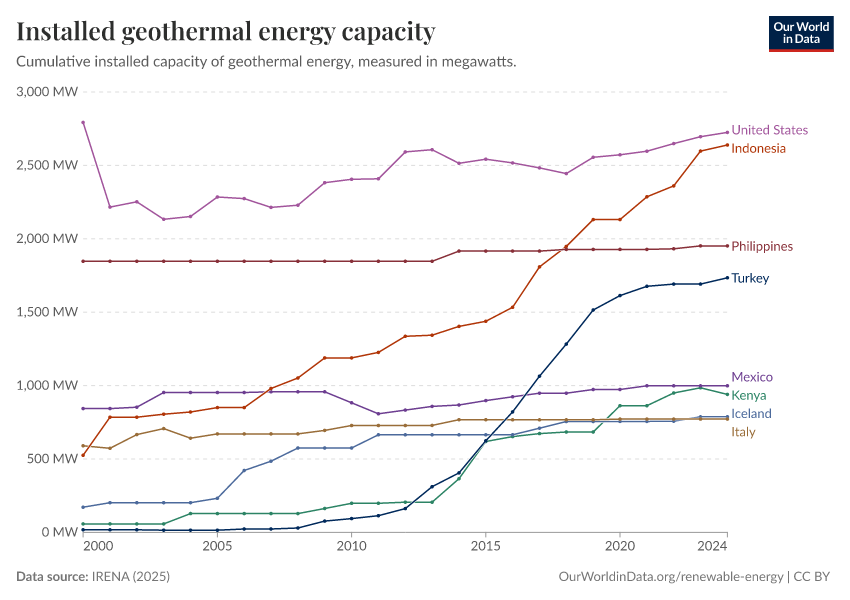
High-temperature geothermal resources cluster along tectonic plate boundaries. Iceland sits on the Mid-Atlantic Ridge, where diverging plates allow magma to reach within a few kilometres of the surface. Italy's Larderello field - where geothermal electricity was first generated in 1904 - sits in Tuscany where the African and Eurasian plates create volcanic intrusions. Turkey's Kizildere plants draw from the Aegean volcanic arc. Kenya's Olkaria complex taps heat from the East African Rift. Indonesia has 127 active volcanoes and holds roughly 40% of the world's geothermal resources.
This is not just geology trivia. It defines the job market. Conventional hydrothermal power plants are concentrated in Italy, Iceland, Turkey, Kenya, New Zealand, Indonesia, the Philippines, and the western United States. District heating roles extend the map to Germany, the Netherlands, France, and Denmark. Heat pump installation is broader still but remains concentrated in northern Europe and parts of North America.
The geographic lock is loosening. Enhanced Geothermal Systems create artificial reservoirs in hot dry rock, opening up sedimentary basins that lack natural hydrothermal resources. Fervo Energy's Utah project will deliver 320 MW to Southern California Edison, with first power in 2026, built on oil and gas drilling techniques adapted for geothermal. Eavor's closed-loop system in Bavaria sent its first commercial power to the grid in December 2025, drilling 4.5 kilometres deep without requiring a natural aquifer. These next-generation technologies accounted for about 60% of US geothermal power purchase agreements signed since 2021 and have attracted more than $1.5 billion in private capital over the same period.
Two parallel job markets are emerging as a result: the established hydrothermal sector concentrated in volcanic regions, and an expanding EGS/closed-loop sector creating roles in Germany, France, the UK, and parts of the United States currently underserved by conventional geothermal.
Four technologies, four workplaces
Geothermal is not one technology but at least four, and the daily work in each has little in common with the others.
Power generation: dry steam, flash steam, and binary cycle plants
Dry steam plants are the oldest and simplest. Larderello and California's Geysers pull steam directly from the ground and route it to turbines. These are rare - you need naturally occurring steam, not just hot water. Working at a dry steam plant means managing turbine operations, steam condensers, and cooling towers, much like a conventional thermal power station but with geothermal brine chemistry to manage.
Flash steam plants are the most common globally. They pump high-pressure hot water (above 182°C) from deep wells and "flash" it into steam by dropping the pressure. Kenya's Olkaria complex, Indonesia's Salak field, and most of the Philippines' geothermal capacity use this technology. Flash plant operators monitor well pressures, separator vessels, turbine-generator sets, and reinjection systems. The work involves troubleshooting corrosion from geothermal brine, managing scaling in pipes, and coordinating with drilling teams when well productivity declines.
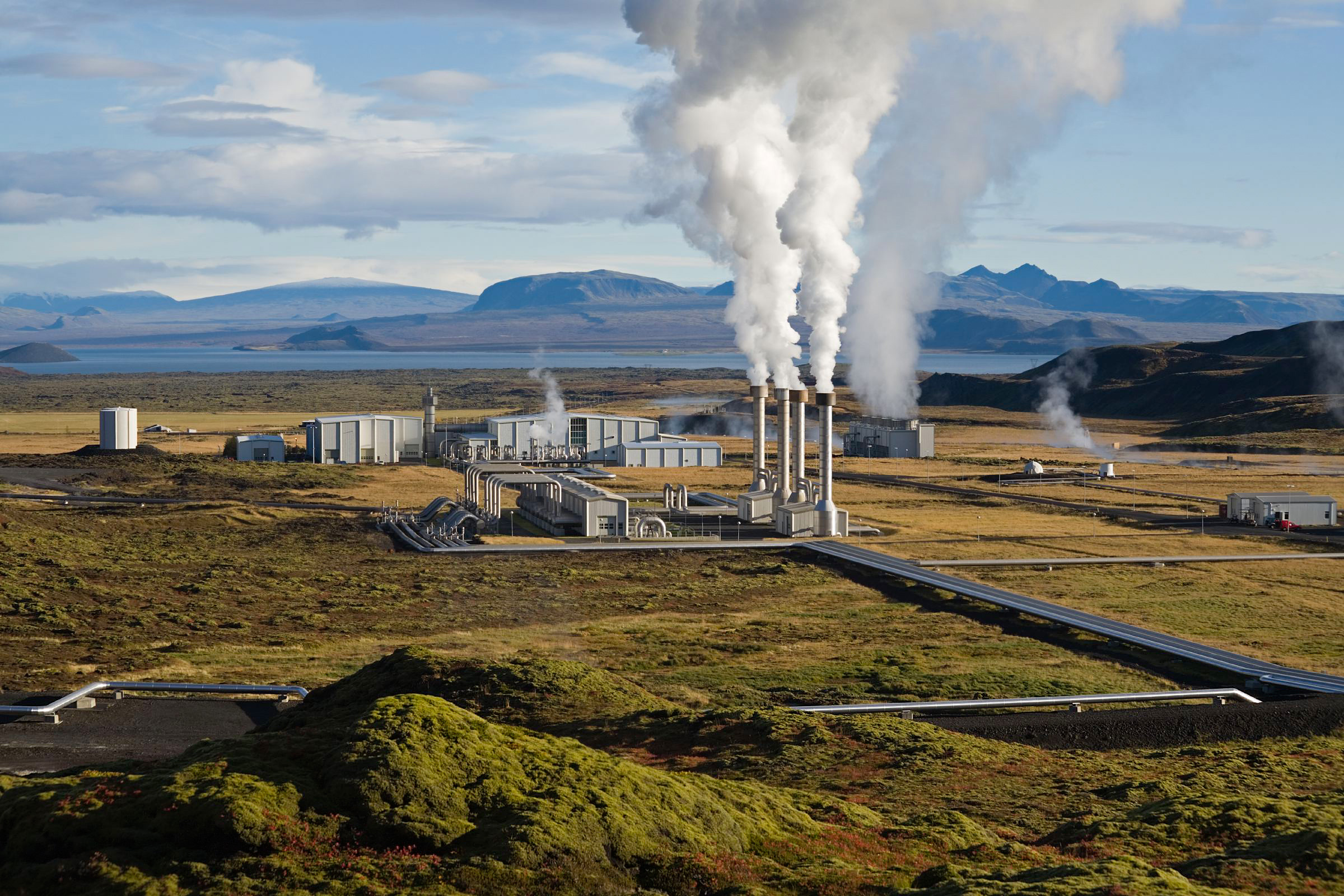
Binary cycle plants can use lower-temperature resources (below 180°C) and are becoming the dominant technology for new installations. They run a closed loop: geothermal fluid heats a secondary working fluid (often an organic compound with a low boiling point) via a heat exchanger, the secondary fluid drives the turbine, and the geothermal fluid is reinjected without ever touching the turbine. Most plants built in recent years have been binary. Operating a binary plant requires understanding both sides of the heat exchanger, managing ORC (Organic Rankine Cycle) turbines, and coaxing output from resources a flash plant could not use. Turboden and Exergy International are the leading ORC equipment suppliers, and knowing their systems is valuable.
Enhanced Geothermal Systems (EGS)
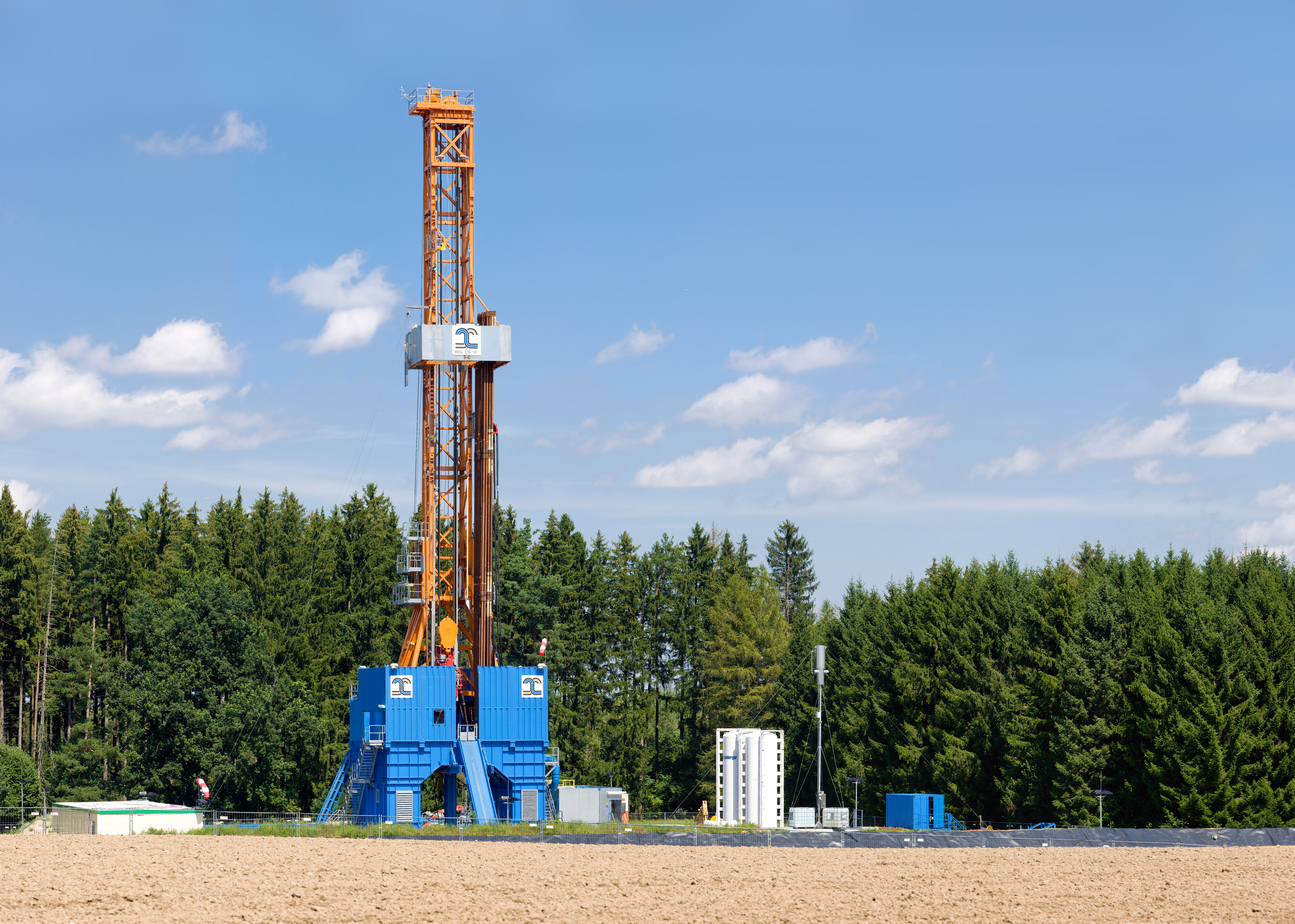
EGS uses hydraulic and thermal stimulation to fracture hot rock and create permeability where none exists naturally. It is geothermal's fracking moment - adapting oil and gas techniques for renewable energy. Fervo Energy employs horizontal drilling, distributed fibre optic sensing, and multi-stage well stimulation borrowed directly from shale gas. Their 3.5 MW Project Red pilot in Nevada powered Google data centres from 2023. Fervo has since cut drilling time 70% at Cape Station in Utah, using techniques refined in the Permian Basin.
For workers, EGS means exposure to advanced drilling operations, reservoir engineering, and real-time data analytics. If you have worked in unconventional oil and gas, your skills - directional drilling, hydraulic fracturing, downhole instrumentation - transfer almost directly. The equipment is familiar: mud pumps, coiled tubing, blowout preventers. The difference is scale (fewer wells), temperature (150-250°C, with superhot variants beyond 300°C), and regulatory environment (renewable energy incentives rather than fossil fuel economics).
Direct use and district heating
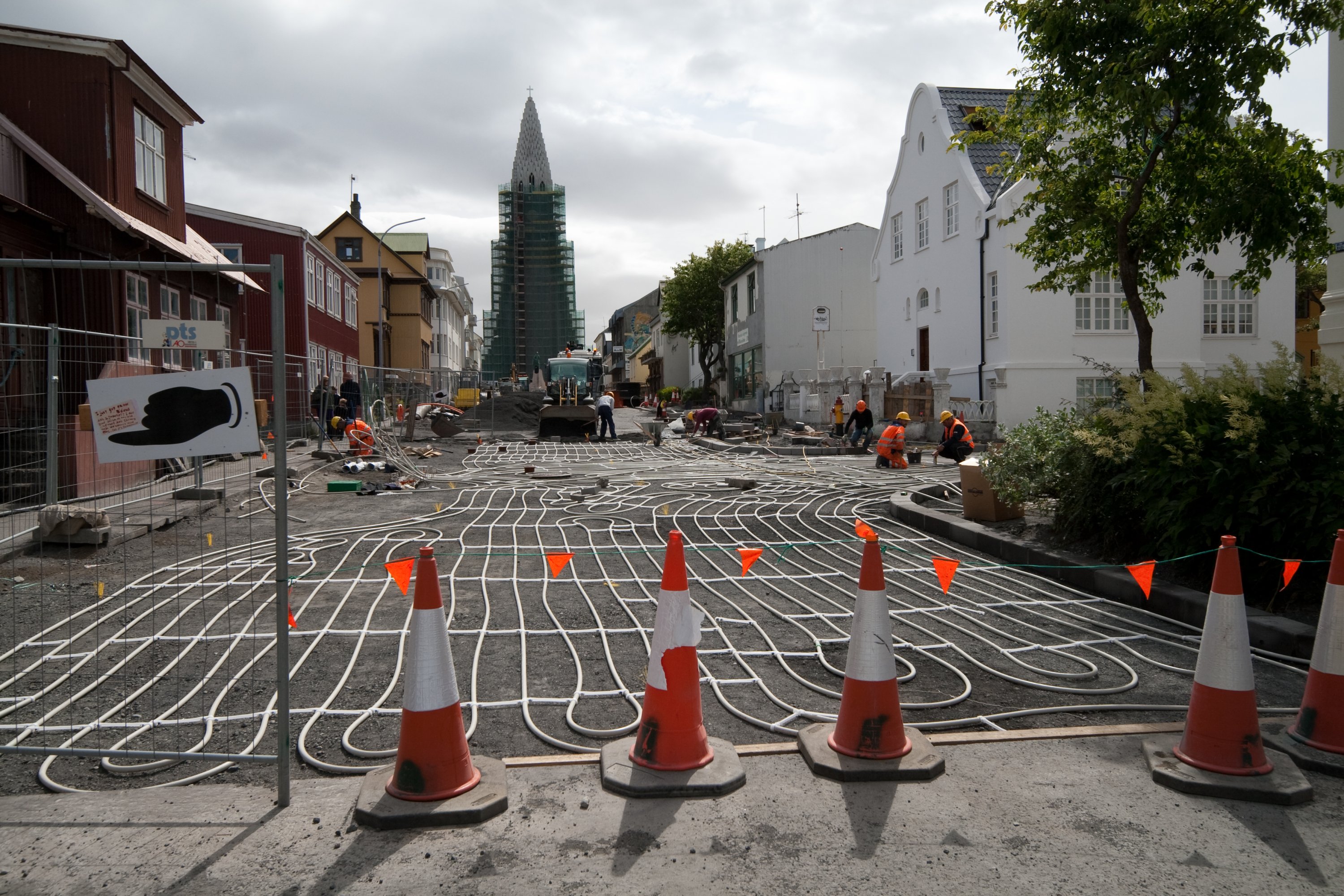
Direct use extracts heat for buildings, industry, agriculture, or district heating networks without generating electricity. Iceland provides over 90% of its space-heating demand from geothermal, piping hot water from power plants directly to Reykjavik's homes. Innargi is building large geothermal district heating systems in Denmark, including a 26 MW plant for roughly 10,000 Greater Copenhagen households. Germany's Stadtwerke München is targeting 560,000 households with geothermal heating by 2040.
District heating roles involve managing pipe networks, heat exchangers, and customer connections rather than turbines and generators. You are operating infrastructure similar to municipal water systems but carrying 60-90°C water across kilometres. Maintenance technicians inspect pipelines, diagnose leaks, and manage seasonal load variations. The work is less remote than power plant operations - district heating serves cities - but requires deep knowledge of hydraulic systems, heat pump integration, and urban infrastructure.
Ground-source heat pumps are not deep geothermal
Ground-source heat pumps (GSHP) are called "geothermal" in North America but work on a completely different principle. They circulate fluid through shallow loops (1 to 200 metres) to extract low-grade solar heat stored in the ground, then use a heat pump to upgrade it for space heating. This is NOT the same as deep geothermal. A GSHP installer digs trenches, lays pipe, connects heat pumps, and sizes systems for individual buildings. It is closer to HVAC work than to geothermal engineering. Pay is lower - €2,000-€3,500/month in the Netherlands, around €3,400/month median in Germany - but the market is vast and grows with every building electrification mandate.
The distinction matters when reading job adverts: deep geothermal means power generation, district heating, reservoir engineering, and drilling. Heat pump installers are a separate and much larger workforce.
How many people work in geothermal
IRENA reports 160,000 geothermal jobs globally as of 2024, though the count depends on what you include. Power generation and district heating employ roughly 68,000 people directly, with indirect jobs and heat-pump installation pushing the total higher.
Europe presents the clearest near-term growth signal. Italy's geothermal technological district in Tuscany already employs around 700 Enel Green Power staff, and planned buildout points to tens of thousands more - Enel plans €3 billion in investment for two new 100 MW plants by 2030. The Netherlands' Masterplan Aardwarmte projects the sector growing from around 240 full-time roles in 2018 to roughly 2,400 by 2030, and 3,400 by 2050, as greenhouse heating scales. Germany needs 24,000 workers if it hits its 10 TWh target. Iceland's energy sector anticipates 20,000-25,000 new job openings over the next decade, many in geothermal, as the country expands renewable energy exports.
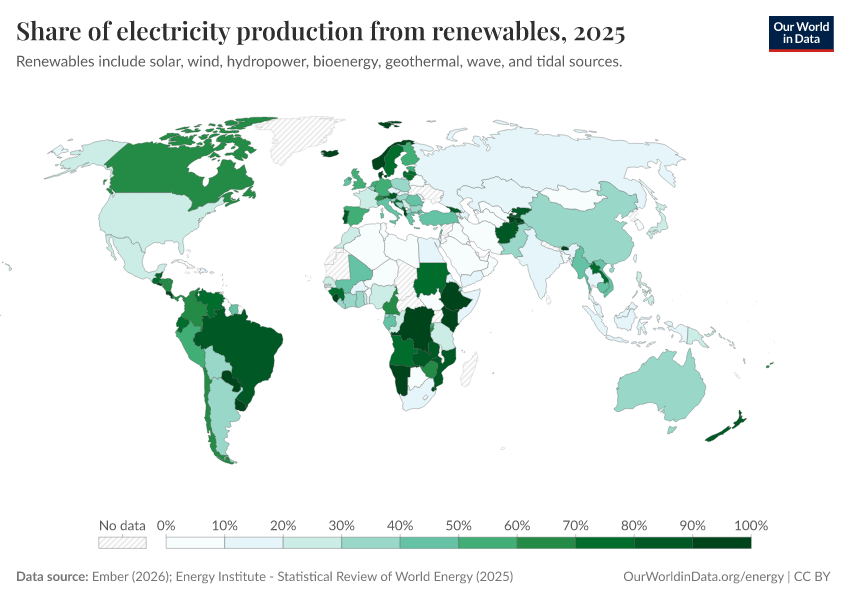
Indonesia's geothermal workforce is the largest outside Europe, with 5,200 direct professional workers and roughly 870,000 indirect jobs across the supply chain - a high multiplier driven by the country's ambition to become the world's largest geothermal producer by 2030. The United States has approximately 8,870 geothermal employees, concentrated in California and Nevada.
The job creation multiplier varies by project phase. During construction, each megawatt of installed capacity creates roughly 6.4 person-years of jobs (direct construction and equipment manufacturing combined). Once operational, a geothermal plant sustains 1.17 to 1.7 permanent jobs per MW for 30 to 50 years - longer than wind or solar. At the World Bank's lifecycle multiplier of 34 jobs per megawatt, geothermal's employment density is higher than wind (19 jobs/MW) or solar (12 jobs/MW).
Working conditions
The difficulty is not intellectual - reservoir modelling and drilling engineering demand serious technical skill - but physical: discomfort, isolation, and a working life organised around long stretches away from home.
Geothermal sites sit where geology dictates. Indonesia's 127 active volcanoes are often in mountainous jungle. Kenya's Olkaria is at high altitude in the Rift Valley. Iceland's geothermal fields are in volcanic zones that can be snowed in for months. Turkey's newer EGS projects are testing wells in remote eastern provinces. These are not commuter jobs.
Field roles typically operate on rotation schedules: 15 days on/5 days off, or 14 on/7 off, with 12-hour shifts during rotations. One job posting for a drilling engineer in Utah required 75-100% travel. Housing is usually provided on-site or nearby, but workers are away from home for weeks at a time. Employers attract talent to these locations with competitive salaries, relocation packages, extended leave policies, and flexible scheduling, but the lifestyle is not for everyone.
The physical environment is demanding. Technicians work outdoors in all weather conditions, exposed to extreme temperatures. Drilling sites involve hazardous conditions: high-pressure wells, caustic geothermal brine, hydrogen sulphide gas, and heavy machinery. Safety equipment is mandatory - helmets, gloves, hearing protection, respirators. Manual labour is routine: digging trenches, lifting equipment of up to roughly 23 kg, operating excavators, crawling through tight spaces.
Office-based roles - reservoir engineers modelling subsurface flow, project developers negotiating land leases, electrical engineers designing grid connections - avoid most of the fieldwork but still require site visits. Even the best-paid engineering positions involve time in remote locations, often under tight project deadlines.
Geothermal is a poor fit for those seeking stable, predictable, urban-based work. For workers comfortable with rotation schedules, remote conditions, and the kind of problem-solving that happens when equipment fails at 2 AM in a muddy drill yard 200 kilometres from the nearest city, the sector pays well and hires consistently.
Roles by subsector
Geothermal power generation
Geothermal plant operators run day-to-day operations: monitoring turbines, adjusting well flow rates, recording data, performing routine maintenance. You are watching SCADA screens, inspecting equipment, responding to alarms, and coordinating with maintenance teams. Shifts are typically 12 hours, and schedules can change with production demands. In Iceland, energy-utility technicians earn around ISK 14 million/year (roughly €93,000). Italian operators at Enel's Tuscan plants start from a sector pay floor of about €33,000, with senior site roles reaching well above €70,000.
Geothermal engineers design systems, raise plant output, and troubleshoot problems. In Germany, they earn €80,600/year. Italian geophysicists at geothermal operators earn around €78,300/year. New Zealand pays NZD $102,500 (roughly €59,000). The US sits across a wide range from $91,000 nationally to $145,000 in California where the Geysers operators concentrate.
Reservoir engineers model subsurface fluid flow, predict well productivity, and plan drilling campaigns. This is the most analytically intensive role, requiring strong skills in thermodynamics, fluid mechanics, and numerical modelling. Germany offers €95,400 for petroleum reservoir engineers - the closest proxy for geothermal. The Netherlands averages €74,000. In the US, reservoir engineers earn around $124,000/year, with top earners exceeding $166,000.
Project managers oversee development from permitting through commissioning. They coordinate drilling contractors, equipment suppliers, environmental consultants, and grid operators while managing multi-million-euro budgets over 3-7 year timelines. Iceland pays around ISK 856,000/month (general project managers). US geothermal project managers earn $92,000/year on average, with California roles commanding $160,000-$250,000.
Drilling and well services
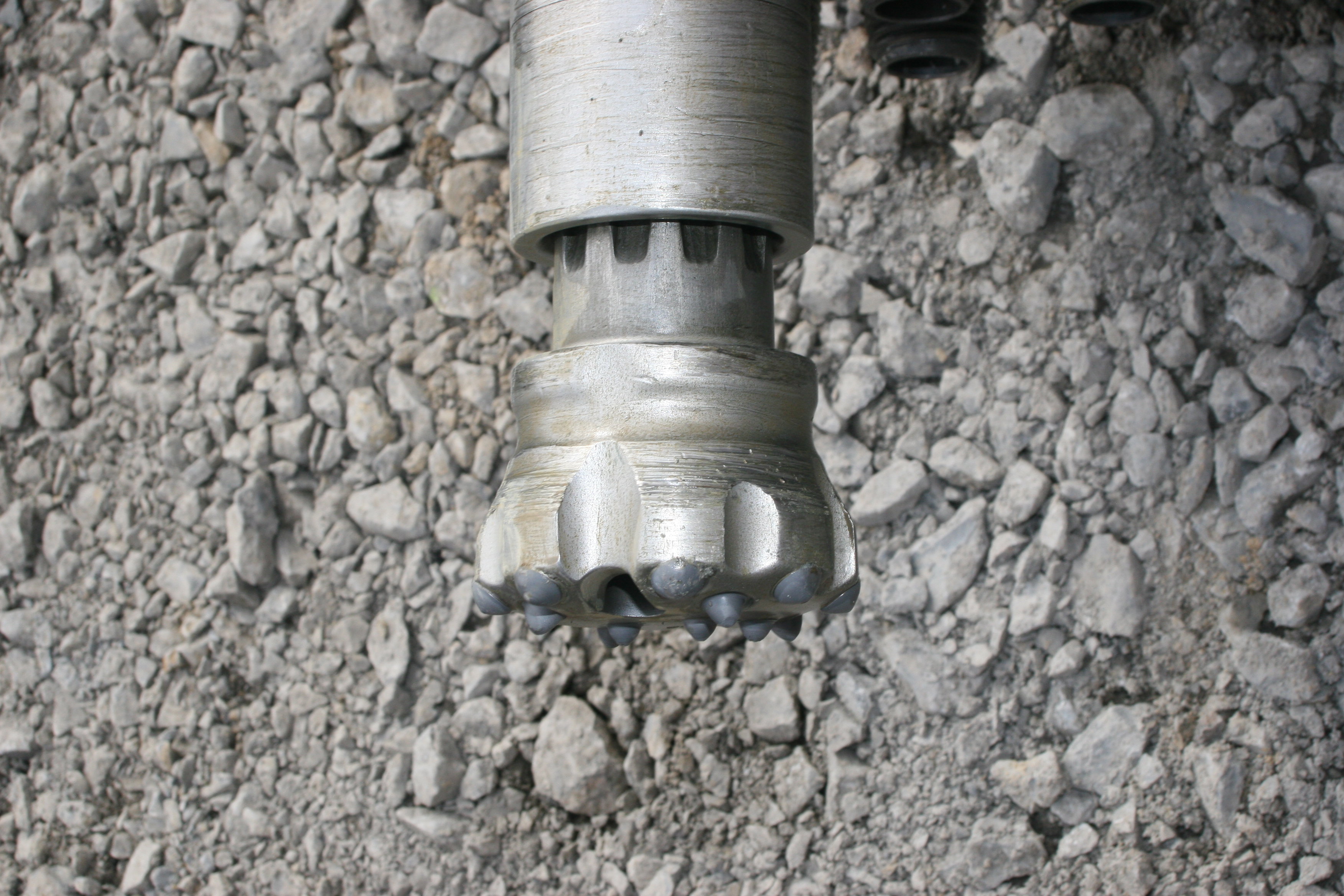
Drilling engineers plan well trajectories, select drill bits, manage mud programmes, and supervise drilling operations. Geothermal wells can exceed 3,000 metres in depth and encounter temperatures above 300°C, requiring specialised equipment and expertise. The work involves long shifts on-site during drilling campaigns, often in remote locations. New Zealand pays NZD $102,500 (geothermal engineer proxy). The US offers $109,400/year. Kenya, where KenGen is expanding Olkaria, pays drilling engineers KES 120,000-180,000/month (€750-1,125), with senior roles reaching KES 210,000.
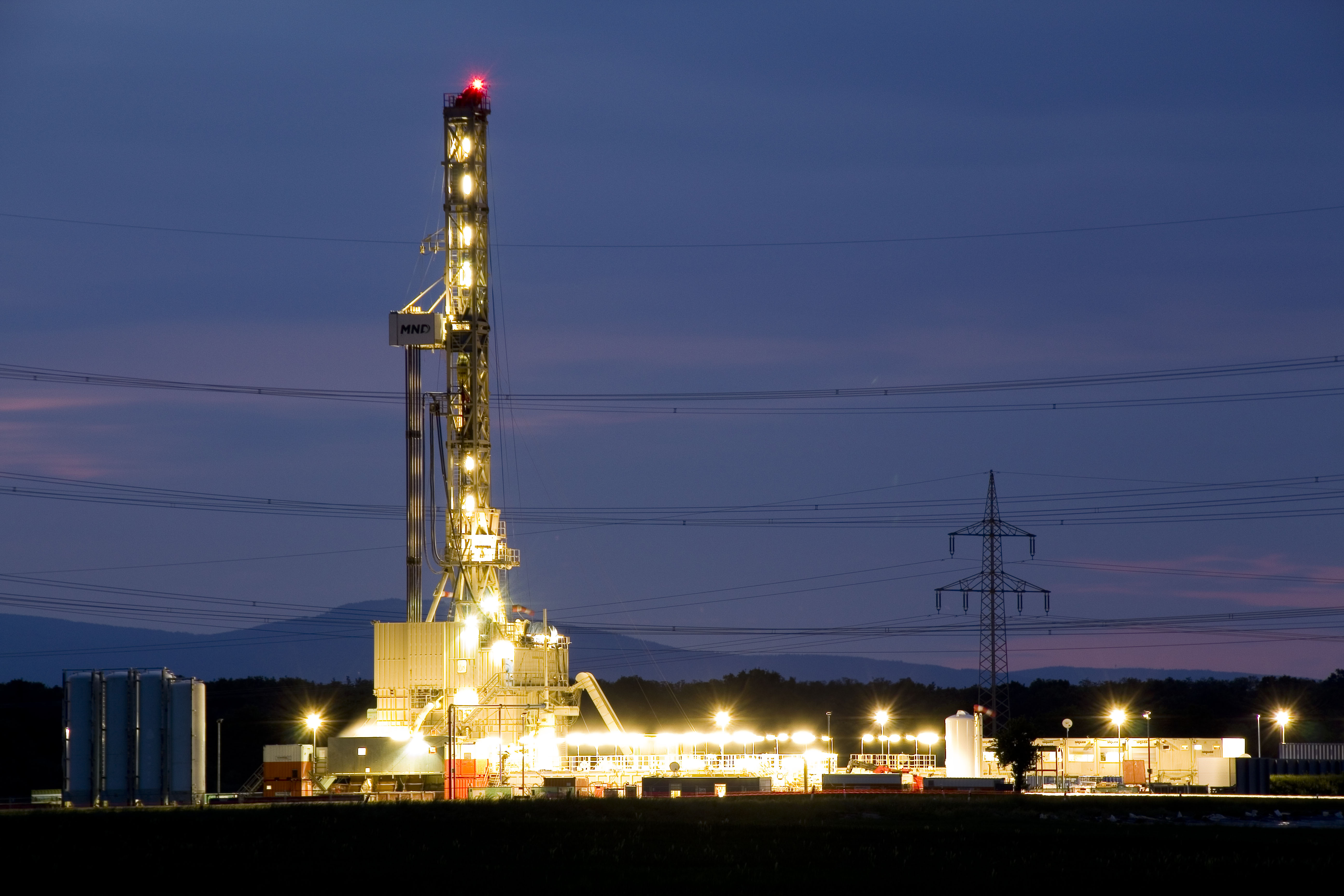
Drillers and rig operators run the equipment: operating drawworks, managing casing and cementing, and troubleshooting mechanical failures. This is hands-on, shift-based work with heavy physical demands and real safety risks. It is also where oil and gas workers transition most easily - the rigs, the procedures, and the language are nearly identical.
Geologists and geophysicists
Exploration geologists identify prospective geothermal resources using surface surveys, geochemical sampling, and geological mapping. Reservoir geologists interpret well data, map fracture networks, and build subsurface models. Iceland pays geologists ISK 14.1 million/year and geophysicists ISK 15.9 million. Italy offers €78,300/year for geophysicists. Turkey pays 1.31 million TRY/year (around €42,000) in Istanbul. The US averages $118,500 for geophysicists, though geothermal-specific geologist roles can be closer to $61,400.
District heating and direct use
District heating operators manage pipe networks that carry geothermal water from source wells to end users. They monitor flow rates, temperatures, and pressures; respond to leaks; and coordinate maintenance. In Germany, heating workers earn €51,900/year. The Netherlands pays HVAC technicians (a reasonable proxy) €55,900/year.
District heating project developers secure permits, negotiate with municipalities and property owners, arrange financing, and manage construction of new networks. Companies like Innargi in Denmark and Stadtwerke München in Germany are actively expanding their teams as they scale geothermal district heating.
Heat pump installation
Ground-source heat pump installers dig trenches, lay pipe loops, connect heat pump units, and commission systems. The work is physical and weather-exposed but less remote than drilling or power plant operations. The Netherlands pays €2,000-€3,500/month gross (€24,000-€42,000/year), with experienced technicians and freelancers earning more. Germany offers €3,367/month median (€40,400/year), with master technicians (Meister) reaching €55,000-€70,000. The US averages $78,000/year nationally.
Key employers
Power generation
Enel Green Power - Italy Operates all 34 geothermal plants in Tuscany, including Larderello (world's first commercial geothermal power station, 1913). Planning €3 billion investment for two new 100 MW plants by 2030. Tuscan concessions extended to 2046.
Reykjavik Energy / ON Power - Iceland Operates Hellisheiði Power Station (303 MW electricity, 200 MWth district heating). Supplies district heating to most of Reykjavik. Investment programme for 2025-2029 expansion currently under appraisal.
Zorlu Energy - Turkey Operates the Kizildere complex in Denizli, Turkey's largest geothermal site. Kizildere 3 (165 MW) is among the most efficient plants in its 230-250°C resource class. Partnership with Pertamina. Active exploration at the Diyadin project in eastern Turkey.
KenGen - Kenya Africa's largest geothermal producer, operating the Olkaria complex with 754-799 MW capacity. Rehabilitating Olkaria I (63 MW, in final commissioning as of mid-2026) and developing Olkaria VII (80 MW, due 2027). The company recently filled 34 positions across departments.
Contact Energy - New Zealand Opened 174 MW Tauhara plant in November 2024 (NZD $924 million, powers 200,000 homes). Building Te Mihi Stage 2 (101 MW, NZD $712 million, completion September 2027). Supplies around 20% of New Zealand's electricity.
Energy Development Corporation (EDC) - Philippines Operates 61% of the Philippines' geothermal capacity (~1,185 MW) at Leyte, Southern Negros, and other fields. Added 82 MW in 2024 through the Palayan and Tanawon binary plants and has allocated $434 million for Southern Negros expansion.
Pertamina Geothermal Energy - Indonesia State-owned operator managing roughly 727 MW across Kamojang, Lahendong, Lumut Balai, Ulubelu, Karaha, and Sibayak. Targeting 1 GW within two to three years and 1.7 GW by 2034. Commissioned Lumut Balai Unit 2 in June 2025. Running a green hydrogen pilot at Ulubelu.
Star Energy Geothermal - Indonesia Operates 886 MW across Wayang Windu, Salak, and Darajat in West Java. Announced 102.6 MW expansion with $346 million investment. Partnership with ABB for automation modernisation.
Ormat Technologies - USA/Israel Global developer with a 1,355 MW combined geothermal and solar generation portfolio across USA, Kenya, Guatemala, Honduras, Indonesia, and Guadeloupe. Acquired Enel Green Power North America's geothermal assets for $271 million in 2024. Targeting 2.6-2.8 GW total generation by 2028. Partnership with SLB for EGS.
District heating
Innargi - Denmark Develops and operates large geothermal district heating facilities. Aarhus plant operational (EU's largest geothermal heating plant). Greater Copenhagen agreement signed November 2024: 26 MW geothermal supplying roughly 10,000 households as part of Vestforbrænding's 39,000-customer district heating expansion. Projects in Virum and Hørsholm.
Stadtwerke München - Germany Targeting 560,000 households on geothermal heat by 2040. Operates a growing portfolio of deep geothermal wells in the Munich Molasse Basin, the largest concentration of district-heating geothermal in continental Europe.
Drilling and services
Iceland Drilling Company - Iceland 70+ years of experience in geothermal well construction. Delivers high-temperature deep wells and district heating wells worldwide. 60% owned by Archer Limited since 2024. Joint venture with Elemental Energies; contracted for geothermal drilling on Nevis.
Baker Hughes - USA Provides drilling technology, specialised drill bits rated for temperatures above 200°C, and ORC power generation equipment. September 2025 contract with Fervo for five ORC plants (Cape Station Phase II, 300 MW by 2028). Developed prototype equipment for 550°C supercritical wells in Iceland.
Schlumberger (SLB) - USA Acquired GeothermEx in 2010, building a leading geothermal consulting practice. Full-spectrum services: resource assessment, drilling, development. 2024-2025 partnership with Ormat for EGS.
Next-generation developers
Fervo Energy - USA Develops Enhanced Geothermal Systems using horizontal drilling and fibre optic sensing. Cape Station (Utah): 320 MW PPA with Southern California Edison, first 70 MW phase targeting 2026. 3.5 MW Project Red pilot in Nevada (2023) powered Google data centres. Achieved 70% reduction in drilling time at Cape Station.
Eavor Technologies - Canada Closed-loop geothermal systems (Eavor-Loop) without fracking or aquifer access. First commercial grid power delivered December 2025 at Geretsried, Germany (4.5 km vertical depth). €130 million in EU-backed support announced May 2024, plus up to C$138 million from the Canada Growth Fund in 2025. 50% reduction in drilling time per well.
CeraPhi Energy - UK Repurposes existing oil and gas wells for geothermal. Over £300 million of development pipeline, with active sites in North Yorkshire and consulting across the UK, North Africa, the Caribbean, the EU, and the US.
Heat pump manufacturers
NIBE Group - Sweden Leading manufacturer of ground-source heat pumps, heating systems, and ventilation. Major European market leader alongside Viessmann and Daikin.
Viessmann Climate Solutions - Germany Major heating and cooling systems manufacturer, including geothermal heat pumps. Acquired by Carrier Global for €12 billion in January 2024. Heat-pump production centred in Germany, with further European sites.
Daikin - Japan (European operations) Europe's leading hydronic heat pump manufacturer. Over 1.4 million hydronic heat pumps installed across Europe since 2006. New €300 million Polish manufacturing facility in Ksawerów began production in 2024.
Stiebel Eltron - Germany Nearly 50 years of heat pump manufacturing. Turnover passed €1 billion for the first time in 2022. A €600 million programme announced that year is expanding heat pump production.
Dandelion Energy - USA Leading US residential geothermal installer. September 2024 launched "Dandelion Geo" heat pump. Partnership with Lennar for 1,500 Colorado homes - one of the largest US residential geothermal deployments.
Skills transfer from other industries
The closest adjacent sector is oil and gas drilling. Directional drilling, well construction, cementing, drilling fluids, downhole tools, reservoir management, and rig operations all transfer nearly 1:1. Fervo Energy's leadership includes veterans from Halliburton and BHP. If you have worked on a drilling rig in the North Sea or the Permian Basin, you can work on a geothermal rig in Iceland or Indonesia with minimal retraining - the main differences are higher temperatures, longer well lifetimes, and reinjection rather than production decline curves.
HVAC technicians transition into heat pump installation and binary cycle plant operation. Understanding heat exchangers, fluid loops, and thermodynamics gives you most of what you need. The step from installing residential air conditioning to commissioning a binary cycle ORC turbine is larger, but the fundamentals are shared.
Civil engineers fit naturally into district heating project development, geothermal field infrastructure, and well pad construction. Permitting, environmental compliance, and site planning require the same skill set whether you are building a motorway or a geothermal plant.
Mining professionals - especially hard rock drillers - understand the challenges of working underground in difficult conditions. EGS and supercritical geothermal projects drilling to 4-10 km depths in hard crystalline rock overlap closely with deep mining operations.
What geothermal roles pay
Geothermal consistently pays above average for renewable energy roles, reflecting the technical complexity, remote locations, and relatively small talent pool.
| Role | Italy | Iceland | Germany | New Zealand | USA |
|---|---|---|---|---|---|
| Geothermal engineer / geophysicist | €78,300 | ISK 12.9M (€85,000) | €80,600 | NZD 102,500 (€59,000) | $91,000-145,000 |
| Reservoir engineer | - | - | €95,400 | - | $124,000 |
| Drilling engineer | - | - | - | NZD 102,500 (€59,000) | $109,400 |
| Geologist / Geophysicist | €78,300 | ISK 14-16M (€93-106,000) | - | - | $118,500 |
| Project manager | - | ISK 10.3M (€68,000) | - | - | $92,000-250,000 (CA) |
| District heating operator | - | - | €51,900 | - | - |
| Heat pump installer | - | - | €40,400 | - | $78,000 |
Salary data from SalaryExpert, Glassdoor, ZipRecruiter, and ERI. Figures represent mid-range estimates; actual pay varies by experience, location, and employer. ISK figures converted at ~152 ISK = €1; NZD at ~1.75 NZD = €1. US figures show national averages; California premiums can add 40-100%. Kenya drilling-engineer salaries cited in the role descriptions above: KES 120,000-210,000/month (€750-1,313) at ~160 KES = €1.
Shift work and 24/7 operations
Geothermal plants do not shut down. Unlike solar farms that go dark at night or wind turbines that idle when the air is still, geothermal delivers baseload power around the clock. That is its commercial advantage - utilities pay premium rates for reliable capacity - but it also defines the work rhythm. Power plants run continuous operations with rotating shifts. Drilling campaigns operate 24/7 once the rig is mobilised. District heating systems must respond to demand spikes on cold mornings regardless of the calendar.
If you want to work Monday to Friday, 9 to 5, from a fixed office, geothermal offers those roles - project developers, permitting specialists, financial analysts, sustainability consultants. But the core of the industry - the roles that pay the most and offer the fastest career progression - involves fieldwork, shift work, and time away from home. That is the trade. The compensation is real, the skills are valuable and transferable, and the sector is about to scale dramatically. But it will ask you to go where the heat is, and to stay there while the work gets done.
The jobs are out there. The question is whether you are willing to meet geothermal on its own terms.