
Renewable energy jobs · Climate Adaptation
-
Expired
 Washington, D.C., United StatesHybrid Full time More than 3 months agoUS$55,000–60,000 annually
 -
Expired
 Brussels, BelgiumHybrid Full time More than 3 months agoFrom €5,900 monthly
 -
Expired
 Washington, D.C., United StatesHybrid Internship More than 3 months agoFrom US$20 hourly
 -
Expired
 Seoul, South KoreaFlexible Full time 2 months agoUS$67,650–73,530 annually
 -
Expired
 London, United KingdomHybrid Full time More than 3 months agoFrom £30,000 annually
 -
Expired
 Ciudad de México, Mexico + 2 locationsFlexible Full time A day agoUS$45,000–65,000 annually
 -
Expired
 IndonesiaOn-site Full time More than 3 months ago
 -
Expired
 United States of AmericaRemote Full time More than 3 months agoUS$160,000–200,000 annually
 -
Expired
SingaporeFlexible Full time 2 months agoUS$92,000–100,000 annually
-
Expired
 Irvine, California, United StatesOn-site Contract position 8 days ago
 -
Expired
Dubai, United Arab EmiratesFlexible Full time More than 3 months ago
-
Expired
 Somerville, Massachusetts, United StatesHybrid Full time More than 3 months ago
 -
Expired
 Brussels, BelgiumHybrid Full time More than 3 months ago
 -
Expired
Irvine, California, United StatesOn-site Contract position 8 days ago
-
Expired
Washington, D.C., United StatesHybrid Full time More than 3 months agoUS$100,000–120,000 annually
Climate Adaptation Jobs in Renewable Energy
What Climate Adaptation Actually Means in Renewable Energy
Climate adaptation roles sit at the intersection of renewable energy deployment and resilience planning. Unlike general sustainability positions focused solely on emissions reduction, these roles address how energy systems must evolve to withstand increasingly volatile weather patterns, grid stress, and resource constraints. Professionals develop strategies that make renewable infrastructure climate-resilient while helping organizations understand their exposure to physical climate risks.
The work differs fundamentally from Net Zero Solutions. While net zero focuses on emissions pathways, adaptation specialists evaluate how rising temperatures affect solar panel efficiency, how extreme weather impacts Wind Farms, or how drought conditions influence Hydropower reliability. These professionals combine technical knowledge with Risk Management to future-proof energy projects.
Employers and Backgrounds That Succeed
Carbon consultancies like ClimatePartner, EcoAct, and South Pole lead hiring in this space, alongside specialized firms like 3Degrees. Large energy operators such as Fortum and Albioma increasingly need adaptation expertise embedded in project planning.
Successful candidates typically combine environmental science credentials with business acumen. According to EESI's climate jobs analysis, adaptation roles span natural resource management, infrastructure development, and policy work. Those transitioning from Consulting, Environmental Management, or Energy Analytics adapt well, particularly when they bring data analysis capabilities and stakeholder engagement skills.
In-Demand Specializations
Roles span from Carbon Consultants and Sustainability Consultants to more technical positions like Carbon Reduction Engineers and Atmospheric Data Scientists. Senior positions include Chief Sustainability Officers and Client Engagement Managers who bridge technical assessment with commercial strategy. Entry pathways exist through associate consultant roles and specialized graduate programs.
Geographic hubs cluster in London, Berlin, Brussels, Amsterdam, and Oslo in Europe, with North American concentration in Washington, D.C. and San Francisco. This reflects both regulatory drivers and the concentration of large renewable energy portfolios requiring adaptation planning.
Where the Field Is Heading
The integration of Climate Modeling with Predictive Models is creating demand for hybrid roles that combine atmospheric science with energy systems knowledge. Professionals who understand both Policy and Regulatory Analysis and technical energy infrastructure command premiums, particularly as climate disclosure requirements expand under frameworks like TCFD and the EU's Corporate Sustainability Reporting Directive.
The distinction between adaptation and mitigation work continues to blur. Organizations increasingly seek professionals who can simultaneously design resilient energy systems while advancing decarbonization goals, making this one of renewable energy's fastest-evolving specializations.
Last updated on Apr 3, 2026 | Report an issue
Get job alerts
Get alerts for Climate Adaptation jobs
Join Talent Pool
Let clean energy employers find you
Featured jobs




Renewable energy blog posts
-

Renewable Energy Forecast for 2030
By 2030, renewables are poised to supply nearly half of global electricity, with solar and wind leading this explosive expansion. In this data-driven piece, we explore job creation forecasts, supply chain bottlenecks, and policy hurdles. -

Fastest Growing Renewable Energy Sector: Data and Trends
In 2023, solar photovoltaics surged by 32.59%, officially making it the fastest-growing renewable energy source worldwide. Yet offshore wind, which soared by 57.87% in 2021, remains a formidable competitor in total electricity output due to its high capacity factor. This concise overview highlights how policy incentives, cost reductions, and manufacturing advances are propelling solar to the forefront of the global energy transition. -
Career Opportunities in Solar Energy
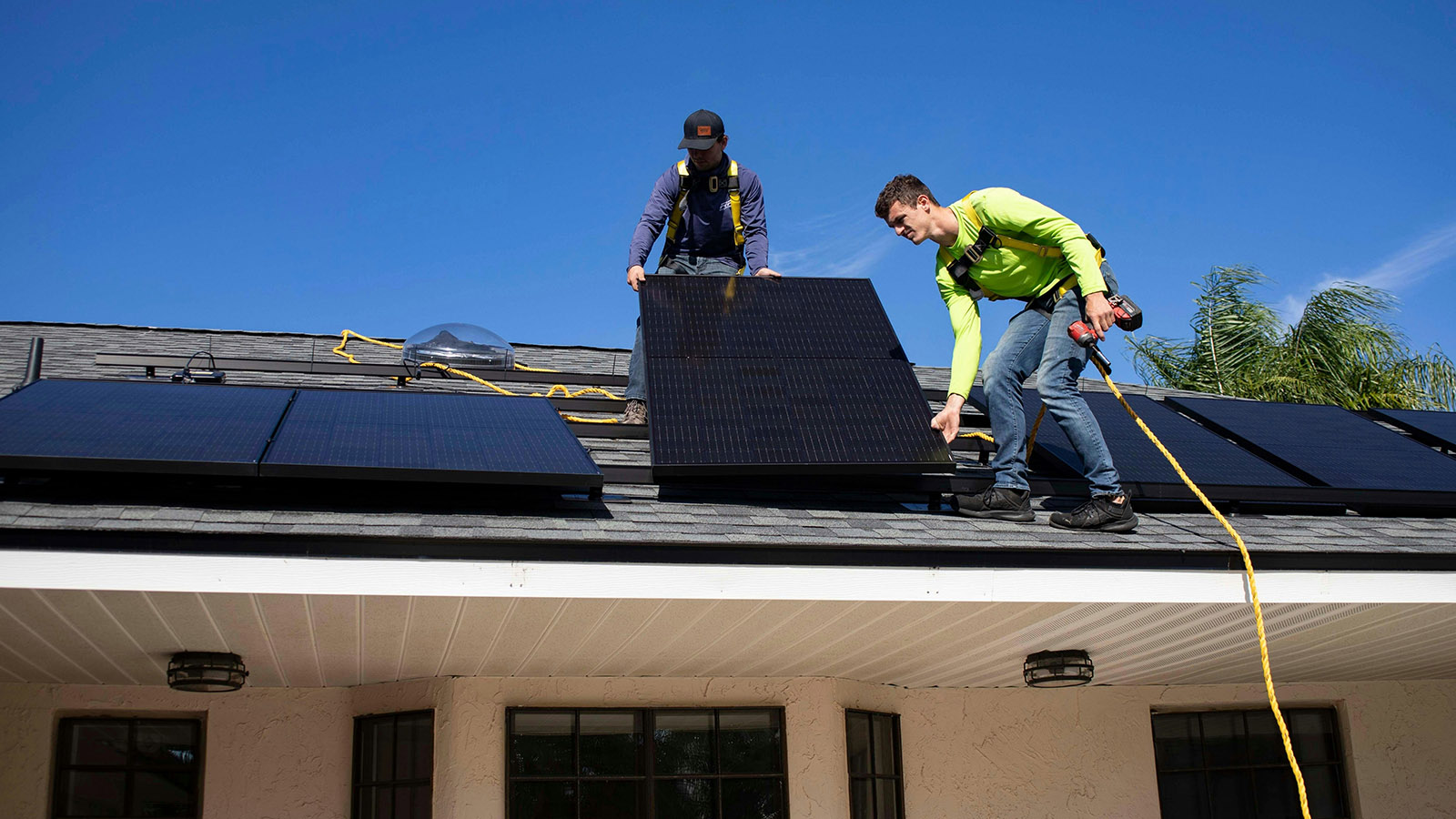
The solar energy sector is experiencing unprecedented growth, with over 7.1 million jobs in solar PV alone as of 2023. For professionals considering a career shift into renewable energy, solar offers pathways across R&D, manufacturing, project development, and operations.
