
Renewable energy jobs · Wind Farms
-
 On-site Full time A day ago
 -
 On-site Full time A day ago
 -
 Hybrid Full time A day ago
 -
 Flexible Full time A day ago
 -
 On-site Full time A day ago
 -
 Hybrid Full time A day ago
 -
 On-site Full time A day ago
 -
 Flexible Full time A day ago
 -

-
On-site Full time A day ago
-

-
Flexible Full time A day ago
-
On-site Full time A day ago
-
 On-site Full time Today
 -
Flexible Full time A day ago
Wind Farm Jobs in Renewable Energy
Wind farms - clusters of turbines sited to capture prevailing winds onshore or offshore - are the operational backbone of Europe's wind energy sector, which today supports 443,000 jobs across the continent. Europe's installed wind capacity hit 304 GW in 2025 after adding 19.1 GW in a single year, with €45 billion invested in projects still to be built.
What wind farm roles involve
Working on a wind farm means operating and maintaining a living industrial asset - not just the turbines but the electrical infrastructure, access roads, substations, and monitoring systems that keep power flowing. Wind turbine technicians handle blade inspections, gearbox servicing, and control system diagnostics. Site managers coordinate scheduled maintenance windows to minimise generation losses. Wind analysts use SCADA data and meteorological models to optimise energy yield. The distinction between onshore and offshore roles is not just geographic - offshore wind farms demand marine logistics, helicopter transfers, and extended rotation schedules that filter the workforce significantly.
Who hires
Wind farm employers span the full lifecycle. Turbine OEMs like Nordex and Vestas employ tens of thousands globally and dominate service contracts for the first decade of a turbine's life. Independent developers such as UKA, wpd, and Boralex build and operate their own fleets, often hiring site managers, permitting specialists, and operations engineers directly. Consultancies like Natural Power fill the gap with wind resource assessment, due diligence, and technical advisory roles. ENERCON, Goldwind, and KK Wind Solutions reflect the international supply chain that connects European wind farms to global manufacturing.
Where the demand concentrates
Hamburg is the undisputed capital of European wind energy employment, with the highest density of wind farm-related vacancies. Northern Germany more broadly - Rostock, Bremen, Dresden - accounts for a disproportionate share of roles, driven by proximity to both onshore clusters in Schleswig-Holstein and offshore projects in the North and Baltic Seas. Beyond Germany, Madrid serves as a hub for Spain's 31 GW installed base, while Glasgow and London split UK demand between Scotland's offshore buildout and London-based development teams. Copenhagen reflects Denmark's historical dominance in turbine manufacturing and offshore development.
Skills shortages and what they mean for candidates
The European wind sector needs to grow from 443,000 to 607,000 jobs by 2030 just to meet planned deployment targets. The most acute shortages are hands-on: 7,000 blade technicians, 6,500 field engineers, and 5,000 pre-assembly technicians are needed before the decade ends. Eight out of ten critical shortage roles require vocational training rather than university degrees - a significant detail for career switchers. Senior wind analysts and project managers combining wind and battery storage experience command premiums as hybrid projects become standard.
What is shifting
Onshore wind dominated 2025 with 17.2 GW of new European capacity, while offshore additions slumped to just 2 GW - the lowest since 2016. That imbalance will reverse sharply: the Hamburg Declaration commits European nations to 100 GW of joint offshore wind, and the project pipeline includes multi-gigawatt developments in Denmark, Sweden, and the North Sea. Repowering older onshore sites with larger, more efficient turbines is creating a parallel demand stream - 2 GW of European capacity was repowered in 2025 alone. For job seekers, this means both the established onshore market and the accelerating offshore buildout are hiring simultaneously, with repowering adding a third growth vector that favours experienced technicians who understand legacy turbine systems.
Last updated on Apr 4, 2026 | Report an issue
Get job alerts
Get alerts for Wind Farms jobs
Join Talent Pool
Let clean energy employers find you
Featured jobs




Renewable energy blog posts
-

Renewable Energy Forecast for 2030
By 2030, renewables are poised to supply nearly half of global electricity, with solar and wind leading this explosive expansion. In this data-driven piece, we explore job creation forecasts, supply chain bottlenecks, and policy hurdles. -

Fastest Growing Renewable Energy Sector: Data and Trends
In 2023, solar photovoltaics surged by 32.59%, officially making it the fastest-growing renewable energy source worldwide. Yet offshore wind, which soared by 57.87% in 2021, remains a formidable competitor in total electricity output due to its high capacity factor. This concise overview highlights how policy incentives, cost reductions, and manufacturing advances are propelling solar to the forefront of the global energy transition. -
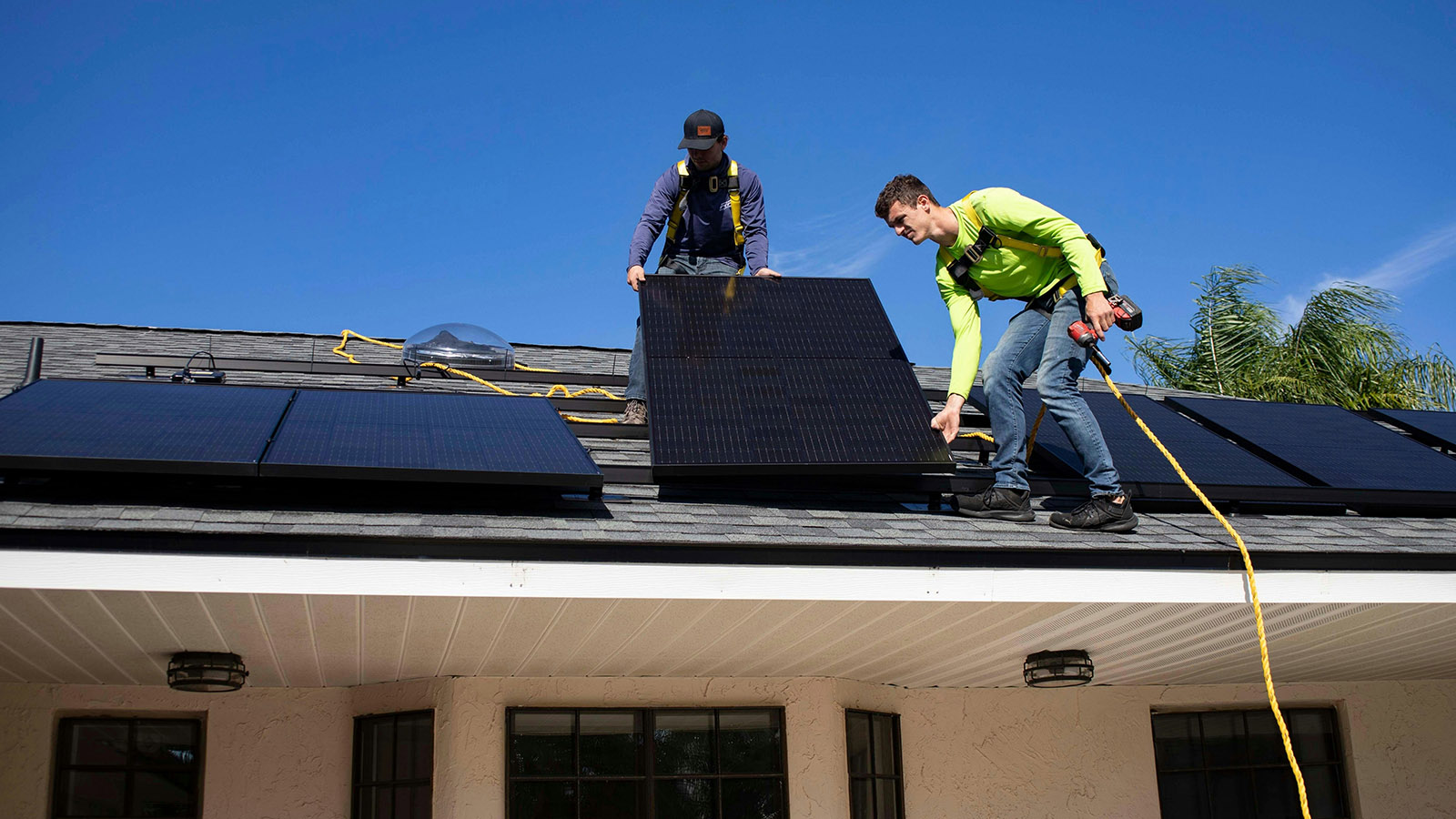
Career Opportunities in Solar Energy
The solar energy sector is experiencing unprecedented growth, with over 7.1 million jobs in solar PV alone as of 2023. For professionals considering a career shift into renewable energy, solar offers pathways across R&D, manufacturing, project development, and operations.
