
Renewable energy jobs · Logistics
-
 Hybrid Full time A day ago
 -
 On-site Contract position Today
 -
 On-site Full time A day ago
 -
On-site Full time A day ago
-
 Hybrid Full time 2 days ago
 -

-

-
 On-site Full time 2 days ago
 -
 On-site Full time 2 days ago
 -
 On-site Full time 2 days ago
 -
 On-site Full time 2 days ago
 -
 On-site Full time 2 days ago
 -
 On-site Full time 2 days ago
 -

-
Hybrid Full time 2 days ago
Logistics Jobs in Renewable Energy
Renewable energy logistics covers the coordination, transport, and warehousing of components - from solar panels and inverters to wind turbine blades exceeding 100 metres - that keep the energy transition physically moving. The global energy logistics market reached an estimated $538 billion in 2025, growing at roughly 13.5% annually as deployment accelerates and supply chains stretch across continents.
What makes renewable energy logistics distinct
The fundamental challenge is scale. A single onshore wind turbine requires 8 to 12 oversized truck loads for blades, tower sections, and nacelle, each needing route surveys, bridge clearance checks, and escort vehicles. Blades now routinely exceed 80 metres and cannot be folded or bent, which limits turn radii and rules out many roads entirely. The U.S. Department of Energy's Infrastructure and Logistics programme is funding research into flexible blade designs specifically to solve this transport bottleneck. Offshore wind adds port logistics - laydown areas, jack-up vessel scheduling, and weather-dependent installation windows. Solar projects generate different constraints: high-volume container shipments of panels and mounting systems requiring precise just-in-time delivery to avoid site congestion.
Multi-modal coordination is the norm. Components typically move by sea from manufacturing hubs in China, Vietnam, or India to European or North American ports, then transfer to road or rail for final delivery. A logistics coordinator on a utility-scale solar project might manage 200+ container deliveries across several months, tracking customs clearance, warehouse capacity, and installation crew schedules simultaneously.
Who hires and what the roles look like
The most common positions are warehouse coordinators, logistics coordinators, and warehouse associates - roles combining traditional supply chain management skills with domain knowledge of energy equipment handling. Logistics specialists and managers handle route planning, vendor coordination, and compliance with oversize transport regulations. Stock keepers and material handlers manage component inventory at manufacturing facilities and regional distribution hubs.
Major employers include turbine manufacturers like Vestas and Nordex, which run their own logistics operations for blade and tower delivery. Solar manufacturers such as Canadian Solar need warehouse and distribution staff at production sites. Wind services companies like KK Wind Solutions and FairWind hire logistics personnel for field installation and maintenance support.
Where the jobs concentrate
Hamburg leads European logistics postings, reflecting Germany's position as the continent's largest wind market and a major port hub for offshore component shipping. Szczecin in Poland has emerged as a logistics cluster serving the Baltic offshore wind buildout. In France, Bourbourg near Dunkirk supports the country's growing offshore wind supply chain. US hubs in Houston and Mesquite, Texas reflect the expanding American onshore wind and solar markets.
Skills that set candidates apart
Beyond standard procurement and inventory management expertise, renewable energy logistics rewards familiarity with oversize cargo regulations, port operations, and project-based delivery schedules. SAP and ERP proficiency appears in most job descriptions. Understanding health and safety requirements for heavy lift operations and hazardous materials - particularly battery components for the growing storage sector - adds real value. As turbine dimensions increase and battery storage deployment scales up, logistics complexity grows in step, and professionals who combine planning skills with hands-on warehouse experience are well positioned.
Last updated on Apr 14, 2026 | Report an issue
Get job alerts
Get alerts for Logistics jobs
Join Talent Pool
Let clean energy employers find you
Featured jobs



Renewable energy blog posts
-

Renewable Energy Forecast for 2030
By 2030, renewables are poised to supply nearly half of global electricity, with solar and wind leading this explosive expansion. In this data-driven piece, we explore job creation forecasts, supply chain bottlenecks, and policy hurdles. -

Fastest Growing Renewable Energy Sector: Data and Trends
In 2023, solar photovoltaics surged by 32.59%, officially making it the fastest-growing renewable energy source worldwide. Yet offshore wind, which soared by 57.87% in 2021, remains a formidable competitor in total electricity output due to its high capacity factor. This concise overview highlights how policy incentives, cost reductions, and manufacturing advances are propelling solar to the forefront of the global energy transition. -
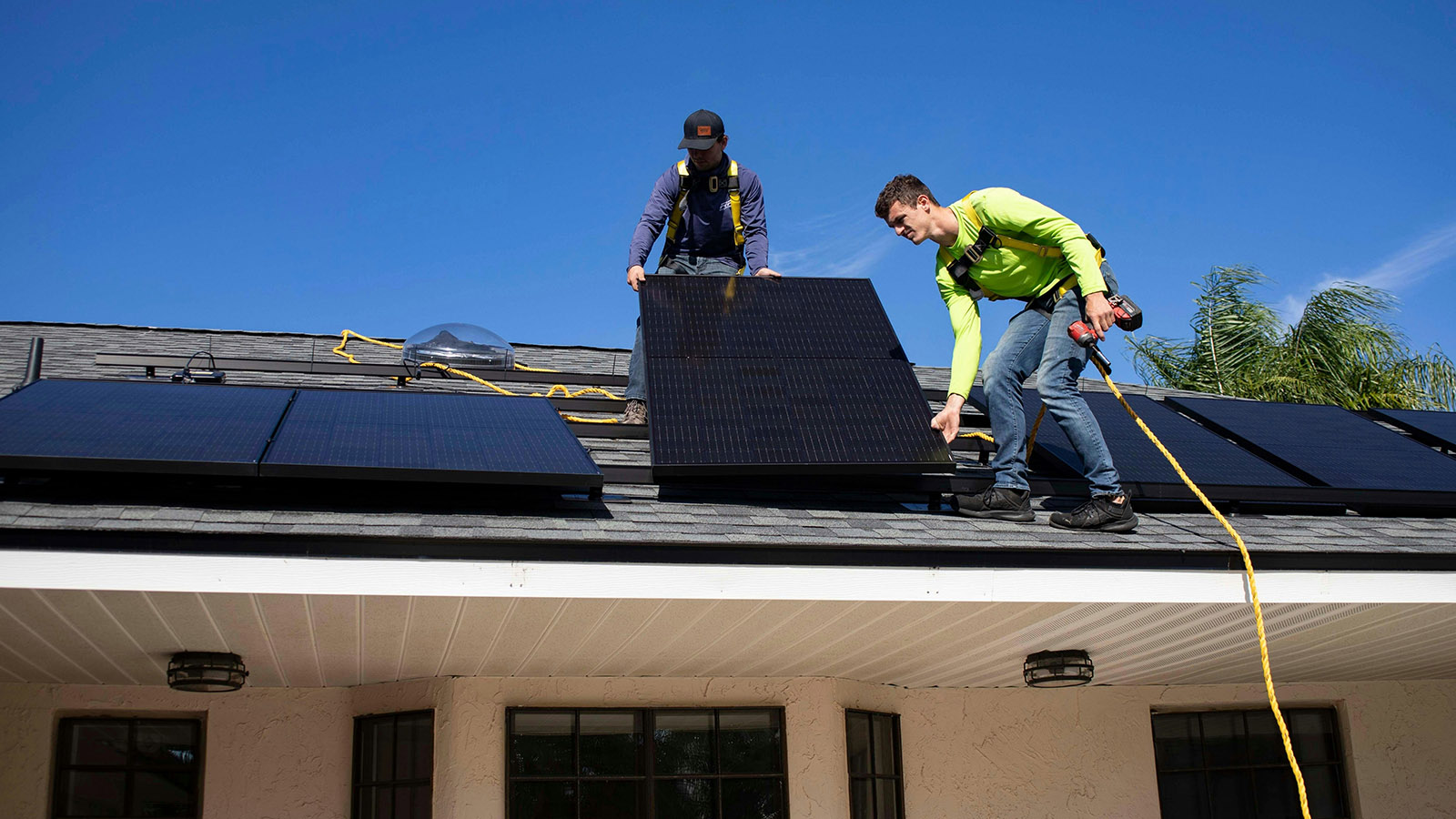
Career Opportunities in Solar Energy
The solar energy sector is experiencing unprecedented growth, with over 7.1 million jobs in solar PV alone as of 2023. For professionals considering a career shift into renewable energy, solar offers pathways across R&D, manufacturing, project development, and operations.
