
Renewable energy jobs · Mechanical Engineering
-
 On-site Full time 2 days ago
 -
 On-site Full time 2 days ago
 -

-
 On-site Full time 2 days ago
 -
 On-site Full time 2 days ago
 -
-
 Greenville, South Carolina, United States + 1 locationOn-site Full time 2 days agoUS$89,300–148,700 annually
 -
 On-site Full time 2 days ago
 -

-
-

-

-
-
-
 Esbjerg, Denmark + 2 locationsOn-site Full time 2 days ago
Mechanical Engineering Jobs in Renewable Energy
Mechanical engineers in renewable energy design, test, and maintain the physical systems that convert wind, sunlight, water, and heat into usable power - from turbine drivetrains and blade assemblies to solar tracker mechanisms and hydrogen electrolyser stacks. The U.S. Bureau of Labor Statistics projects 9-11% employment growth for mechanical engineers through 2034, roughly triple the average for all occupations, with renewable energy accounting for the fastest-growing segment of that demand.
What distinguishes mechanical engineering in renewables from conventional roles is the combination of extreme operating conditions and long asset lifetimes. A wind turbine gearbox must withstand 20-25 years of variable loading in corrosive marine or high-altitude environments. Solar tracker systems need to survive thermal cycling across deserts. These constraints demand engineers who can work across structural analysis, fluid dynamics, and materials science simultaneously - a breadth that pure automotive or aerospace roles rarely require in a single position.
Who hires mechanical engineers in clean energy
Wind turbine OEMs dominate hiring. Vestas, Nordex, and Goldwind collectively listed over 130 mechanical engineering positions on Rejobs in the past year. But the employer mix is broader than wind alone: Commonwealth Fusion Systems and Helion Energy recruit heavily for fusion energy hardware, Bloom Energy for solid oxide fuel cells, and Plug Power for hydrogen systems. Consultancies like Cundall hire mechanical engineers for building energy design across renewables projects.
The variety matters for career planning. A mechanical engineer entering wind can later move into hydrogen or energy storage without retraining from scratch - the core skills in thermal management, rotating machinery, and structural integrity transfer directly.
Common roles and specialisations
Job titles range from Mechanical Engineer and Senior Mechanical Engineer (the two most frequent listings) through to Mechanical Design Engineer, Principal Mechanical Engineer, and Mechanical Technician. Service and maintenance roles - Wind Technician, Wind Turbine Technician, Maintenance Technician - form a parallel track that often requires mechanical engineering qualifications but emphasises hands-on fieldwork over desk-based design.
Engineers who combine mechanical fundamentals with control engineering or power electronics knowledge command a premium. IRENA's 2025 annual review estimated 16.6 million renewable energy jobs globally, and the competition for engineers who can bridge mechanical and electrical domains is one reason the IEA reports that nearly three-quarters of energy companies worldwide face skilled worker shortages.
Where the demand is concentrated
Geographically, the US leads in absolute postings - Massachusetts (Commonwealth Fusion Systems' Devens and Somerville facilities), California (Alameda, San Jose), and New Mexico (Albuquerque) account for the highest concentrations. In Europe, Berlin stands out as a hub, supported by Germany's established wind and energy storage industries. India's Bengaluru appears increasingly in listings, reflecting the globalisation of engineering centres for companies like Vestas and Goldwind.
What is changing in 2025-2026
Three shifts are reshaping mechanical engineering demand in renewables. First, turbine scaling: as offshore wind turbines push past 15 MW, the mechanical challenges in blade root connections, yaw systems, and foundation interfaces grow non-linearly. Second, hydrogen hardware: electrolyser manufacturers need mechanical engineers who understand high-pressure gas handling, corrosion-resistant materials, and stack assembly at industrial scale. Third, manufacturing automation: companies like Vestas and Nordex are investing in automated production lines that require engineers fluent in both mechanical design and robotics integration.
For candidates considering the field, the entry point matters less than the trajectory. Mechanical engineering remains one of the most transferable disciplines in clean energy - the physical principles do not change when you move from turbines to batteries to fusion reactors.
Last updated on Sep 14, 2026 | Report an issue
Get job alerts
Get alerts for Mechanical Engineering jobs
Join Talent Pool
Let clean energy employers find you
Featured jobs




Renewable energy blog posts
-

Renewable Energy Forecast for 2030
By 2030, renewables are poised to supply nearly half of global electricity, with solar and wind leading this explosive expansion. In this data-driven piece, we explore job creation forecasts, supply chain bottlenecks, and policy hurdles. -

Fastest Growing Renewable Energy Sector: Data and Trends
In 2023, solar photovoltaics surged by 32.59%, officially making it the fastest-growing renewable energy source worldwide. Yet offshore wind, which soared by 57.87% in 2021, remains a formidable competitor in total electricity output due to its high capacity factor. This concise overview highlights how policy incentives, cost reductions, and manufacturing advances are propelling solar to the forefront of the global energy transition. -
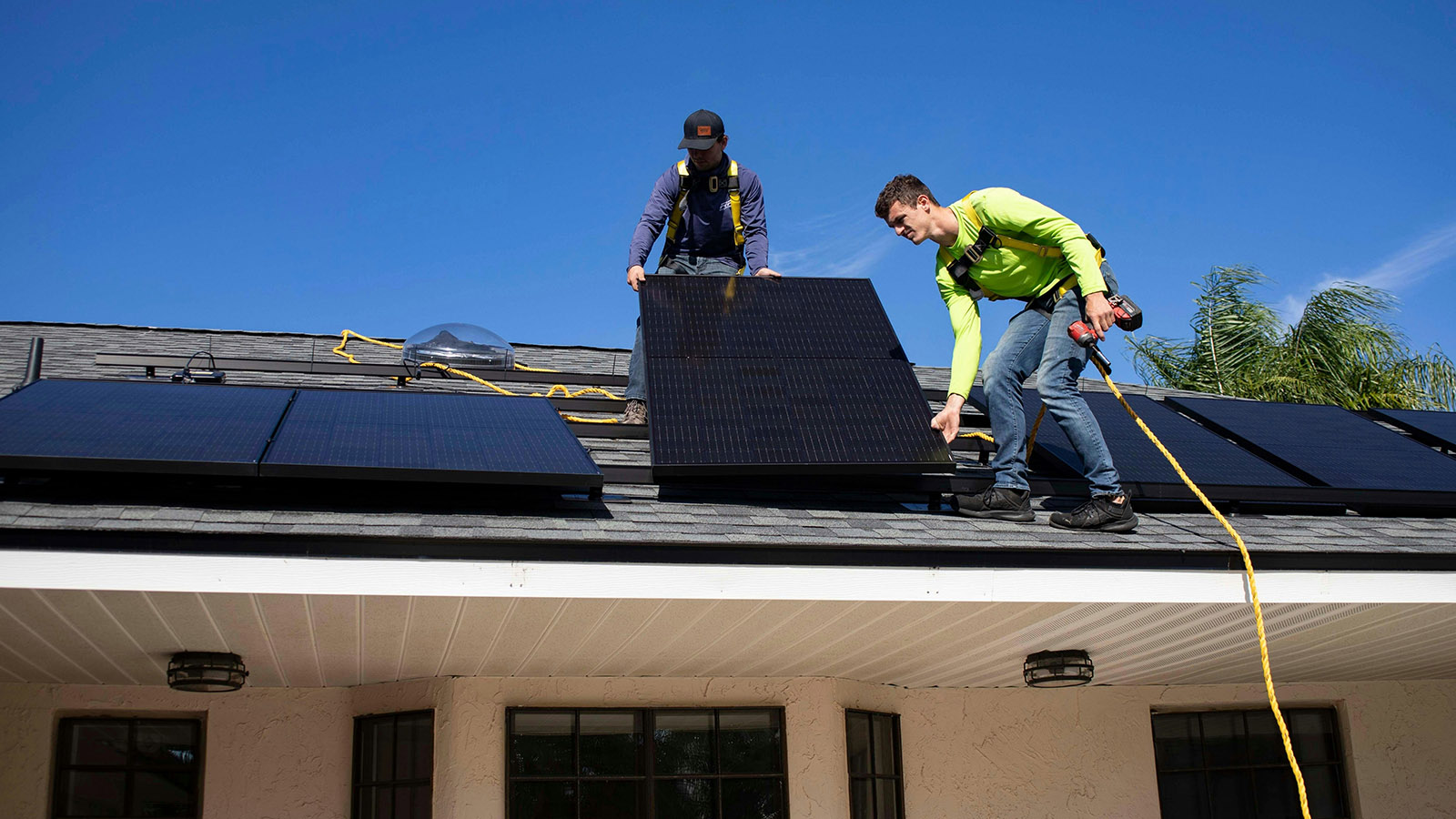
Career Opportunities in Solar Energy
The solar energy sector is experiencing unprecedented growth, with over 7.1 million jobs in solar PV alone as of 2023. For professionals considering a career shift into renewable energy, solar offers pathways across R&D, manufacturing, project development, and operations.
