
Renewable energy jobs · Sustainable Agriculture
-
Expired
 Graniteville, United StatesOn-site Full time 2 months agoUSD 20–26 per hour
 -
Expired
 Wilmington, North Carolina, United StatesOn-site Full time More than 3 months ago
 -
Expired
Wilmington, North Carolina, United StatesOn-site Full time More than 3 months ago
-
Expired
Franklin, Virginia, United StatesOn-site Full time 53 days ago
-
Expired
Bethesda, Maryland, United StatesHybrid Full time More than 3 months agoUSD 26–30 hourly
-
Expired
 Fort Lupton, Colorado, United StatesOn-site Full time 2 months agoUSD 39–44 per hour
 -
Expired
Epes, Alabama, United StatesOn-site Full time 2 months ago
-
Expired
 Boston, Massachusetts, United StatesOn-site Full time More than 3 months ago
 -
Expired
Student Assistant - Sustainable Fuels / Aviation & Maritime
ISCC - International Sustainability and Carbon Certification
 Cologne, GermanyHybrid Internship More than 3 months ago
 -
Expired
Chesapeake, Virginia, United StatesOn-site Full time More than 3 months ago
-
Expired
Garysburg, North Carolina, United StatesOn-site Full time More than 3 months ago
-
Expired
Waycross, Georgia, United StatesOn-site Full time More than 3 months ago
-
Expired
Hamlet, North Carolina, United StatesOn-site Full time More than 3 months ago
-
Expired
 De Soto, Georgia, United States + 1 locationOn-site Internship More than 3 months ago
 -
Expired
Garysburg, North Carolina, United StatesOn-site Full time 53 days ago
Sustainable Agriculture Jobs in Renewable Energy
Sustainable agriculture roles in renewable energy sit at the food-energy nexus: agrivoltaic projects sharing land between crops and solar arrays, anaerobic digestion plants converting farm waste to biogas, biomass feedstock supply chains for power generation, and carbon farming programmes that monetise soil sequestration. The category cuts across three industries, so candidates who advance are usually those fluent in both the agronomist's language and the project developer's.
Global agrivoltaic capacity doubled between 2020 and 2024, climbing from roughly 4.5 GW to over 10 GW across 21,000 hectares worldwide. Job postings in this niche reflect the surge: developers, agronomists with electrical-yield modelling experience, and site managers who mediate between panel installers and farm operators with conflicting priorities. The Agrivoltaics listings page is where most of these openings concentrate.
Where the hiring actually happens
Three employer archetypes dominate this tag.
Biomass feedstock companies. Enviva, the largest wood pellet producer supplying European and Asian power utilities, runs plant operations across the US Southeast and recruits heavily for receiving operators, scale house operators, plant controllers, and carbon project managers. ISCC audits biomass supply chains for compliance with EU Renewable Energy Directive criteria, generating a steady stream of feedstock auditor and analyst roles.
Anaerobic digestion and biogas operators. The UK alone runs over 700 AD plants, processing food waste, slurry, and crop residues into biomethane that is injected into the gas grid. Agri-AD operator salaries reach around £34,000 with sites running on farm slurry and energy crops. Sister roles include process engineers (wet and dry AD, biogas upgrading, biomethane commissioning) and welders or pipefitters working ISO-spec pipework on CO₂ recovery skids.
Rural electrification and clean-cooking organisations. SELCO Foundation in India and BURN in Kenya recruit livelihood-scaling managers, field coordinators, and area managers who design solar-powered cold chains and improved cookstoves for smallholder farmers. The work is closer to international development than typical utility-scale renewables, with strong demand for candidates who have field experience in low-resource settings.
Carbon farming is the wild card
The most recent entrant to this tag is the carbon-removal industry. Charm Industrial pyrolyses agricultural residues into bio-oil and injects it underground for permanent sequestration, hiring chemical engineers and carbon project managers at the intersection of agriculture and climate tech. US median pay for agriculture soil-carbon specialists currently sits around $63,500, though senior carbon sequestration roles routinely break $130,000. Familiarity with soil sampling protocols, GIS, remote sensing, and Verra or Gold Standard methodologies is the differentiator. Adjacent areas worth tracking are biofuels and biogas energy.
Why this matters
Roughly a fifth of global emissions come from food and land use. Sustainable-agriculture roles inside renewable energy are the ones reshaping that footprint without taking land out of production. Candidates who get hired tend to combine deep agronomy, energy-asset numeracy, and a sober view of the trade-offs: yields drop in heavy shade, AD plants compete with composting for feedstock, and not every soil-carbon claim survives audit. That honesty is what separates a sustainable-agriculture professional in renewable energy from a generic ESG hire.
Last updated on Jun 4, 2026 | Report an issue
Get job alerts
Get alerts for Sustainable Agriculture jobs
Join Talent Pool
Let clean energy employers find you
Featured jobs




Renewable energy blog posts
-

Renewable Energy Forecast for 2030
By 2030, renewables are poised to supply nearly half of global electricity, with solar and wind leading this explosive expansion. In this data-driven piece, we explore job creation forecasts, supply chain bottlenecks, and policy hurdles. -

Fastest Growing Renewable Energy Sector: Data and Trends
In 2023, solar photovoltaics surged by 32.59%, officially making it the fastest-growing renewable energy source worldwide. Yet offshore wind, which soared by 57.87% in 2021, remains a formidable competitor in total electricity output due to its high capacity factor. This concise overview highlights how policy incentives, cost reductions, and manufacturing advances are propelling solar to the forefront of the global energy transition. -
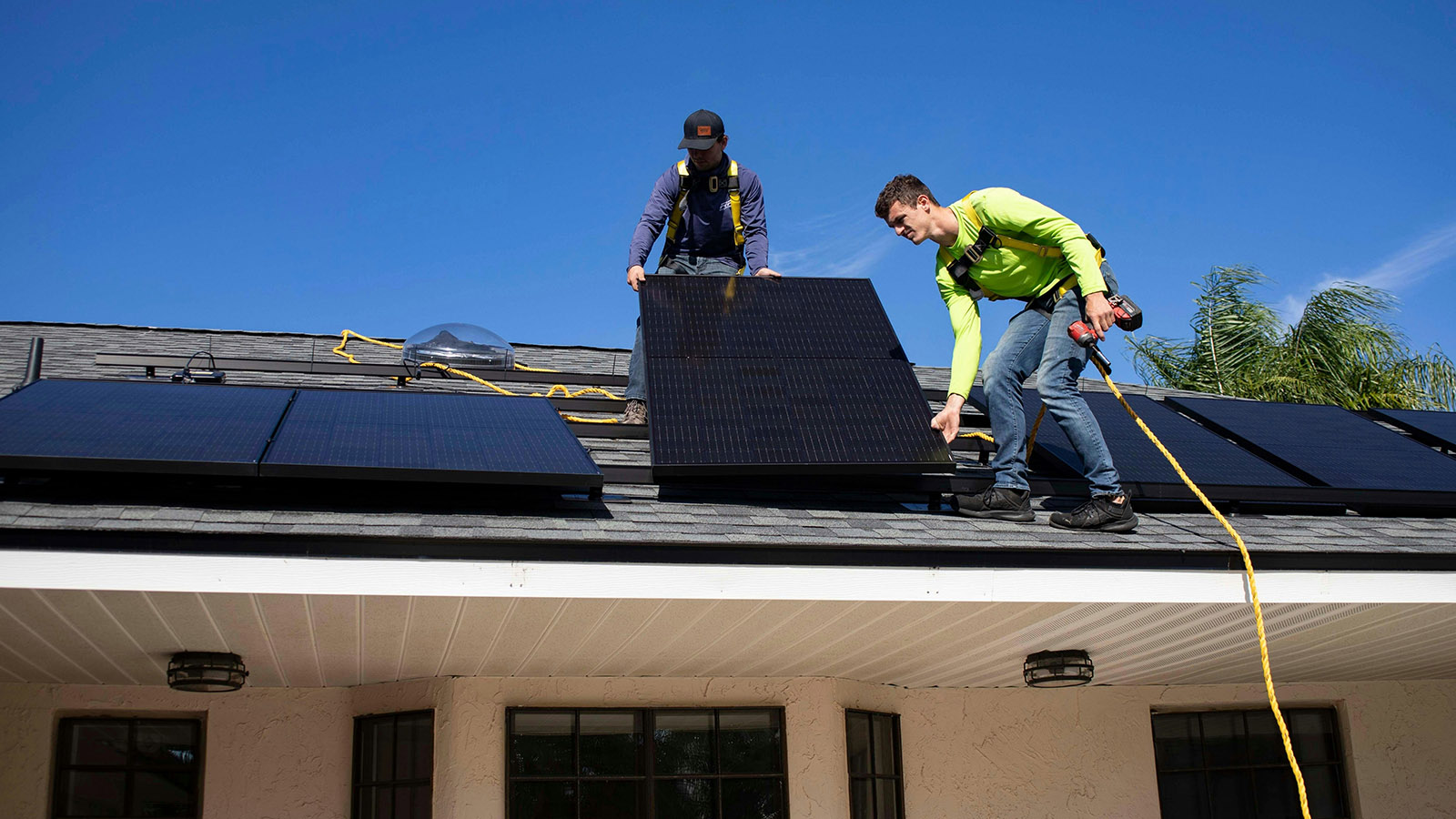
Career Opportunities in Solar Energy
The solar energy sector is experiencing unprecedented growth, with over 7.1 million jobs in solar PV alone as of 2023. For professionals considering a career shift into renewable energy, solar offers pathways across R&D, manufacturing, project development, and operations.
