
Renewable energy jobs · Clean Energy Innovation
-

-
 Flexible Full time Today
 -
-
-

-
 Trondheim, Norway + 1 locationFlexible Full time Today
 -
 Lyckeby, Sweden + 1 locationHybrid Full time Today
 -



Clean Energy Innovation Jobs in Renewable Energy
Clean energy innovation professionals design, test, and commercialise the technologies and business models that accelerate the energy transition - from next-generation solar cells and solid-state batteries to AI-driven grid management and novel financing structures. Global public energy R&D exceeded USD 50 billion in 2024, with corporate R&D spending growing three times faster than GDP, creating steady demand for professionals who can bridge the gap between laboratory breakthroughs and market-ready products.
What innovation roles actually involve
The term "innovation" in clean energy covers a wider range of work than most people assume. It includes hardware R&D - improving cell efficiency in photovoltaic systems, developing longer-lasting battery technology, or engineering more reliable electrolysers. But it equally covers process innovation: designing new procurement models, creating digital twins of energy assets, or building software platforms that optimise distributed generation. The common thread is that these roles sit at the boundary between what exists and what is commercially viable, requiring both technical depth and commercial awareness.
Job titles vary considerably. The most common include Innovation Manager, Innovation Lead, and Senior Product Manager, but also Research and Development Engineer, Technology Scout, and Commercialisation Specialist. Product design roles are particularly in demand - companies need professionals who can translate technical capability into user-facing products, whether that is a smart home energy system or an industrial-scale monitoring platform.
Who is hiring
Innovation roles cluster in three types of organisations. Large energy companies like Octopus Energy and OVO Energy run dedicated innovation teams developing new products and services. Industrial technology firms such as Wärtsilä and Bloom Energy focus on hardware innovation in power systems and fuel cells. Public agencies like NYSERDA fund and coordinate innovation programmes, employing analysts, programme managers, and technical evaluators.
Geographically, Berlin and London lead in Europe, followed by Hamburg and Glasgow. Scandinavian cities - Aarhus, Oslo, Stockholm - punch above their weight, particularly in digital energy and grid innovation. Denmark and Germany consistently show the highest returns on clean energy R&D investment among EU countries.
The investment picture
Clean energy investment is on course to reach USD 2.2 trillion in 2025, with a growing share directed at early-stage technologies. Since 2015, USD 230 billion has flowed into energy startups through venture capital, and over 320 new energy ventures raised their first funding in 2025. The venture landscape has shifted: China and Europe's combined share of energy VC rose from 18% in 2010-2014 to nearly 50% in 2020-2024, reflecting a broader geographic diversification away from US-dominated funding.
That said, VC funding declined over 20% in 2023-2024, partly because capital has been redirected toward AI. For job seekers, this means clean energy investment roles increasingly require fluency in both energy systems and data science - companies want innovators who can apply artificial intelligence to energy problems, not just build conventional hardware.
Technologies driving demand
The breakthroughs generating the most hiring activity are practical rather than speculative. Perovskite solar cells are moving from laboratory to manufacturing scale. Solid-state batteries demonstrated 9-minute EV charging in 2024 trials. Power-to-X pathways - converting renewable electricity into hydrogen, synthetic fuels, or industrial feedstocks - are creating entirely new job categories that did not exist five years ago. Low-emissions energy patents now outnumber fossil fuel patents 4.5 to 1 globally, confirming that innovation spending has decisively shifted toward clean technologies.
Skills that set candidates apart
The strongest candidates combine domain expertise in a specific technology with broader capabilities in project management, stakeholder communication, and commercial analysis. Experience with technology readiness level (TRL) frameworks, stage-gate processes, and intellectual property strategy is valued across the sector. Professionals who can navigate both the technical and regulatory dimensions of bringing a new energy product to market - from prototype testing through permitting to grid connection - command premium compensation, with UK clean energy roles advertising average salaries above £50,000 compared to a national average of £37,000.
Last updated on Apr 4, 2026 | Report an issue




Get job alerts
Get alerts for Clean Energy Innovation jobs
Join Talent Pool
Let clean energy employers find you
Featured jobs





Renewable energy blog posts
-

Renewable Energy Forecast for 2030
By 2030, renewables are poised to supply nearly half of global electricity, with solar and wind leading this explosive expansion. In this data-driven piece, we explore job creation forecasts, supply chain bottlenecks, and policy hurdles. -

Fastest Growing Renewable Energy Sector: Data and Trends
In 2023, solar photovoltaics surged by 32.59%, officially making it the fastest-growing renewable energy source worldwide. Yet offshore wind, which soared by 57.87% in 2021, remains a formidable competitor in total electricity output due to its high capacity factor. This concise overview highlights how policy incentives, cost reductions, and manufacturing advances are propelling solar to the forefront of the global energy transition. -
Career Opportunities in Solar Energy
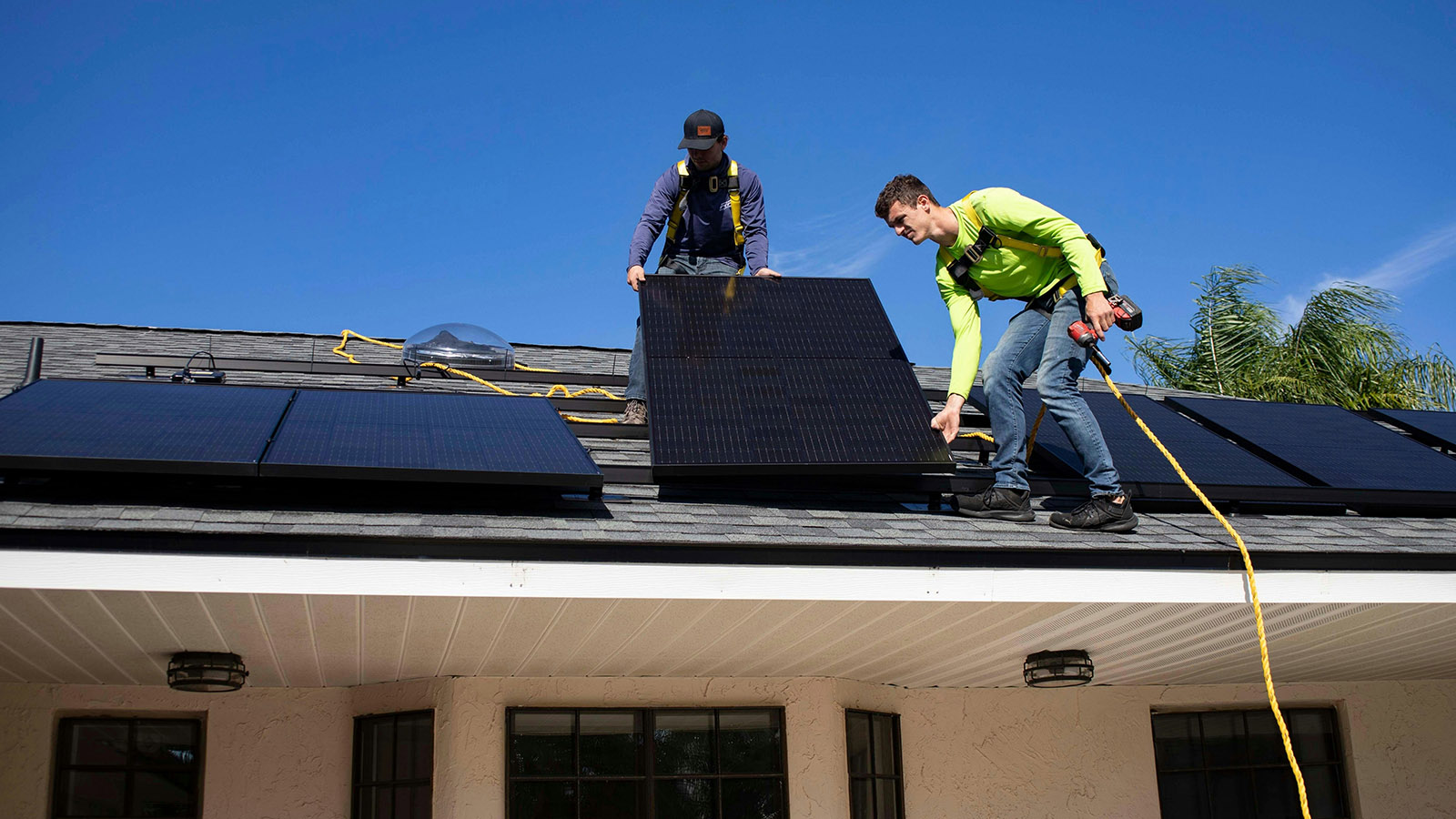
The solar energy sector is experiencing unprecedented growth, with over 7.1 million jobs in solar PV alone as of 2023. For professionals considering a career shift into renewable energy, solar offers pathways across R&D, manufacturing, project development, and operations.
