
Renewable energy jobs · Smart Energy Systems
-
 On-site Full time 2 days ago
 -
 On-site Internship 2 days ago
 -
 On-site Full time 2 days ago
 -
-
-
-
 On-site Full time 2 days ago
 -
 Flexible Full time 2 days ago
 -
 Flexible Full time 2 days ago
 -

-
On-site Full time 2 days ago
-
On-site Full time 2 days ago
-
 Hybrid Full time 2 days ago
Smart Energy Systems Jobs in Renewable Energy
Smart energy systems integrate digital controls, sensors, and software platforms to manage how electricity is generated, distributed, stored, and consumed across interconnected networks. The global smart grid market reached $73 billion in 2025, with Europe accounting for roughly a quarter of that - and the EU has earmarked $184 billion specifically for grid digitalisation by 2030.
What the work actually involves
The term covers a wider range of roles than most people expect. Smart meter engineers physically install and configure metering hardware in homes and commercial buildings. Firmware developers build the embedded software running on grid-edge devices. SCADA engineers design the supervisory systems that give grid operators real-time visibility across thousands of assets. Energy data analysts translate consumption and generation data into actionable signals for demand response and load balancing.
What distinguishes smart energy work from general IT or engineering is the real-time constraint. A software bug in an e-commerce platform loses a sale; a software bug in a grid management system can cascade into a blackout. This operational criticality shapes everything from development practices to hiring requirements - and it explains why the sector consistently pays a premium over comparable roles in general tech.
Who is hiring
The employer range spans established metering firms through to energy-tech startups. Landis+Gyr, with over 5,000 employees, is one of the world's largest smart metering manufacturers and a consistent source of firmware, product, and field engineering roles. Octopus Energy has built its business model around smart tariffs and real-time consumption data, hiring across software development and energy analytics. German grid operator Netze BW recruits smart meter installers and grid digitalisation specialists for the country's rapidly expanding rollout. Smaller firms like Gridware (distribution grid sensors), EnergyHub (demand response platforms), and Kiwigrid (IoT energy management) offer roles closer to product development.
Skills and in-demand roles
The most frequently posted titles include smart meter engineer, smart energy engineer, and firmware development lead. The field extends into building automation, energy management, and BMS (building management system) operations. Hybrid profiles - engineers who understand both power systems and software architecture - command the highest premiums.
IoT protocol knowledge (DLMS/COSEM for metering, Modbus, MQTT) is increasingly expected alongside traditional electrical or software engineering qualifications. Cybersecurity expertise is in growing demand: as grid-edge devices multiply, the attack surface expands, and utilities face regulatory pressure to secure their smart infrastructure.
Recent developments
Europe's smart energy buildout is accelerating. The EU's grid investment plan calls for $633 billion in electricity infrastructure by 2030, with digitalisation absorbing a substantial share. Germany mandated a national smart meter rollout starting in 2025 and had between 1.5 and 2 million intelligent metering systems installed by year's end. The UK requires roughly 6,500 full-time meter installers to meet its target of 90% smart meter coverage by 2033.
The virtual power plant market in Europe reached $1.5 billion in 2024 and is growing at over 21% annually, driven by demand response mandates in Germany and France. This expansion creates new roles at the intersection of software, grid integration, and distributed energy orchestration.
Where roles are concentrated
Berlin and Hamburg dominate in Germany, reflecting the country's concentration of energy-tech firms and grid operators. London, Bristol, and Edinburgh are the main UK hubs. In the US, San Francisco leads, though remote positions are increasingly common for software-focused roles. The geographic spread mirrors the decentralised nature of the technology itself - smart energy systems, by definition, operate everywhere the grid reaches.
Last updated on Apr 14, 2026 | Report an issue
Get job alerts
Get alerts for Smart Energy Systems jobs
Join Talent Pool
Let clean energy employers find you
Featured jobs





Renewable energy blog posts
-

Renewable Energy Forecast for 2030
By 2030, renewables are poised to supply nearly half of global electricity, with solar and wind leading this explosive expansion. In this data-driven piece, we explore job creation forecasts, supply chain bottlenecks, and policy hurdles. -

Fastest Growing Renewable Energy Sector: Data and Trends
In 2023, solar photovoltaics surged by 32.59%, officially making it the fastest-growing renewable energy source worldwide. Yet offshore wind, which soared by 57.87% in 2021, remains a formidable competitor in total electricity output due to its high capacity factor. This concise overview highlights how policy incentives, cost reductions, and manufacturing advances are propelling solar to the forefront of the global energy transition. -
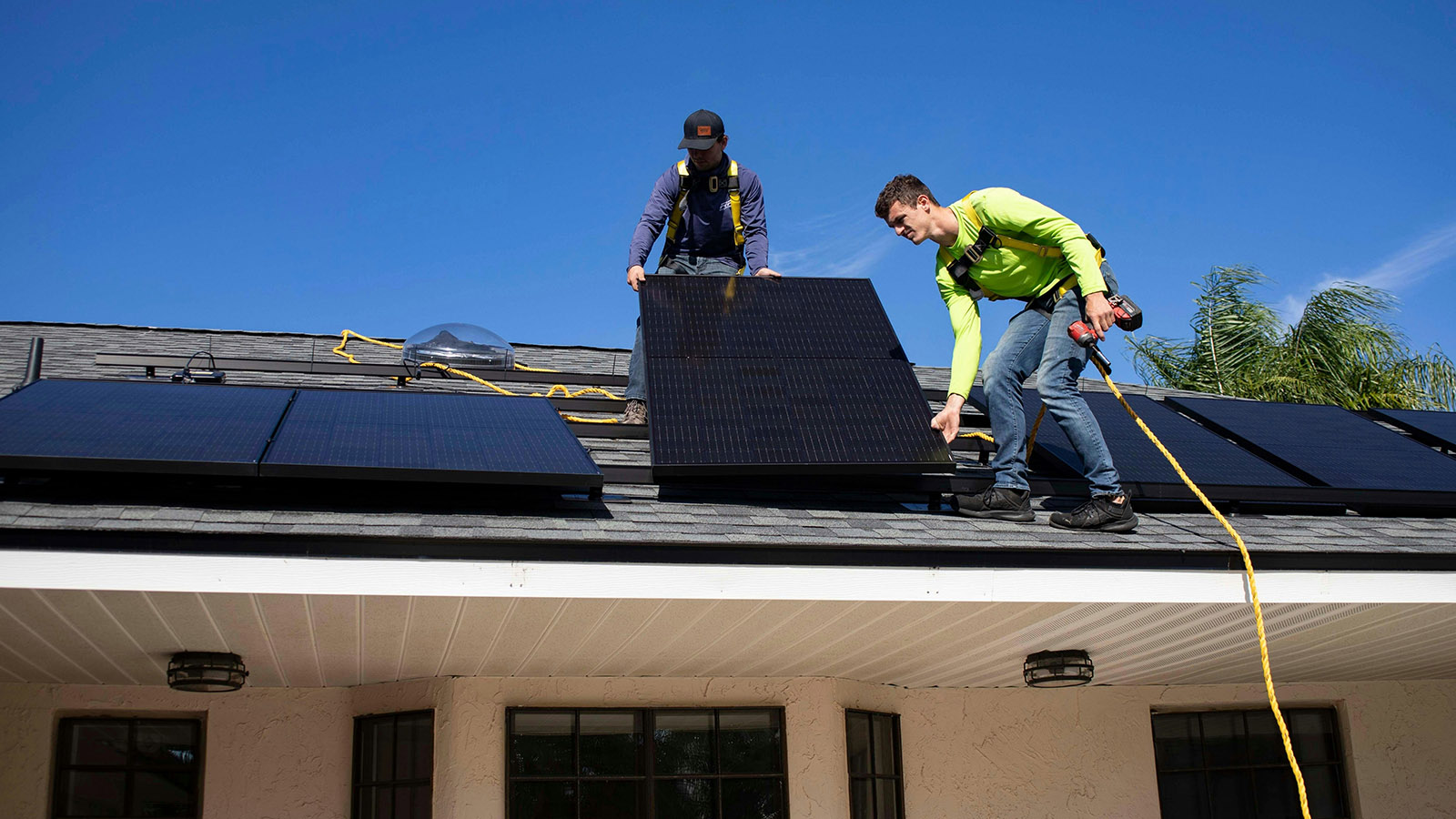
Career Opportunities in Solar Energy
The solar energy sector is experiencing unprecedented growth, with over 7.1 million jobs in solar PV alone as of 2023. For professionals considering a career shift into renewable energy, solar offers pathways across R&D, manufacturing, project development, and operations.
