
Renewable energy jobs · Energy Resilience
-
 On-site Full time A day ago
 -

-

-

-

-
-
-

-
 On-site Full time A day ago
 -
 On-site Full time A day ago
 -

-

-
-

-
 On-site Full time A day ago
Energy Resilience Jobs in Renewable Energy
Energy resilience engineers and planners design power systems that keep electricity flowing through cyber attacks, extreme weather, and equipment failures, hardening grids, substations, and renewable assets so disruption becomes recoverable rather than catastrophic. The work sits at the intersection of grid solutions, critical infrastructure protection, and climate adaptation, and has become one of the fastest-growing specialisations in the energy workforce.
The global adaptation and resilience industry grew 18% to $4.8 billion in 2024, and US clean-energy storage and grid modernisation alone supported 160,300 jobs (up 4.3% year on year). The power sector overtook fuel supply as the largest employer in global energy in 2024, with grids and storage driving most of the growth.
What these roles involve
Resilience work covers four distinct domains. Physical hardening engineers reinforce transmission towers, substation enclosures, and offshore foundations against storms, flooding, and wildfires. Cyber-physical specialists protect SCADA, protection systems, and grid-forming inverters from intrusions; the NERC 2025 RISC Report identified cybersecurity as the most critical risk to grid reliability. Operational resilience planners design black-start procedures, microgrid islanding, and demand-response protocols. Long-duration storage specialists size battery and pumped-hydro systems to ride through multi-day grid events.
Variable renewables make resilience harder and more important. A grid running on 60% wind and solar needs different fault-ride-through behaviour, different inertia management, and different forecasting than a thermal-based grid. That is why utilities are hiring resilience engineers in numbers they never used to.
Who is hiring
Distribution system operators and transmission utilities dominate the market. Enexis leads in the Netherlands, Scottish Power and EDF Energy recruit across the UK, and Iberdrola Renewables hires globally. Common postings include senior project managers, cyber security engineers, QHSE risk specialists, and postdoctoral researchers in resilient energy systems, with Berlin, Glasgow, Edinburgh, and London the most active hiring hubs.
Skill premiums and trajectory
Three skill combinations command sharp premiums in 2025. The first is electromagnetic transient (EMT) modelling combined with grid-forming inverter knowledge, scarce because most engineering programmes still teach synchronous-machine-dominated grids. The second is OT/ICS cybersecurity applied to substations, a field facing a global cybersecurity-professional shortage of 3.4 million. The third is climate-risk quantification (flood, wildfire, heatwave) translated into asset-level design specifications.
Demographic pressure is acute: retirements among grid-related professionals outpace new entrants by roughly 1.4 to 1, steadily pushing salaries and signing bonuses upward. Expect that gap to widen as ageing infrastructure across Europe and North America enters its replacement decade.
Last updated on May 20, 2026 | Report an issue
Get job alerts
Get alerts for Energy Resilience jobs
Join Talent Pool
Let clean energy employers find you
Featured jobs




Renewable energy blog posts
-

Renewable Energy Forecast for 2030
By 2030, renewables are poised to supply nearly half of global electricity, with solar and wind leading this explosive expansion. In this data-driven piece, we explore job creation forecasts, supply chain bottlenecks, and policy hurdles. -

Fastest Growing Renewable Energy Sector: Data and Trends
In 2023, solar photovoltaics surged by 32.59%, officially making it the fastest-growing renewable energy source worldwide. Yet offshore wind, which soared by 57.87% in 2021, remains a formidable competitor in total electricity output due to its high capacity factor. This concise overview highlights how policy incentives, cost reductions, and manufacturing advances are propelling solar to the forefront of the global energy transition. -
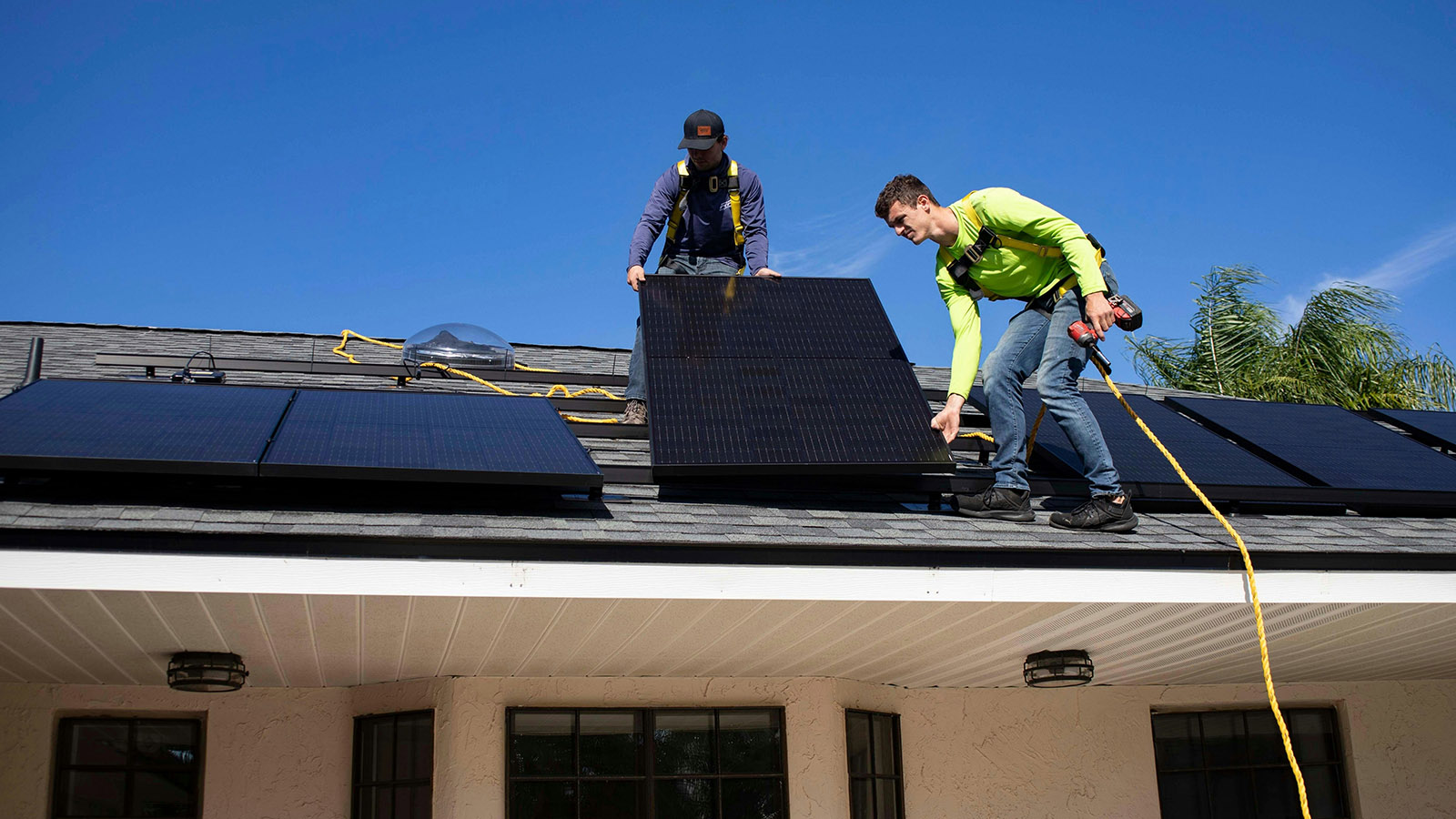
Career Opportunities in Solar Energy
The solar energy sector is experiencing unprecedented growth, with over 7.1 million jobs in solar PV alone as of 2023. For professionals considering a career shift into renewable energy, solar offers pathways across R&D, manufacturing, project development, and operations.
