
Renewable energy jobs · Health & Safety
-
 On-site Full time A day ago
 -
 Hybrid Full time A day ago
 -
 On-site Full time A day ago
 -
 Flexible Full time A day ago
 -
 On-site Full time A day ago
 -
 Flexible Full time A day ago
 -
 On-site Full time A day ago
 -
 On-site Full time A day ago
 -

-

-
 On-site Full time A day ago
 -
 On-site Full time A day ago
 -
 Swindon, United Kingdom + 2 locationsFlexible Full time A day ago
 -
Stirling, Scotland, United Kingdom + 1 locationHybrid Full time A day ago
Health & Safety Jobs in Renewable Energy
Health and safety professionals in renewable energy design, enforce, and audit the protocols that keep workers alive on construction sites, wind turbines, solar farms, and energy storage facilities - environments where falls, electrical hazards, and confined-space risks are constant. The IRENA/ILO Annual Review 2025 found that occupational health and safety "demands greater attention" across the sector's 16.6 million global workforce, making these among the most consequential roles in clean energy.
What makes H&S different in renewables
Renewable energy H&S work differs from conventional industries in one fundamental way: the hazard profile keeps changing. Battery energy storage systems introduce thermal runaway and toxic gas risks that barely existed five years ago. Floating offshore wind creates evacuation scenarios with no precedent in onshore construction. Green hydrogen facilities combine high-pressure systems with explosive gases in configurations that standard regulations have not fully caught up with. H&S professionals in this sector do not just enforce existing rules - they write new ones.
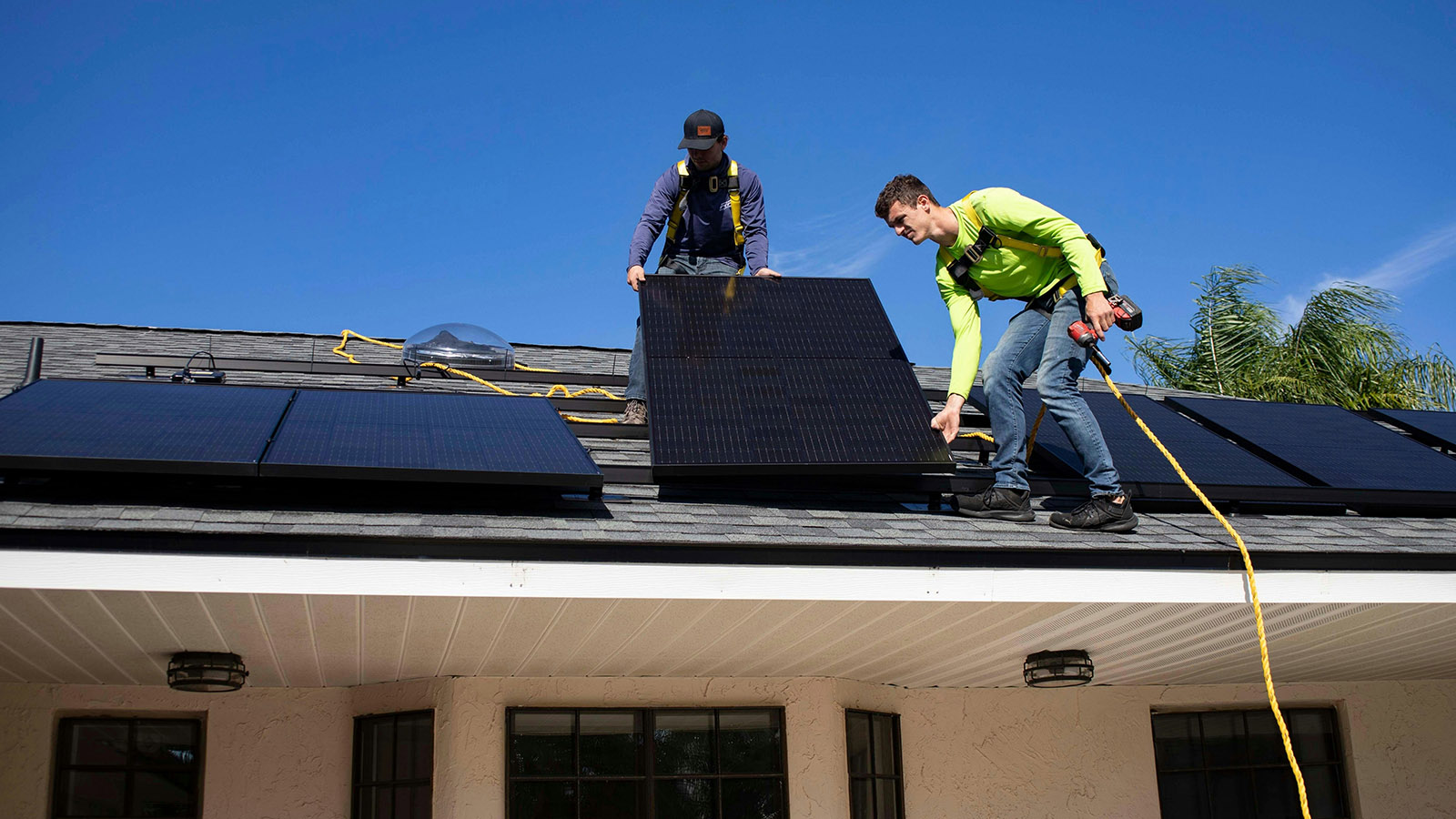
The physical environments are extreme. Wind turbine technicians work at heights exceeding 80 metres in nacelles with limited escape routes. Solar installers handle live DC circuits on rooftops where a stumble means a fall. Falls account for the majority of fatal incidents in renewable energy construction, and the risk compounds with the pace of deployment - the UK alone plans to scale from 26,000 offshore wind jobs to over 69,000 by 2026, each requiring safety-certified workers.
Roles and certifications
The most common job titles reflect a split between strategic and operational positions. HSE Managers and EHS Managers design safety management systems, run incident investigations, and report to boards. HSE Engineers embed safety into project design - reviewing construction plans, conducting risk assessments, and specifying PPE requirements. HSE Officers and Advisors work on-site, running toolbox talks, auditing subcontractors, and ensuring CDM Regulations compliance on UK projects.
Certification requirements vary by sub-sector. The Global Wind Organisation (GWO) Basic Safety Training is mandatory for anyone entering a wind turbine - over 190,000 individuals have completed GWO training across 55 countries, and GWO-certified technicians are available for approximately six more working days per year than non-certified staff. NEBOSH qualifications remain the baseline for general H&S management, while IOSH Managing Safely is increasingly expected for site supervisors. For high-voltage work in solar and grid connections, specific electrical safety certifications apply.
Who is hiring
The largest employers for H&S roles in renewables are wind turbine manufacturers and large-scale developers. Nordex, Goldwind, ENERCON, and Vestas consistently recruit HSE managers and engineers across European manufacturing and installation sites. Utilities like Iberdrola Renewables and Scottish Power hire for portfolio-wide safety oversight, while consultancies such as Natural Power place H&S specialists across multiple client projects.
Geographically, the UK dominates demand - Glasgow, Edinburgh, Aberdeen, and Inverness cluster heavily due to Scotland's offshore wind pipeline. Hamburg and Berlin are the main German hubs, driven by Nordex and ENERCON's operations.
Where the field is heading
The UK's Clean Energy Jobs Plan projects 860,000 clean energy jobs by 2030, up from 440,000 in 2023 - roughly doubling the workforce that needs H&S coverage. The combination of construction pace, emerging technology risk, and tightening regulatory compliance means H&S professionals with renewable energy experience command a premium over generalist safety practitioners. Those who combine NEBOSH with sector-specific credentials like GWO, and who can develop safety protocols for novel technologies rather than just implement existing ones, are the hardest profiles to recruit.
Last updated on Apr 4, 2026 | Report an issue

Get job alerts
Get alerts for Health & Safety jobs
Join Talent Pool
Let clean energy employers find you
Featured jobs





Renewable energy blog posts
-

Renewable Energy Forecast for 2030
By 2030, renewables are poised to supply nearly half of global electricity, with solar and wind leading this explosive expansion. In this data-driven piece, we explore job creation forecasts, supply chain bottlenecks, and policy hurdles. -

Fastest Growing Renewable Energy Sector: Data and Trends
In 2023, solar photovoltaics surged by 32.59%, officially making it the fastest-growing renewable energy source worldwide. Yet offshore wind, which soared by 57.87% in 2021, remains a formidable competitor in total electricity output due to its high capacity factor. This concise overview highlights how policy incentives, cost reductions, and manufacturing advances are propelling solar to the forefront of the global energy transition. -
Career Opportunities in Solar Energy
The solar energy sector is experiencing unprecedented growth, with over 7.1 million jobs in solar PV alone as of 2023. For professionals considering a career shift into renewable energy, solar offers pathways across R&D, manufacturing, project development, and operations.
