
Renewable energy jobs · Corporate Social Responsibility
-
Expired
 Bristol, United KingdomHybrid Full time More than 3 months ago£60,000–90,000 annually
 -
Expired
 Munich, GermanyFlexible Full time More than 3 months ago
 -
Expired
 Toronto, Ontario, CanadaHybrid Full time More than 3 months ago
 -
Expired
 San Jose, California, United States + 1 locationOn-site Full time More than 3 months agoUS$156,600–225,400 annually
 -
Expired
 Sydney, AustraliaOn-site Contract position More than 3 months ago
 -
Expired
 Athens, GreeceFlexible Full time More than 3 months ago
 -
Expired
 Madrid, SpainOn-site Full time More than 3 months ago
 -
Expired
 San Francisco, California, United StatesHybrid Full time More than 3 months ago
 -
Expired
 Manchester, United KingdomHybrid Full time More than 3 months ago
 -
Expired
 Chicago, United StatesOn-site Full time More than 3 months agoUS$110,000–125,000 annually
 -
Expired
 Houston, Texas, United States + 3 locationsHybrid Full time More than 3 months agoUS$90,000–100,000 annually
 -
Expired
 United States of AmericaRemote Full time More than 3 months agoUS$93,600–117,000 annually
 -
Expired
 Alameda, California, United StatesHybrid Full time More than 3 months agoUS$175,000–225,000 annually
 -
Expired
Munich, GermanyFlexible Full time More than 3 months ago
Corporate Social Responsibility Jobs in Renewable Energy
What CSR Roles Actually Do in This Sector
Corporate Social Responsibility in renewable energy differs fundamentally from traditional CSR roles. While philanthropy and volunteering programs exist, most CSR work directly impacts project viability. Securing permits for a wind farm requires demonstrating community benefit. Building transmission lines means negotiating with landowners and Indigenous communities. This isn't peripheral work - it's core business function.
CSR professionals in renewables spend significant time on stakeholder mapping, community consultation processes, and local benefit-sharing agreements. At companies like TransGrid and Hydro Québec, this involves managing relationships with dozens of communities affected by energy infrastructure. The work overlaps heavily with Stakeholder Management and Environmental Management.
Who Hires and What Backgrounds Succeed
Three employer types dominate CSR hiring in renewables. Large utilities and transmission operators need professionals managing long-term community relationships across vast infrastructure networks. Project developers like EDP Renewables, BayWa r.e., and JUWI require CSR expertise for each development phase. Energy suppliers like OVO Energy focus on customer-facing sustainability programs and social equity initiatives.
Successful candidates typically come from three backgrounds: NGO or non-profit work with strong community engagement experience, corporate sustainability roles with ESG reporting knowledge, or public sector positions involving consultation and stakeholder management. Understanding Indigenous Relations has become essential in markets like Canada and Australia. Experience with Governance frameworks and Regulatory Compliance adds significant value.
Where the Field Is Heading
ESG disclosure requirements are professionalizing CSR roles. The Global Reporting Initiative standards and similar frameworks now drive hiring decisions. Companies need professionals who can produce materiality assessments and sustainability reports that satisfy investors and regulators. Positions increasingly require quantitative skills for measuring social impact alongside traditional relationship management capabilities. The premium roles combine deep local knowledge with technical understanding of reporting standards and the ability to translate community needs into project design changes.
Last updated on Apr 4, 2026 | Report an issue
Get job alerts
Get alerts for Corporate Social Responsibility jobs
Join Talent Pool
Let clean energy employers find you
Featured jobs




Renewable energy blog posts
-

Renewable Energy Forecast for 2030
By 2030, renewables are poised to supply nearly half of global electricity, with solar and wind leading this explosive expansion. In this data-driven piece, we explore job creation forecasts, supply chain bottlenecks, and policy hurdles. -

Fastest Growing Renewable Energy Sector: Data and Trends
In 2023, solar photovoltaics surged by 32.59%, officially making it the fastest-growing renewable energy source worldwide. Yet offshore wind, which soared by 57.87% in 2021, remains a formidable competitor in total electricity output due to its high capacity factor. This concise overview highlights how policy incentives, cost reductions, and manufacturing advances are propelling solar to the forefront of the global energy transition. -
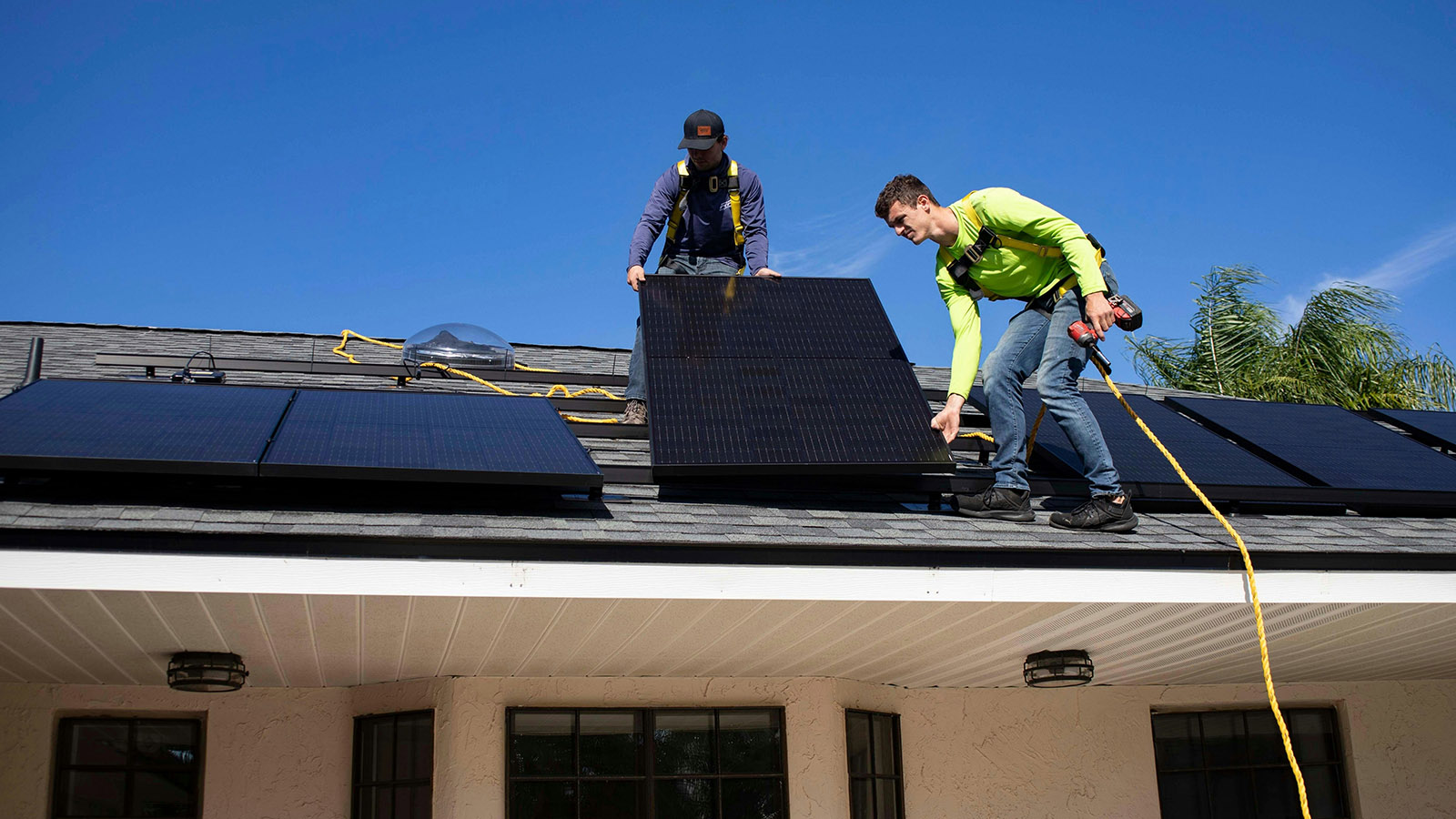
Career Opportunities in Solar Energy
The solar energy sector is experiencing unprecedented growth, with over 7.1 million jobs in solar PV alone as of 2023. For professionals considering a career shift into renewable energy, solar offers pathways across R&D, manufacturing, project development, and operations.
