
Renewable energy jobs · Energy Efficiency
-

-
 Grimsby, United Kingdom + 12 locationsFlexible Full time A day ago
 -
 Houston, Texas, United States + 3 locationsOn-site Full time A day ago
 -
 On-site Full time A day ago
 -

-
-
-
-
-
 On-site Full time A day ago
 -

-

-

Energy Efficiency Jobs in Renewable Energy
Energy efficiency professionals design, implement, and verify measures that reduce energy consumption in buildings, industrial processes, and transport systems - work that the IEA estimates has prevented greenhouse gas emissions from being 20% higher than they are today. Nearly 18 million people worked in energy efficiency globally in 2024, a 6% increase from the previous year, making it one of the fastest-growing segments of the clean energy workforce.
What energy efficiency work actually involves
The field spans a wider range of roles than most people assume. Energy auditors assess buildings and industrial sites to identify where energy is wasted. Retrofit specialists carry out the physical upgrades - insulation, glazing, HVAC replacement, heat pump installation. Building energy performance consultants model consumption patterns and verify that upgrades deliver promised savings. On the industrial side, process engineers optimise manufacturing lines, compressed air systems, and thermal recovery loops. Increasingly, data analysts use real-time monitoring and smart controls to fine-tune consumption in commercial buildings.
What distinguishes these roles in renewable energy is the integration challenge. Fitting a heat pump is straightforward; fitting one that works optimally with rooftop solar, a battery, and a dynamic grid tariff requires a different skill set entirely.
Who is hiring
The employer mix reflects the breadth of the field. 1KOMMA5° hires across heat pump installation, energy management software, and solar-plus-storage integration. Octopus Energy recruits for roles spanning smart metering, home insulation, and data-driven efficiency optimisation. Ameresco focuses on large-scale commercial and industrial performance contracting. Utilities like Southern California Edison and Hydro Québec run dedicated efficiency programmes requiring specialist staff.
The workforce gap
Global investment in energy efficiency reached nearly $800 billion in 2025, up 70% since 2015 - but the sector cannot find enough workers to deploy it. The IEA reports that 72% of companies face critical hiring shortages. In the UK alone, the retrofit sector needs an estimated 250,000 new workers by 2028, covering insulation installers, low-carbon heating engineers, and retrofit coordinators. In advanced economies, 2.4 workers are nearing retirement for every one under 25, creating a demographic squeeze that training programmes have not yet addressed.
The skills most in demand combine technical knowledge with practical ability: thermal modelling, building physics, energy management systems, and increasingly AI-driven analytics for optimising building performance at scale.
Where the field is heading
The gap between current efficiency improvement rates - 1.8% in 2025 - and the COP28 target of 4% annually by 2030 is enormous. Closing it requires roughly tripling the pace of building retrofits and industrial upgrades. For job seekers, this translates into sustained demand across multiple disciplines, from hands-on installation trades to energy consulting and net zero strategy roles. The EU's new €17.5 billion programme targeting energy efficiency in 350,000 SMEs (2025-2027) signals that policy support is scaling to match the ambition. The bottleneck is people, not funding.
Last updated on Sep 12, 2026 | Report an issue

Get job alerts
Get alerts for Energy Efficiency jobs
Join Talent Pool
Let clean energy employers find you
Featured jobs




Renewable energy blog posts
-

Renewable Energy Forecast for 2030
By 2030, renewables are poised to supply nearly half of global electricity, with solar and wind leading this explosive expansion. In this data-driven piece, we explore job creation forecasts, supply chain bottlenecks, and policy hurdles. -

Fastest Growing Renewable Energy Sector: Data and Trends
In 2023, solar photovoltaics surged by 32.59%, officially making it the fastest-growing renewable energy source worldwide. Yet offshore wind, which soared by 57.87% in 2021, remains a formidable competitor in total electricity output due to its high capacity factor. This concise overview highlights how policy incentives, cost reductions, and manufacturing advances are propelling solar to the forefront of the global energy transition. -
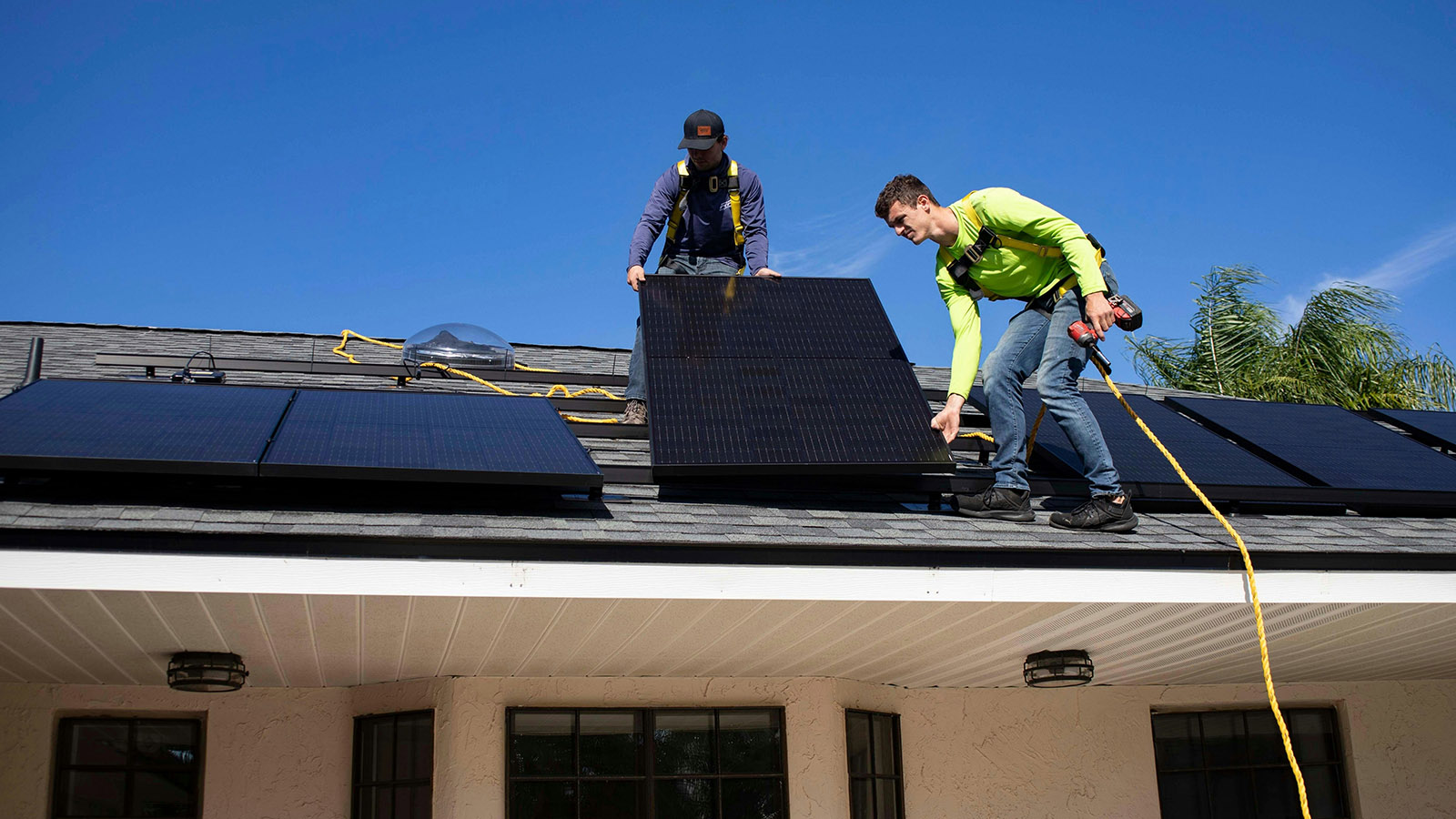
Career Opportunities in Solar Energy
The solar energy sector is experiencing unprecedented growth, with over 7.1 million jobs in solar PV alone as of 2023. For professionals considering a career shift into renewable energy, solar offers pathways across R&D, manufacturing, project development, and operations.
