
Renewable energy jobs · Industrial Engineering
-

-

-
 Flexible Full time 2 days ago
 -

-
-
-
 Noida, India + 1 locationOn-site Full time 2 days ago
 -
On-site Full time 2 days ago
-
 On-site Full time 2 days ago
 -
-

-
 On-site Full time 2 days ago
 -
 On-site Full time 2 days ago
 -
On-site Full time 2 days ago
Industrial Engineering Jobs in Renewable Energy
Industrial engineers in renewable energy design and optimise the production systems that turn battery cells, solar modules, electrolyser stacks and wind turbine components from prototype into shipped units at gigawatt scale. The work sits between R&D and the shop floor: cycle-time studies, line balancing, throughput modelling, ergonomics, yield improvement, and the cost-per-kWh or cost-per-watt arithmetic that decides whether a factory wins its next supply contract.
Demand follows the build-out. According to the US Department of Energy's 2024 jobs report, clean energy employment added 142,000 jobs in 2023, growing at 4.2%, more than twice the rate of the broader economy, with EV and battery projects dominating the manufacturing announcements. The 2025 policy turbulence has bitten (around 23,600 announced manufacturing jobs cancelled in the first eight months of the year), but plants already in concrete still need industrial engineers to commission them.
What the roles actually involve
Job titles in this corner of the listings cluster around manufacturing scale-up, not consultancy. You will see Process Engineer (plastic welding for battery enclosures), Senior Manufacturing Test Engineer, Staff Industrial Control Engineer, Methods & Logistics Engineer, and Industrial Painter, alongside straightforward Industrial Engineer titles, often prefixed Senior or Staff. Site-based work dominates: thermal-battery cell ramps in Pittsburgh, fusion magnet production in Devens, Massachusetts, and the 16 GWh gigafactory currently commissioning at Bourbourg in northern France.
The neighbouring disciplines are tight. Most postings expect overlap with Manufacturing, Production Planning, Quality Assurance and Commissioning. Battery-cell roles increasingly demand familiarity with electrochemistry process windows; electrolyser plants want pressure-vessel and gas-handling fluency; solar module lines want stringer-machine, laminator, and EL-test tuning.
Who is hiring
Battery scale-up is the densest pocket: France's Verkor is staffing its Dunkirk-area gigafactory, Antora Energy is ramping thermal-battery cell production, and Eos Energy Enterprises is building zinc-bromide units in Weirton, West Virginia. On the hydrogen side, Sunfire is hiring around its Dresden electrolyser facility for both alkaline and SOEC lines. Wind picks up Nordex; module assembly picks up Silfab Solar; cable manufacturing picks up NKT. Charge Robotics has carved an unusual niche, pushing factory-style automation directly onto utility-scale solar sites rather than into a building.
Pay and where it is heading
UK renewables staff secured an average 13.2% pay rise in 2025, and around 73% expect another within a year. A mid-career industrial engineer typically lands £45-55k in London or £40-48k regionally; senior gigafactory roles cross £65k. Continental gigafactory salaries run €55-85k base, with the contract market routinely paying €500-650 per day. The premium sits with engineers who can credibly drive a battery, electrolyser or thin-film line from first cell out to nameplate yield: the bottleneck for almost every clean-energy scaleup. Expect the next 24 months to reward people with documented yield-improvement results on an actual energised line, and to be unkind to CVs heavy on Lean theory but light on commissioning evidence.
Last updated on Jun 4, 2026 | Report an issue
Get job alerts
Get alerts for Industrial Engineering jobs
Join Talent Pool
Let clean energy employers find you
Featured jobs





Renewable energy blog posts
-

Renewable Energy Forecast for 2030
By 2030, renewables are poised to supply nearly half of global electricity, with solar and wind leading this explosive expansion. In this data-driven piece, we explore job creation forecasts, supply chain bottlenecks, and policy hurdles. -

Fastest Growing Renewable Energy Sector: Data and Trends
In 2023, solar photovoltaics surged by 32.59%, officially making it the fastest-growing renewable energy source worldwide. Yet offshore wind, which soared by 57.87% in 2021, remains a formidable competitor in total electricity output due to its high capacity factor. This concise overview highlights how policy incentives, cost reductions, and manufacturing advances are propelling solar to the forefront of the global energy transition. -
Career Opportunities in Solar Energy
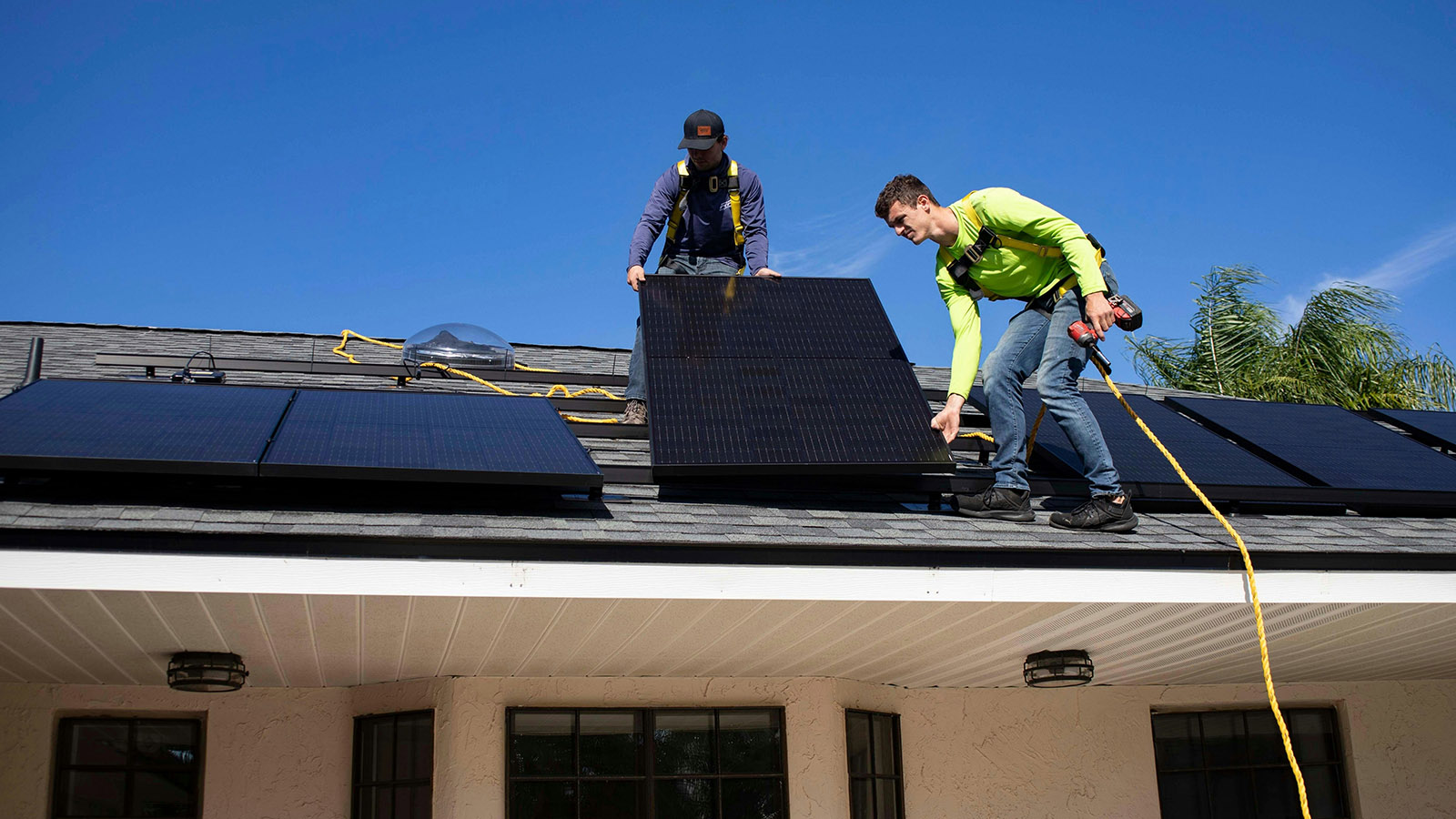
The solar energy sector is experiencing unprecedented growth, with over 7.1 million jobs in solar PV alone as of 2023. For professionals considering a career shift into renewable energy, solar offers pathways across R&D, manufacturing, project development, and operations.
